








British exporters are facing a £6billion blow after President Donald Trump imposed a new 10 per cent tariff linked to Greenland.
Manufacturers of vehicles, pharmaceuticals and industrial equipment are expected to be among the hardest hit, with economists warning the escalation could raise the risk of a UK recession.
European allies released a joint statement on Sunday afternoon stating that "tariff threats undermine transatlantic relations and risk a dangerous downward spiral."
The levy was announced as part of Mr Trump’s campaign to pressure Denmark into selling Greenland to the United States.
The move threatens to unravel gains secured through the UK‑US trade agreement agreed last year.
TRENDING
Stories
Videos
Your Say
Although higher prices would initially fall on American consumers, analysts warn demand for British goods could drop sharply.
Exporters may be forced to absorb the costs by cutting prices or reducing profit margins.
The pharmaceutical sector is seen as particularly exposed, with medicines having previously benefited from exemptions under the trade deal.
Marco Forgione, director‑general of the Institute of Export and International Trade, said the tariff would rapidly erode the competitiveness of British products.
“The impact for the UK will be huge, particularly at a time when we are struggling with very anaemic growth,” he said.
Prolonged tariffs, he added, “could potentially be enough to tip the UK into recession.”
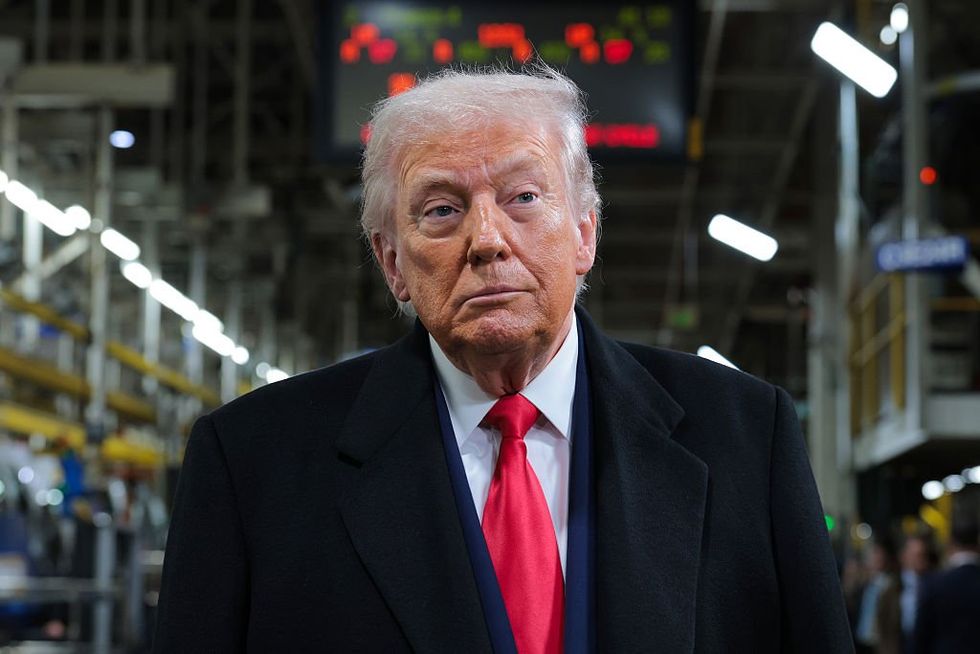
British exporters are facing a £6billion blow after President Donald Trump imposed a new 10 per cent tariff linked to Greenland
|GETTY
Economists have also highlighted uncertainty as a major concern, warning that unclear trade policy can deter investment.
Neil Shearing, group chief economist at Capital Economics, said extended tariffs could freeze business spending at a time when capital expenditure is already weak.
He described the move as coercive and a sharp escalation in trade tensions.
Britain’s automotive industry is also expected to feel the strain. The sector contributes £21billion a year to the UK economy and employs around 139,000 people.
Jaguar Land Rover has already experienced volatility linked to earlier US tariff measures, reporting a 49 per cent fall in profits in the three months to last June.
The company said there was a “direct and material impact on profitability and cashflow in the period.”
LATEST DEVELOPMENTS
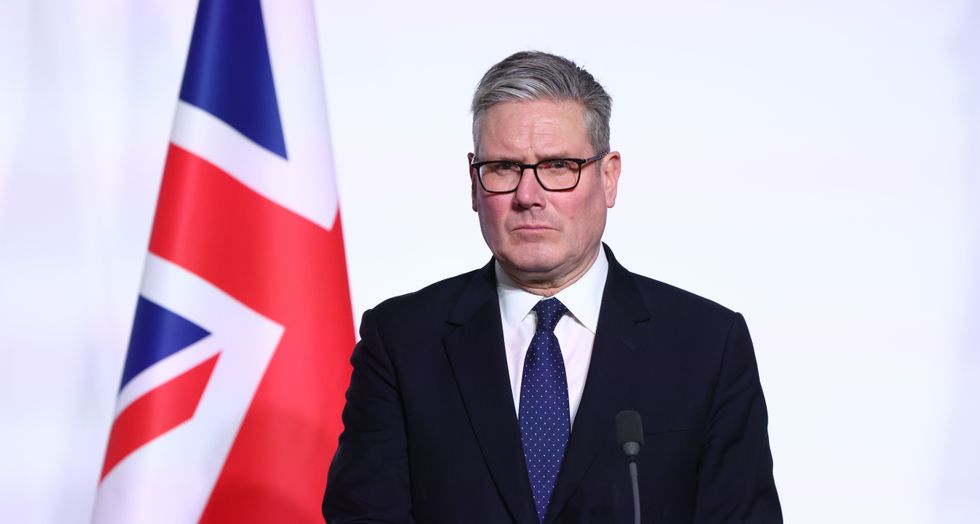
The Prime Minister has said Greenland is for the Danish and Greenlanders to decide their own future
| GETTYThe UK‑US trade agreement had reduced the company’s export tariff from 27.5 per cent to 10 per cent, but those gains are now at risk.
Pharmaceutical manufacturers could face even greater exposure.
The sector is valued at £17.6billion a year and accounts for around 17 per cent of UK business research and development spending.
Medicines had previously been fully exempt from US tariffs.
Mr Trump has warned the situation could escalate further.
Tariffs are set to rise to 25 per cent on June 1 unless Denmark agrees to sell Greenland.
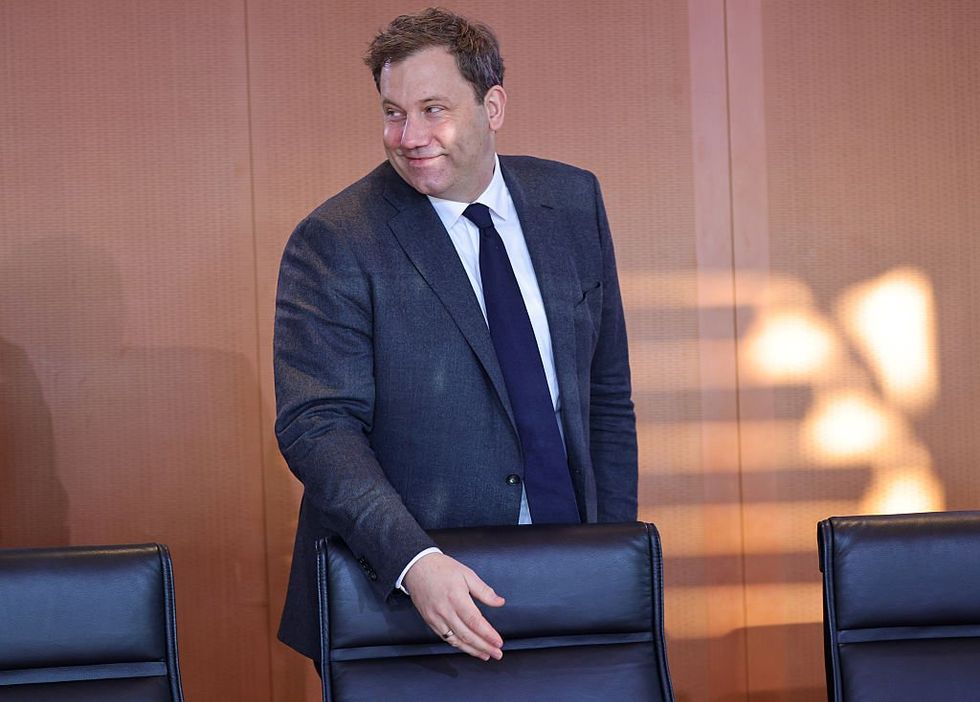
Germany's Federal Minister of Finance Lars Klingbeil has said "we won't be blackmailed" by tariffs
|GETTY
He said the higher levy would remain in place “until such time as a Deal is reached for the Complete and Total purchase of Greenland.”
European Union Council president Antonio Costa said the bloc would respond firmly, suggesting the dispute is unlikely to be resolved quickly.
William Bain, head of trade policy at the British Chambers of Commerce (BCC), urged a calm response from the UK Government.
He said ministers should prioritise implementing the Economic Prosperity Deal while negotiating to remove the tariffs, warning that prolonged uncertainty would damage business confidence.
More From GB News