










Nasa has scrapped plans for astronauts to touch down on the lunar surface during the Artemis III mission, the space agency's administrator has confirmed.
Jared Isaacman, who was recently confirmed in the role, revealed that the mission will instead concentrate on equipment trials whilst orbiting Earth at relatively close range.
The launch is now anticipated for mid-2027, with crews set to practise spacecraft docking procedures and evaluate new spacesuit designs developed by Axiom Space.
Mr Isaacman stated that proceeding directly from an orbital flyby to a landing attempt was never "the right pathway forward" for the programme.
The decision follows a string of mechanical setbacks that have beset the programme in recent months.
Artemis II, designed to carry four astronauts on a ten-day lunar flyby without landing, has experienced repeated postponements.
Engineers discovered a blockage in the helium flow system within the Space Launch System rocket's upper stage during testing, prompting the vehicle to be returned to its hangar for repairs.
The mission had been scheduled for early March but is now unlikely to lift off before April at the earliest.
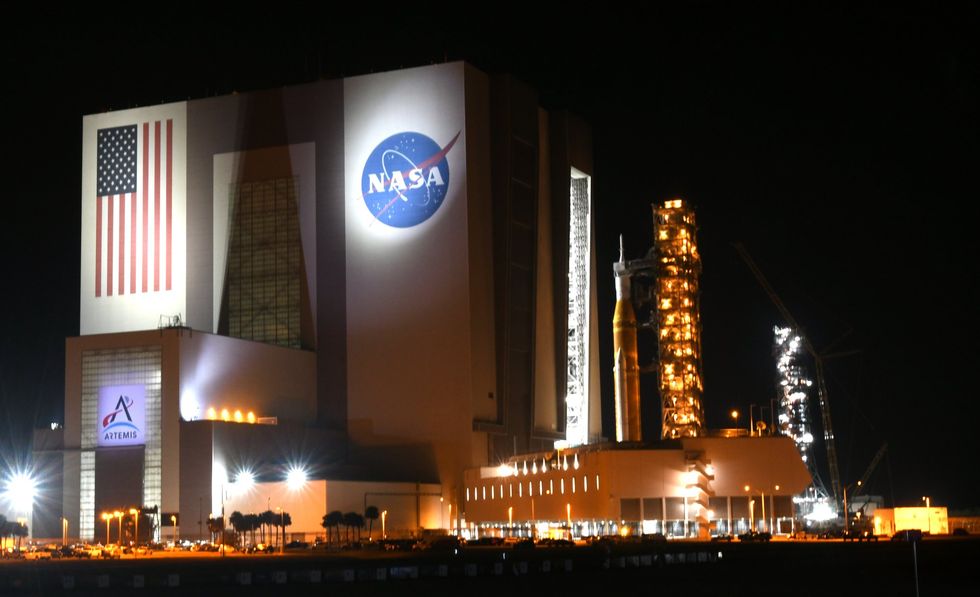
Nasa has scrapped plans for astronauts to touch down on the lunar surface during the Artemis III mission
|GETTY
Previous tests also uncovered leaks of supercooled hydrogen fuel, adding to the catalogue of technical difficulties plaguing Nasa's flagship exploration programme.
The crewed lunar landing has now been rescheduled for Artemis IV, tentatively planned for 2028, with a potential second landing mission, Artemis V, possibly following in the same year.
Mr Isaacman characterised the restructured approach as a return to fundamental principles, drawing parallels with the methodical progression that preceded Apollo 11's historic touchdown in 1969.
Nasa Associate Administrator Amit Kshatriya echoed this sentiment, stating: "We are looking back to the wisdom of the folks that designed Apollo.
LATEST DEVELOPMENTS
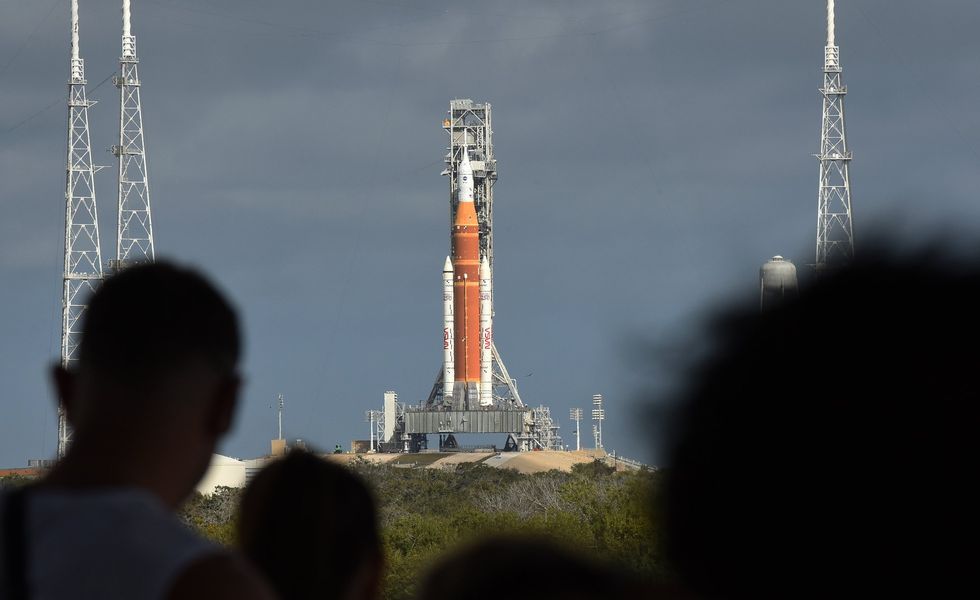
A landing attempt was deemed 'the right pathway forward' for the programme
| GETTY“The entire sequence of Artemis flights needs to represent a step-by-step buildup of capability, with each step bringing us closer to our ability to perform the landing missions."
The announcement has drawn sharp criticism from both the public and space industry figures.
Former Nasa administrator Lori Garver wrote on X: "The focus on Artemis spin over substance has been troubling since its inception.
“However, expressing confidence that we can add a flight in between & make two lunar landings in 2028 is more magical thinking."
The Artemis II mission will last 10-days, where the crew will test life support, navigation and communication systems to make sure they function correctly in deep space.
The capsule will enter Earth's high orbit, where the astronauts will take manual control of the Orion spacecraft.
Control will subsequently be transferred back to Nasa's Johnson Space Center in Houston, Texas.
Crew will then spend four days orbiting the Moon, travelling roughly 4,600 miles beyond its far side
Our Standards: The GB News Editorial Charter