









Renters living in taxpayer-subsidised London social housing properties worth millions will be spared Rachel Reeves’s so-called "mansion tax".
The Chancellor confirmed in the Budget last week that privately owned properties valued above £2million will face an average charge of £4,500 a year from April 2028.
However, those living in social housing will be exempt from the levy, according to government documents published on Wednesday, which state: "Social housing will not be in scope."
A Treasury source later reiterated that residents of high-value social homes will not be required to pay the extra charge.
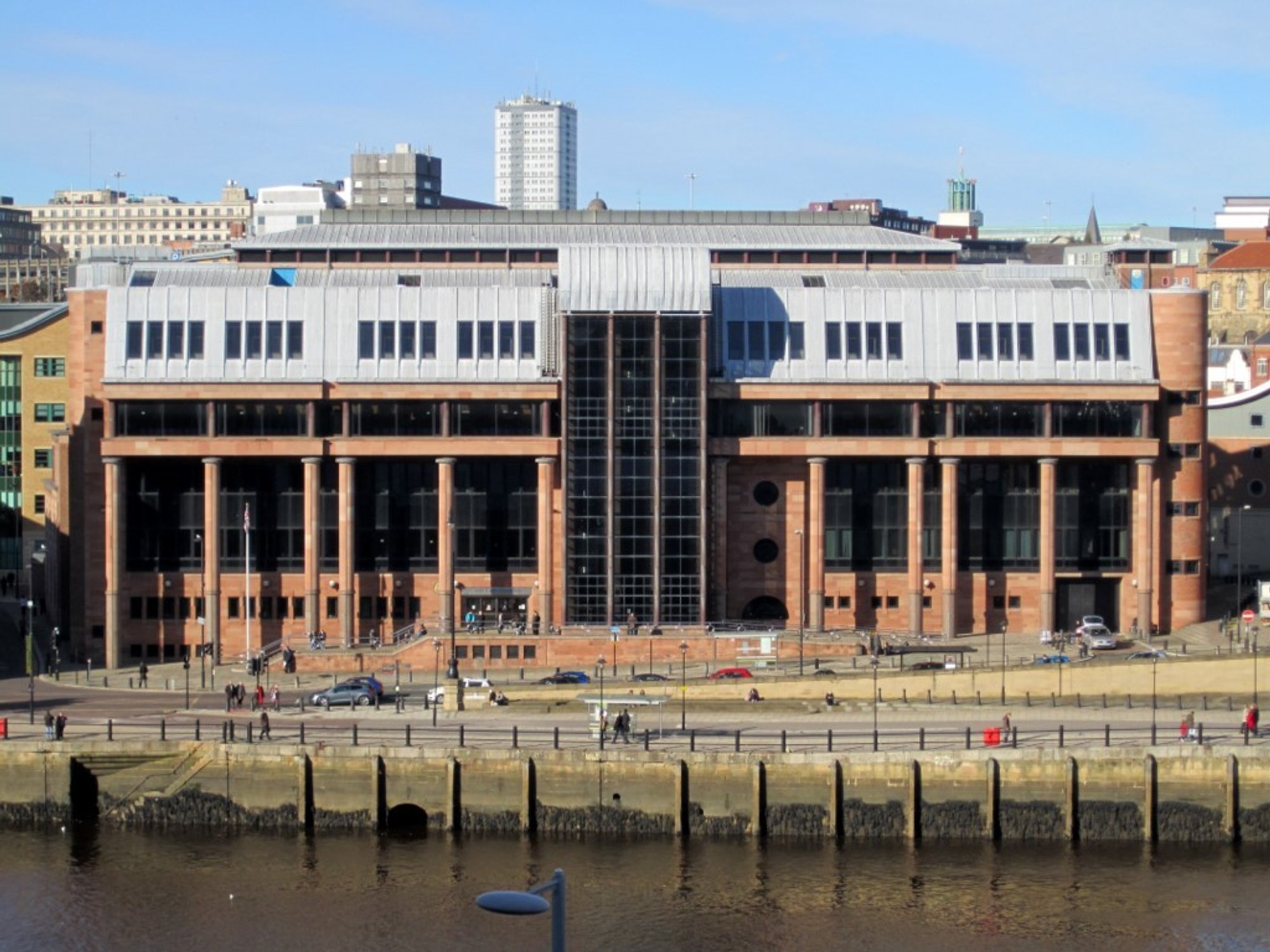
Across England there were more than 110 social housing homes worth more than £2million, which could therefore attract the mansion tax, a Telegraph analysis of property sales data and EPC ratings found.
The analysis revealed that the City of London and Westminster constituency contains the highest concentration of these valuable social homes, with 23 properties identified above the £2million mark.
Hampstead and Highgate follows with 15 such properties, whilst the vast majority of these high-value council homes are concentrated within London boundaries.
Only two social housing properties outside London are valued above the mansion tax threshold, with both located in Surrey and Buckinghamshire, according to Land Registry data.
The figures underline how London’s property boom has pushed even council-owned homes into million-pound price brackets, creating a sharp contrast between social housing tenants who will avoid the charge and private homeowners who will have to pay it.
The mansion tax will work as a council tax surcharge, with the money going to central government rather than local councils.
Property owners will pay between £2,500 a year for homes worth £2million to £2.5million, rising to £7,500 a year for properties valued above £5million.
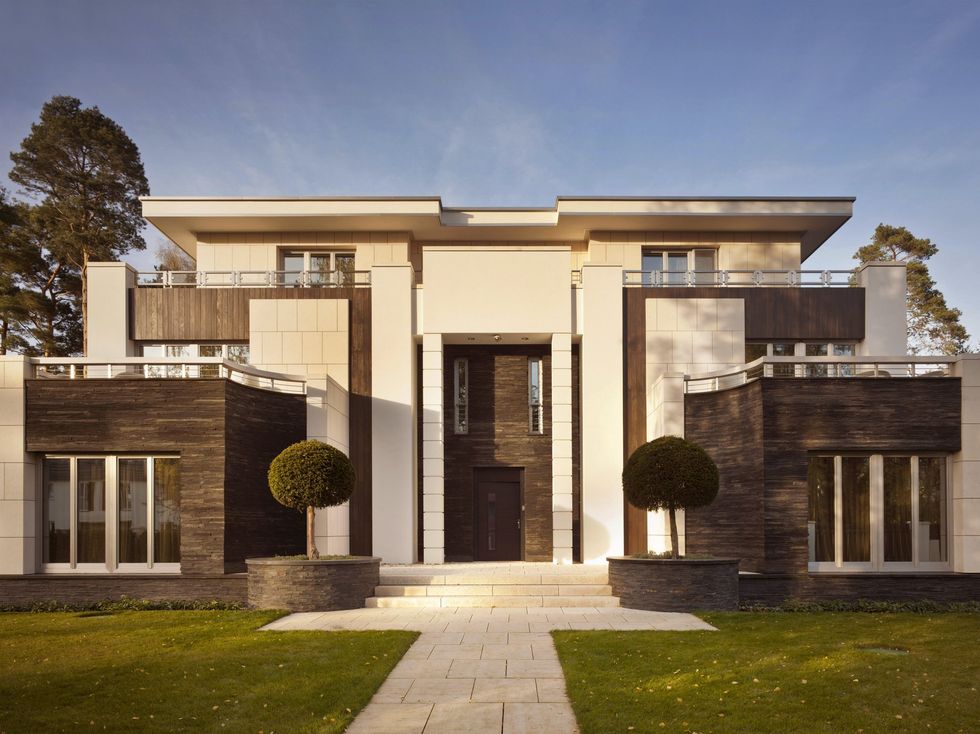 The mansion tax has been labelled as inconsistent | GETTY
The bill will increase each year with inflation, and properties in council tax bands F to H will be revalued before the tax begins.
Although the levy falls on property owners rather than the people living in the homes, the exemption for social housing creates a two-tier system where identical properties are taxed differently depending on who owns them.
The policy forms part of broader Budget measures that will push the tax burden to post-war highs, raising £400 million for the Treasury.
Conservative shadow housing minister James Cleverly condemned the exemption as "an attack on aspiration and on people who have worked hard and saved hard, who will now have to pay for those who don't work at all."
LATEST DEVELOPMENTS:
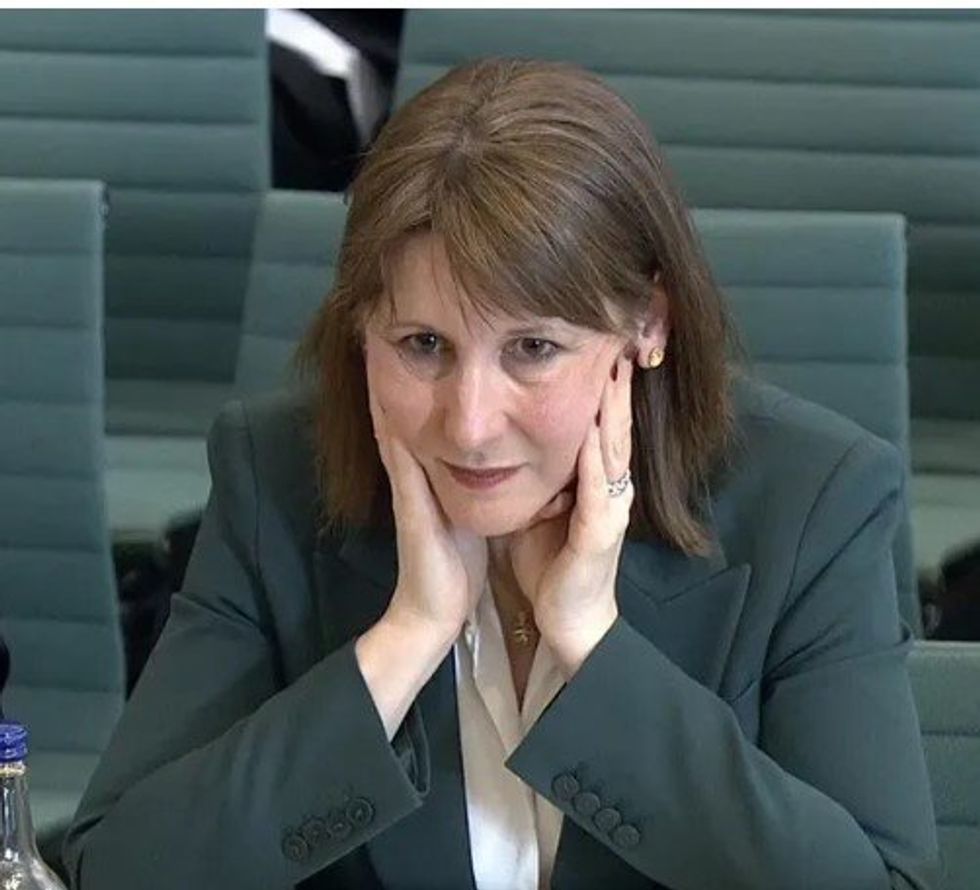
Rachel Reeves delivered the budget on November 26
| GB NEWSHe argued that the policy allows "people living in expensive properties on the taxpayer's dime" to "dodge the new charge" whilst ordinary families bear the burden.
Mr Cleverly highlighted that Labour had abandoned Conservative proposals for income testing in social housing and plans to sell high-value council properties to fund new social homes.
"And now Labour are taxing hard-working people to pay for homes they describe as mansions," he added, pointing to the contradiction in the government's approach to property taxation.
The English Housing Survey reveals that over 128,000 social housing tenants, representing 3.2 per cent of renters from local authorities and housing associations, earned above £71,344 last year.
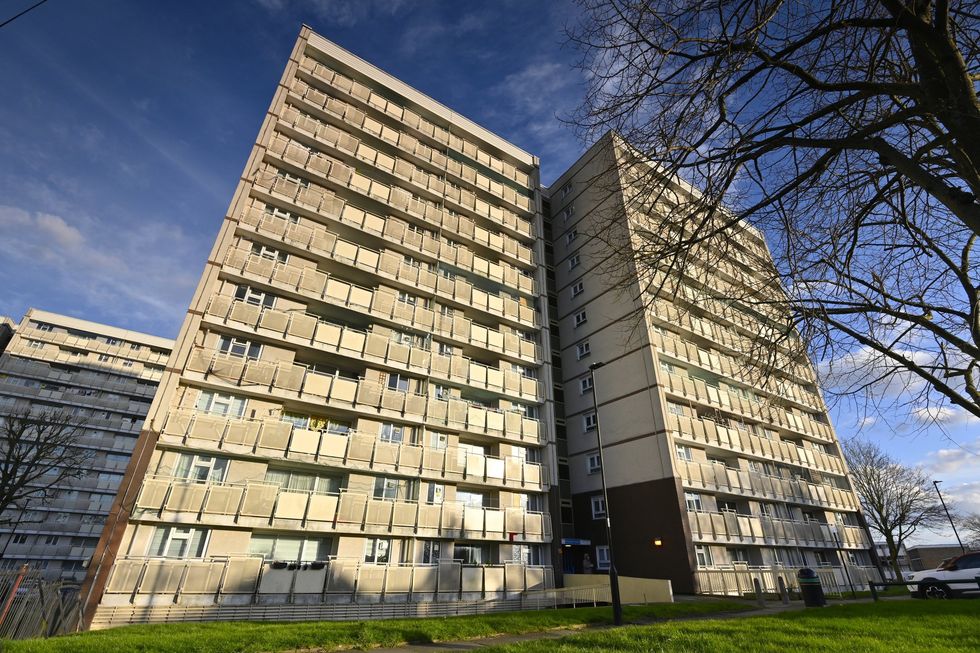
Average social rents in London stand at £151 weekly, approximately £600 monthly, compared to private rental averages of £2,265 according to ONS data
|GETTY
Average social rents in London stand at £151 weekly, approximately £600 monthly, compared to private rental averages of £2,265 according to ONS data.
Westminster council recently reinstated lifetime tenancies for all tenants following a 12-month introductory period, with 78 per cent of new council lettings offering accommodation for life.
John O'Connell, chief executive of the Taxpayers' Alliance, argued that "nobody should be socially housed in a property worth more than £2million," noting that "millions of families working extremely hard to cover the mortgage and rent of properties at a fraction of that cost."
He criticised the Chancellor for "providing these residents with a get-out clause from her nasty mansion tax policy."
More From GB News