






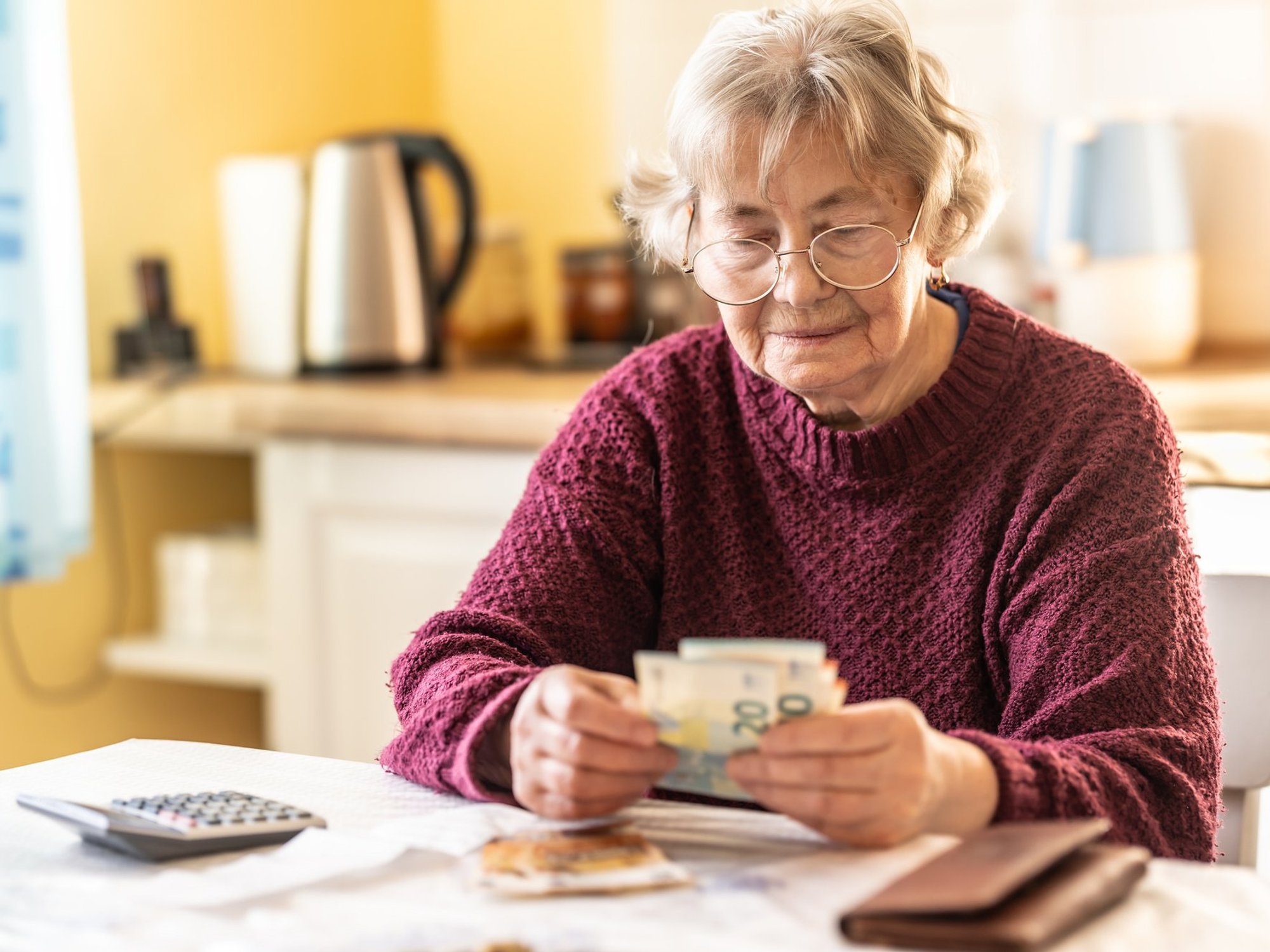


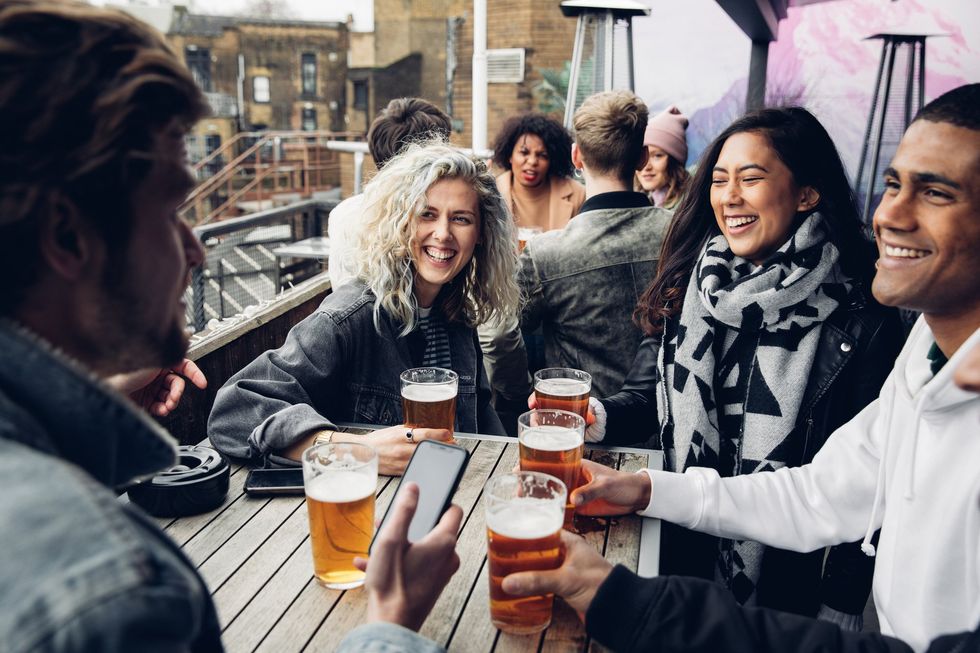
The cost of a pint of beer has hit £10 in Britain for the first time, with taxes and wages blamed.
A number of high-end bars within London have charged the high prices, or even more, for draught and bottled beer.
At Stanley's Rooftop bar in Mayfair, attached to the Chesterfield Hotel, is charging £11 for a pint of Moretti or Heineken.
A half goes for £8, with a Guinness sold for £10 a pint.
A 33cl bottle, slightly larger than half a pint, Noam lager, Curios IPA or non-alcoholic Lucky Saint goes for £10,50 at Connaught in London's Mayfair.
For those avoiding alcohol, a 250ml glass of fresh fruit juice still costs as much as £13 and a bottle of still water $10.50 at the luxury hotel.
While £10 pints have not yet taken hold in the majority of the capital's pubs, inflation, rising taxes, and increasing red tape has been blamed for a potential increase.
Pints which cost as much as £7 are commonplace in London, with some pubs charging as much as £9, but the average nationwide remains at £5, according to the British Beer and Pub Association.
The Campaign for Real Ale (Camra) said £10 pints in London were unsurprising and were caused by "extreme financial pressure" from the Government.
Ash Corbett-Collins, Camra’s chairman, told The Telegraph: "It's not surprising pint prices are rising across London and the UK, but our pubs and breweries should not be blamed. Extreme financial pressures from the Government are forcing publicans to either raise their prices or consider closing for good.
"The Government must recognise pubs for the essential wellbeing benefits their community spaces provide, and their essential contributions to the economy.
"They must recognise increased employer National Insurance contributions are adding to cost pressures, commit to a fairer business rates system, lower VAT on food and drink for hospitality businesses as well as alcohol duties so publicans can keep their doors open and pub-going becomes affordable again."
LATEST DEVELOPMENTS:
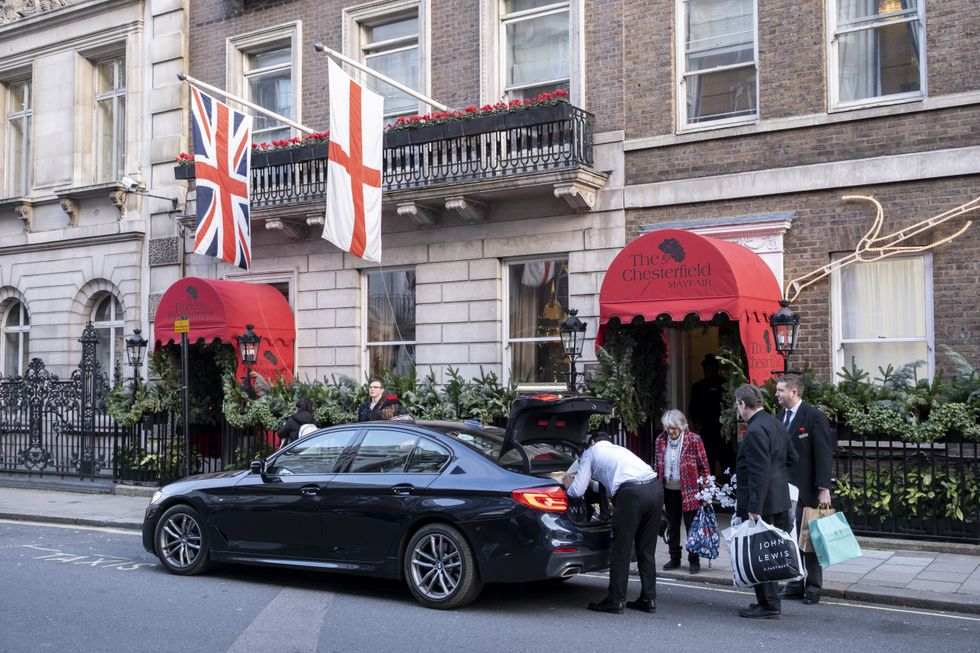
Stanley's Rooftop Bar in Mayfair is charging £11 for a pint of Moretti or Heineken
|GETTY
Earlier this year, Rachel Reeves reversed on plans to increase business rates for pubs, instead introducing a 15 per cent cut to new business rate bills from April and a two-year real-terms freeze.
But publicans have said their businesses are still struggling, citing reasons such as increases to minimum wage for younger workers.
In March, a publican in Ms Reeves' constituency of Leeds West and Pudsey told GB News it had "banned" the Chancellor from his establishment due to her insufficient support.
Emma McClarkin, chief executive of the British Beer and Pub Association, said: "No publican wants to make a pint unaffordable but, with the sector grappling with such high regulatory costs and a disproportionate tax burden, the average pub makes wafer-thin profits.
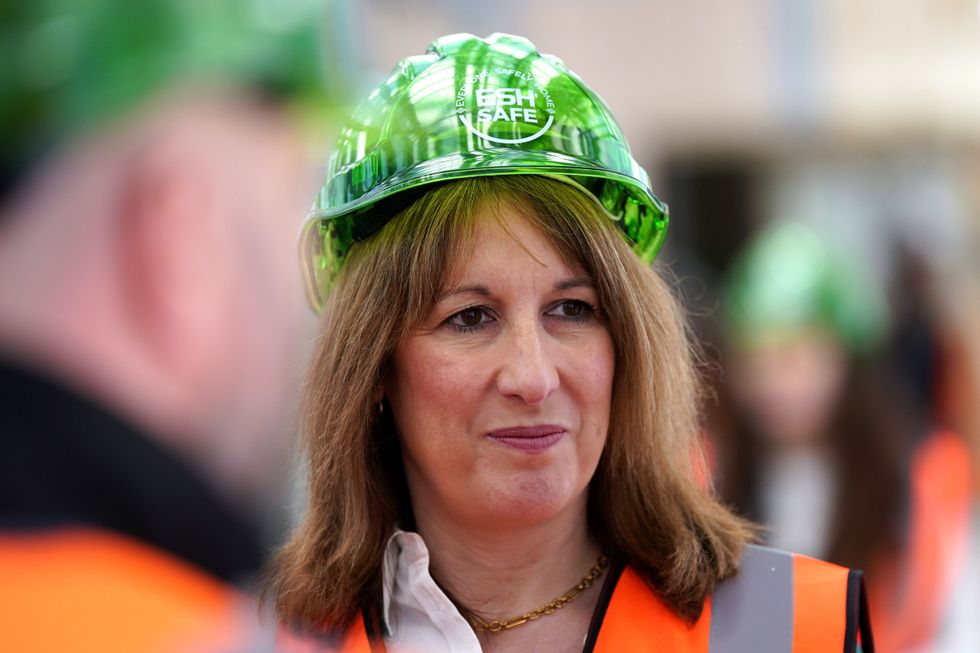
Rachel Reeves has been banned from pubs within her own constituency due to the Government's insufficient support for pubs, a local publican said
|GETTY
"The Government’s vital business rates relief for pubs was incredibly welcome, and now we want to work with them on a long-term plan to back our pubs so we can keep the lid on the price of a pint, keep people in jobs, and remain as the heart and soul of our communities."
Earlier this year, it was reported that more than 2,000 pubs, restaurants and hotels, were at risk of being closed down this year.
A Government spokesman said: "We have the right economic plan – we’re reforming business rates to back hospitality, with a £4.3billion support package to limit bill rises, alongside capping corporation tax at 25 per cent, cutting red tape and taking action on the cost of living to boost the sector.
"Increasing the National Minimum Wage boosts pay for over 200,000 young workers, and employer NICs are lower when hiring under‑21s."