









Contactless card limits could be lifted from the current £100 limit for millions of Britons next year but analysts are sounding the alarm over two major "risks" that will come with this move.
From March 2026, banks and payment providers will gain the authority to determine their own contactless payment thresholds under new Financial Conduct Authority (FCA) regulations, ending the uniform cap that currently applies across the industry.
The existing £100 ceiling, introduced as consumer habits shifted during the pandemic, replaced what had been a £30 maximum as recently as 2021.
Under the forthcoming framework, financial institutions will have discretion over the limits they impose, while customers will also be empowered to establish their own preferred thresholds or disable tap-to-pay functionality entirely.

What are the 'risks' of contactless payments?
|GETTY
The regulatory shift acknowledges that contactless transactions now represent the overwhelming majority of in-store card payments, with most shoppers defaulting to this method for everyday purchases.
Laura Suter, the director of personal finance at AJ Bell, highlighted both the advantages and potential pitfalls of the regulatory change.
"Contactless has become the default way people pay, with the vast majority of in-store card transactions now done with a tap," she said.
"This change reflects the fact that the majority of us default to paying by contactless, and gives firms the flexibility to match how people actually spend their money day to day."
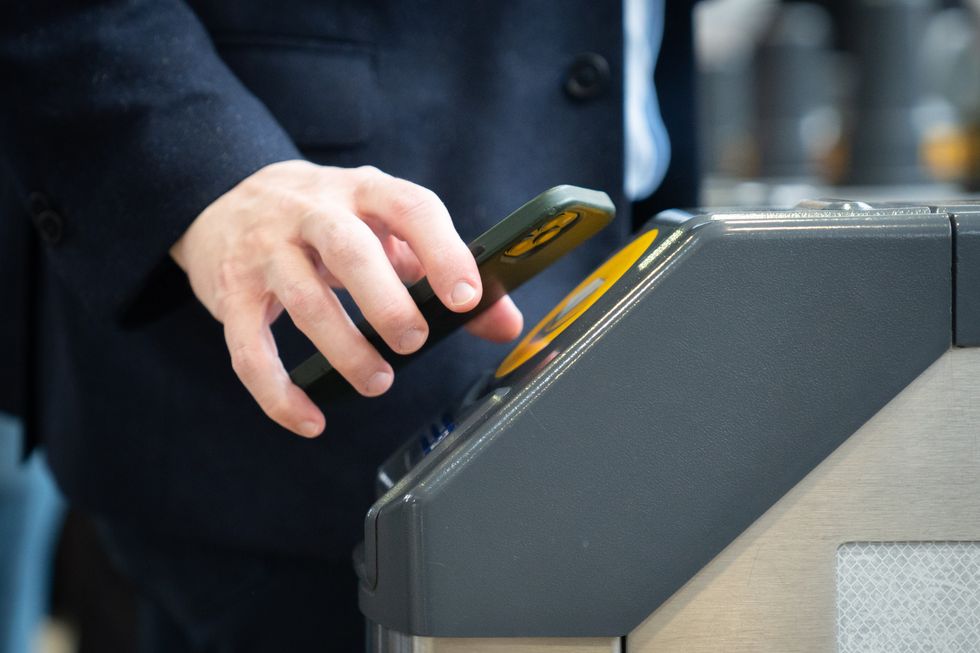 Contactless has become the norm | PA
However, Ms Suter identified two significant "risks" that come with this latest deregulatory move from the FCA.
"First, if your card is lost or stolen, higher contactless limits are a paradise for thieves, who could rapidly rack up huge spending before the card is blocked," she warned.
The second risk relates to personal budgeting, with frictionless payments potentially encouraging overspending, particularly among those managing existing debts.
Despite the elevated fraud risks, it should be noted that cnsumers retain important safeguards under the new regime.
Ms Suter emphasised that individual choices made by consumers remains central to the new system, when changes are implemented in March 2026.
"Being able to set your own limits, or turn contactless off altogether, gives people more control, whether that's to protect themselves from fraud or simply to help stick to a budget," she said.
With the changes not taking effect until March, payment providers have several months to determine what flexibility they will extend to customers.
Ms Suter stressed that banks bear responsibility for transparently communicating available options and explaining how customers can implement controls if they prefer not to accept unlimited contactless thresholds.

The FCA has loosened contactless payment rules
| PANicola Morgan, financial services expert at confused.com, offered practical guidance for consumers navigating the new landscape.
"But it's important to balance convenience with security," she said. "Contactless payments don't require a PIN, which means they're easy to use, but that also means it's vital to manage your own settings carefully."
Ms Morgan recommended verifying what fraud protections your bank provides and how swiftly refunds would be processed.
She also suggested opting for mobile wallet payments through Apple Pay or Google Pay, which incorporate biometric authentication such as fingerprint or facial recognition for added security. Research from confused.com indicates that 35 per cent of UK adults already use these platforms for routine spending.
More From GB News