









Hundreds of BBC News staff are expected to learn within days whether their roles are at risk as the broadcaster begins a major cost‑cutting programme that could ultimately result in around 2,000 job losses across the corporation.
The news division is expected to be the first area affected as the BBC seeks to reduce spending by hundreds of millions of pounds.
Sources familiar with the plans said an announcement is likely next week, with several radio programmes reportedly among those facing potential cuts.
The corporation employs more than 20,000 staff, with news teams accounting for roughly a quarter of the workforce.
The annual licence fee recently rose to £180.
However, the BBC reports both higher evasion and a growing number of households declaring they no longer watch live television.
Licence fee evasion now stands at 12.52 per cent, while 3.6 million households say they do not need a licence.
The combined loss stands at more than £1billion, with the number of licences declining from 26.2 million in 2017 to around 23.8 million in 2026.
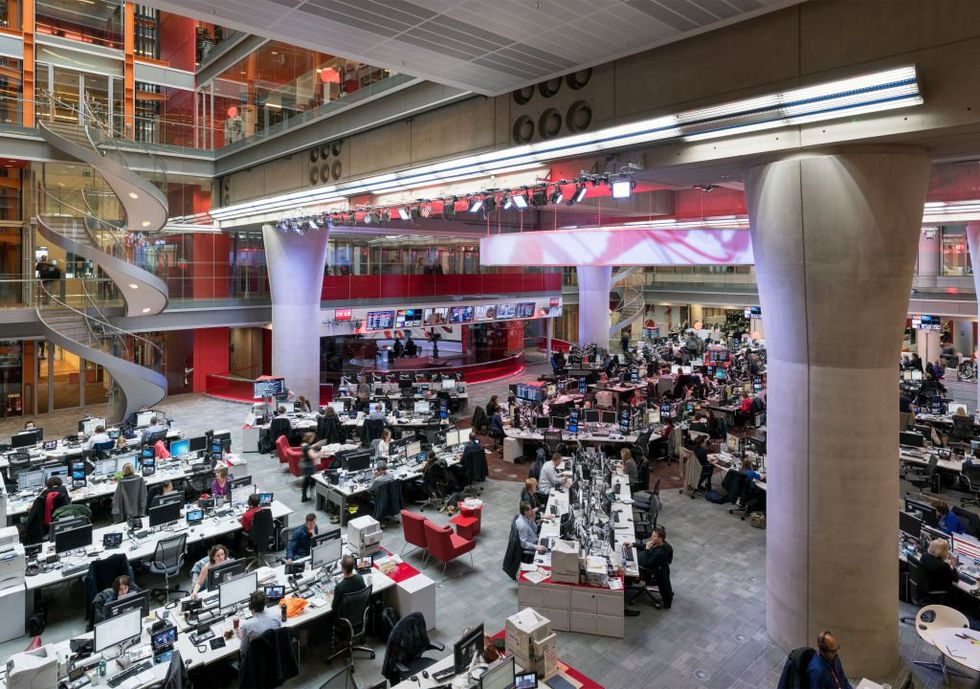
BBC News faces hundreds of redundancies as corporation targets 2,000 job cuts
|GETTY
Audiences are expected to notice the impact across television, radio and digital output, with the news division given a larger savings target than most other departments.
While many parts of the organisation have been asked to cut spending by around 10 per cent, news operations have reportedly been instructed to find closer to 15 per cent.
Richard Burgess, director of news and content, discussed the plans during a staff briefing attended by around 300 employees.
The BBC spent £324million on news and current affairs in the year to March 2025, with salaries making up a significant share of the budget.
As a result, job reductions are expected to form a major part of the savings.
“Most of our savings are people, frankly,” Mr Burgess told staff.
He said the 15 per cent target applied to overall expenditure, though staffing costs remain the largest element.
Mr Burgess added that some parts of the BBC are less able to make savings, increasing pressure on divisions such as news.
“Across news, that 15 per cent figure is fairly consistent in most areas,” he said.
LATEST DEVELOPMENTS
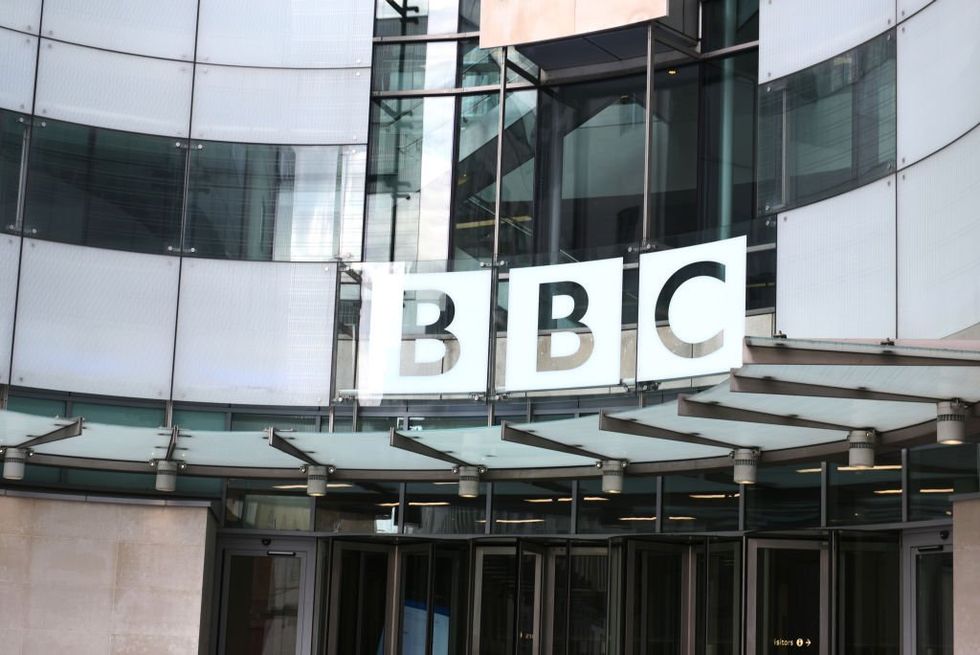
Staff were told that much of the savings were to be found in cutting jobs
|GETTY
Staff involved in location‑based broadcasting believe mobile journalism technology could increasingly replace traditional satellite trucks and support crews.
Some radio employees are also concerned that locally produced programmes may be merged into wider network broadcasts during periods of lower audience demand.
The restructuring comes shortly after Matt Brittin took over as director‑general following his appointment in May.
Mr Brittin, who previously held senior roles at Google, has acknowledged that difficult decisions will be required as the BBC seeks to improve its financial position.
Staff feedback has urged management to avoid repeated cuts across multiple teams in ways that increase workloads for those who remain.
Alongside reducing costs, the BBC is seeking to invest in future growth areas, including further development of the iPlayer streaming service and expanding content on YouTube to attract younger audiences.
The corporation’s long‑term funding model also remains under discussion.
Ministers are continuing negotiations over the future of the licence fee, with officials reportedly examining whether any future arrangement could extend charges to cover private streaming services such as Netflix.
Our Standards: The GB News Editorial Charter