








Classic car owners have been given fresh guidance on whether their vehicles qualify for MOT exemption under the UK's 40-year rule.
The Department for Transport has updated advice explaining which historic vehicles can legally skip the annual test across England, Scotland and Wales.
Under the rules, cars, motorcycles and other vehicles built or first registered more than 40 years ago can be classed as a vehicle of historic interest. If they qualify, owners do not have to take them for an annual MOT.
However, the exemption only applies if the vehicle has not been substantially changed from its original design over the years.
Owners must formally declare the status when taxing the vehicle and confirm that it meets the criteria.
The Government guidance states: "Vehicles that have been substantially changed in the previous 30 years are not considered vehicles of historic interest and therefore cannot be MOT exempt."
So-called "substantial changes" include the chassis or monocoque bodyshell, axles and running gear, and the engine.
If any of these have been altered in a way that significantly changes how the vehicle works, the car will usually no longer qualify for the exemption.
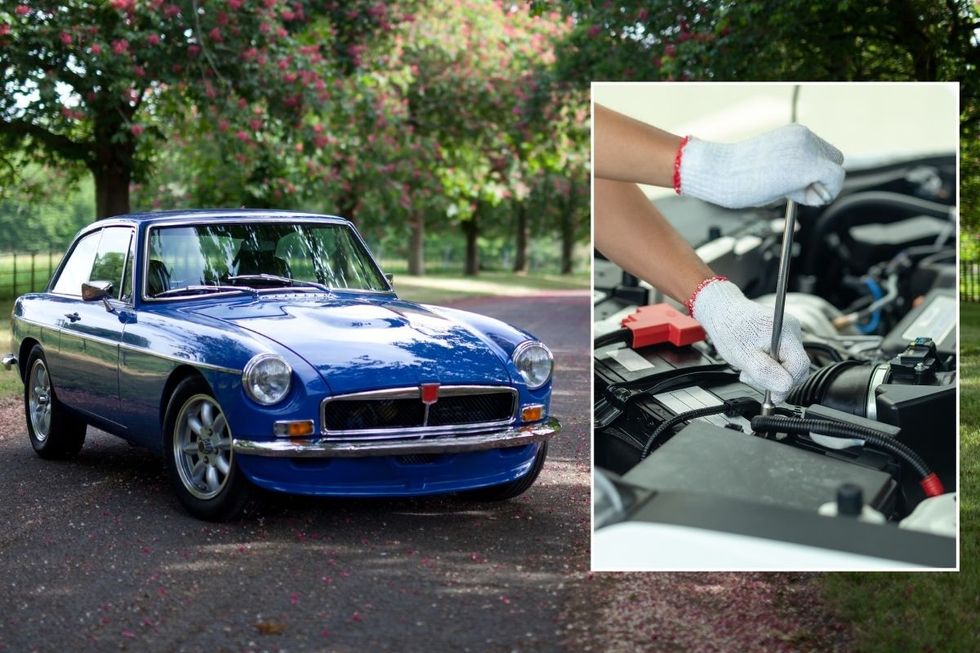 Classic cars are currently not obligated to get an MOT test under UK rules | GETTY
For example, replacing the chassis or swapping the engine for one that fundamentally changes the vehicle's performance could count as a substantial modification.
The Department for Transport explains: "An alteration is considered substantial if the technical characteristics of the main components have changed in the previous 30 years."
Drivers who are unsure about their vehicle's history should check the full Government guidance or seek expert advice before declaring it exempt. But not every modification will affect eligibility.
Changes that were commonly made during the vehicle's original production period - or within 10 years of it being built - are still allowed.
LATEST DEVELOPMENTS
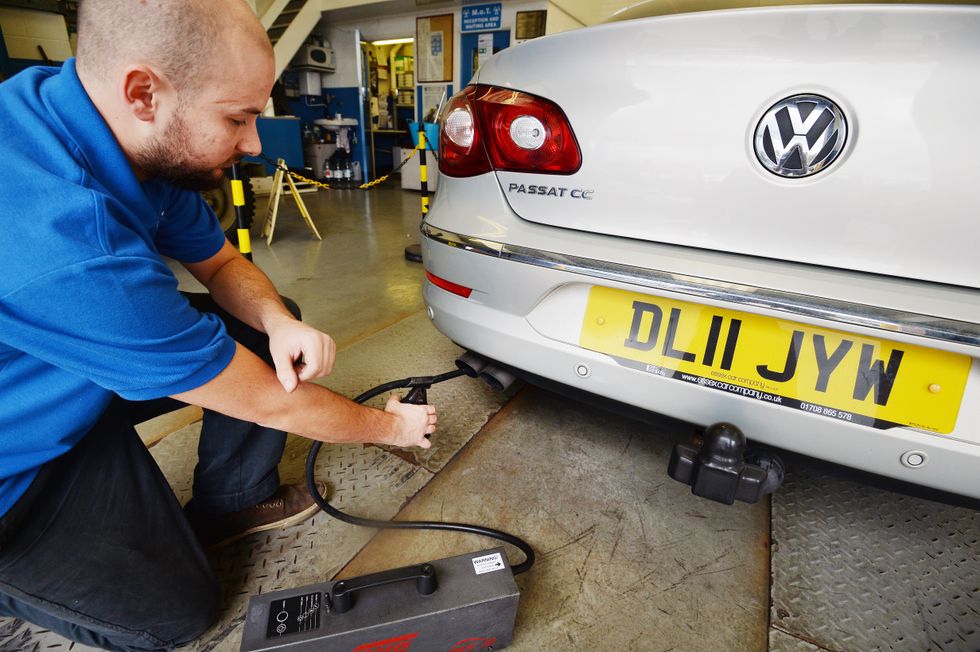
The Department for Transport unveiled new updates on how classic cars can be treated for MOTs
| PACommercial vehicles can also keep their exemption if the modifications reflect normal changes made during their working lives.
Owners are also allowed to carry out some upgrades if original parts are no longer available, such as fitting alternative axles or running gear if the change improves safety, efficiency or environmental performance.
Engine swaps may also be acceptable in certain cases, including installing another version of the same engine family or a different engine that was originally offered by the manufacturer.
However, switching to an engine with a different number of cylinders is usually seen as non-original. Some vehicles are automatically excluded from the exemption regardless of age.
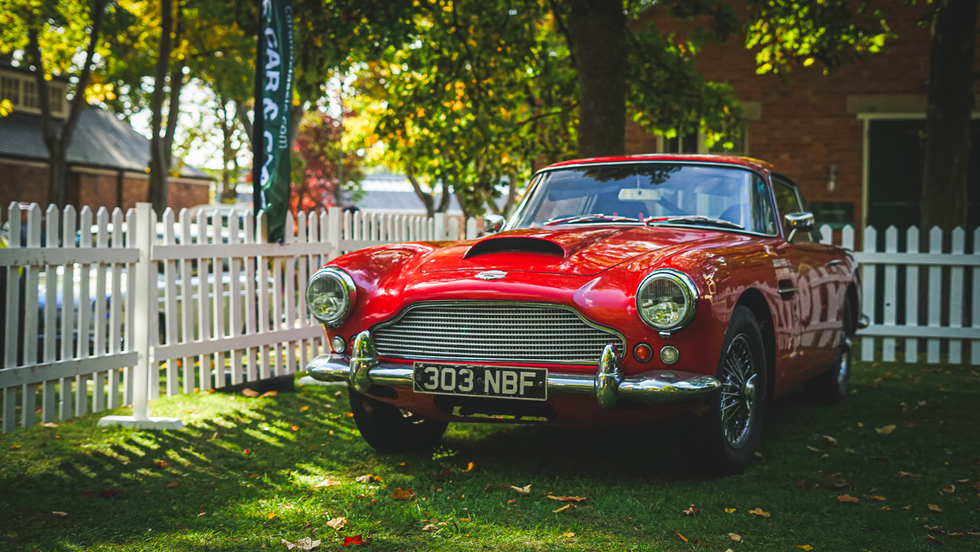 Historic vehicles do not have to pay car tax if they were built more than 40 years ago | CAR AND CLASSIC
Cars with a Q-prefix registration must still undergo an annual MOT. Kit cars built from parts taken from different vehicles are also not eligible.
The Federation of British Historic Vehicle Clubs keeps a directory of experts who can help determine whether a vehicle qualifies.
Motorists caught using a vehicle in a dangerous condition can face fines of up to £2,500 and three penalty points on their licence.
From April 1, 2026, vehicles first registered in 1986 will qualify for the historic vehicle tax class as they reach the 40-year threshold.