






Pushing oneself to the limit in the gym may actually be counterproductive for those seeking to shed abdominal fat, sometimes even triggering the opposite of the desired effect.
According to human performance scientist Dr Mark Kovacs, when the body lacks sufficient recovery time between demanding sessions, it interprets this as a threat and activates the hypothalamic-pituitary-adrenal axis.
"The key mechanism here is the chronic elevation of stress hormones, particularly cortisol," Dr Kovacs told GB News. This promotes fat accumulation around the midsection rather than burning it away.
The abdominal region proves particularly susceptible to this hormonal disruption because it contains a greater concentration of glucocorticoid receptors than other areas of the body.

The abdominal region is particularly susceptible to hormonal disruption
|GETTY
Dr Kovacs explains the damage extends beyond cortisol alone. Excessive high-intensity training interferes with sleep quality and throws appetite-regulating hormones such as leptin and ghrelin out of balance.
This hormonal chaos increases cravings for calorie-dense foods, creating what amounts to a perfect storm for weight gain.
The combination of disrupted hormones, inadequate rest, and compensatory eating habits produces conditions where fat loss stalls or even reverses, despite considerable effort in training.
Dr Kovacs identifies several frequent errors made by those attempting to lose weight through combined diet and exercise approaches.
Chief among these is pairing severe calorie restriction with ramped-up training intensity, which the body perceives as threatening and responds to by slowing metabolism and reducing daily movement.
Many people also neglect lower-intensity Zone 2 aerobic exercise, which builds the foundation for efficient fat burning.
LATEST DEVELOPMENTS
Inadequate protein consumption leads to muscle loss, further hampering metabolic rate.
Poor recovery practices, including insufficient sleep and lack of rest days, compound these problems.
Perhaps most insidiously, people often unconsciously eat more or move less following intense sessions, undermining their efforts entirely.
For sustainable results, Dr Kovacs advocates the 80/20 principle, whereby roughly 70 to 80 per cent of training volume remains at low-to-moderate intensity, with only 20 to 30 per cent devoted to high-intensity work.
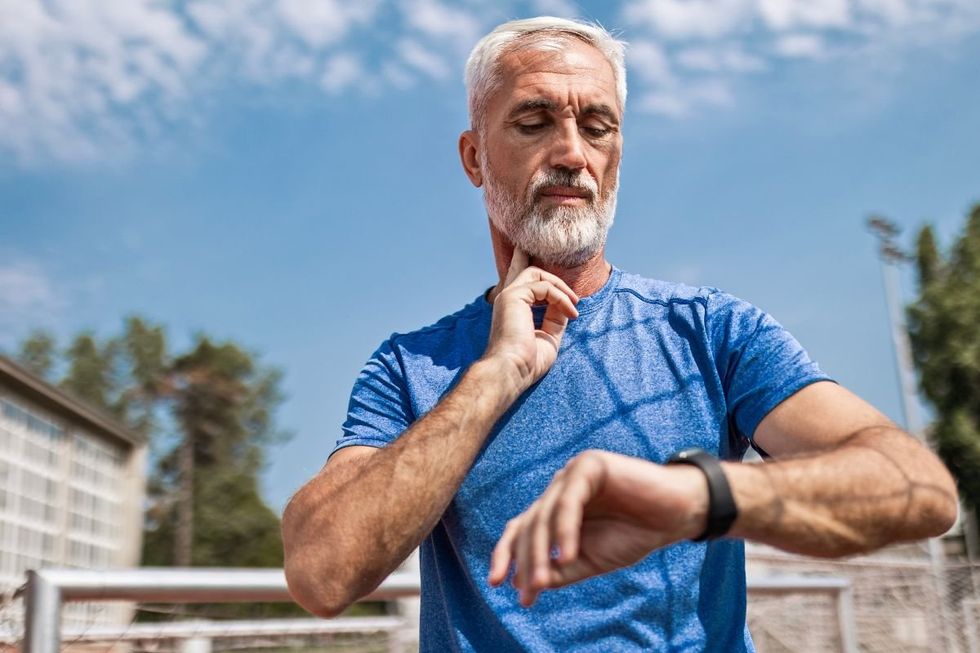
Successful fat loss depends upon hormonal balance and long-term adherence
|GETTY
This distribution enhances the body's capacity to burn fat whilst minimising excessive stress hormone exposure.
A modest calorie deficit of 300 to 500 calories daily proves sufficient, paired with protein intake of approximately 1.6 to 2.2 grams per kilogram of body weight.
Sleep of seven to nine hours nightly must be treated as essential rather than optional.
Ultimately, successful fat loss depends upon hormonal balance and long-term adherence, not simply calories in versus calories out.
Our Standards: The GB News Editorial Charter