










Nutritionists and fitness fanatics have been waxing lyrical about the importance of a protein-rich diet - but how much do we need? And when?
According to Isabelle Spellissy, registered dietitian at Innermost, the typical adult requires approximately 0.75 grams of protein for every kilogram of body weight per day.
Individual circumstances completely determine individual needs, however. Naturally, a sedentary individual will need significantly less than someone who maintains an active lifestyle, and here’s why.
Higher protein levels play a central role in muscle health and recovery processes, according to Isabelle.
TRENDING
Stories
Videos
Your Say
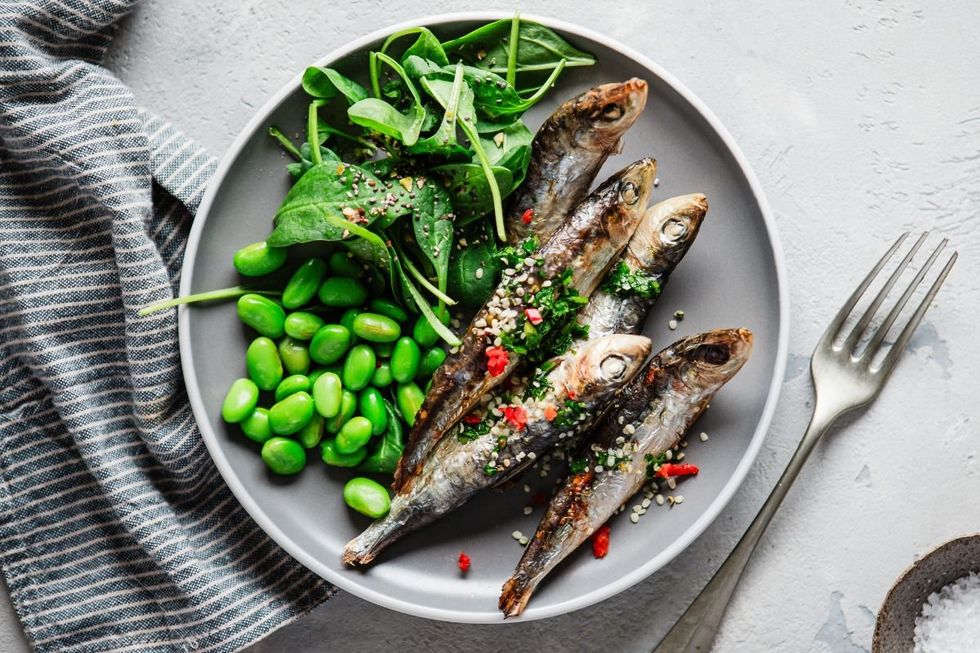
An active individual should be looking to incorporate protein at every meal
|GETTY
This is why an active individual should be looking to incorporate protein at every meal. But the type and timing of protein intake also matter.
The best sources to draw your protein from, according to Isabelle, are lean meats, eggs, legumes and dairy products.
People who move the most should be looking to consume between 1.2 and 2 grams of protein per kilogram of body weight.
This holds for those trying to shed weight, too.
“Protein is your best friend for weight loss because it helps you feel full longer, reduces cravings and boosts your metabolism,” Isabelle told GB News.
“Plus, it protects muscle while you lose fat, keeping you strong and toned. To make the most of it, spread your protein intake throughout the day - think eggs for breakfast, grilled chicken at lunch and a protein-rich snack in the evening.”
LATEST DEVELOPMENTS:
When asked if there’s an optimal time to have protein, the dietitian confirmed that “timing matters!”
“For muscle recovery, have protein within an hour after exercise. To stay energised and full, include it in every meal,” Isabelle said.
“And if you want to support muscle repair overnight, a snack like Greek yoghurt or cottage cheese before bed works wonders.”
She also advises avoiding alcohol or excessive fibre before a high-protein meal, as they “can interfere with absorption”.
Can you have too much protein?
The dietitian says yes, but insists that for the majority of people, this is not a common concern.
“Your body can handle extra protein, but too much - especially from processed meats - can strain your kidneys or cause digestive issues,” Isabelle explained.

'Protein is your best friend for weight loss'
|GETTY
As is the case with most things in life, balance is key.
Isabelle advised: “Stick to whole, high-quality protein sources like chicken, fish, eggs, beans, nuts and dairy, and consider protein powders as a convenient and versatile way to boost protein intake without excess calories or meal prep.”
Our Standards: The GB News Editorial Charter