








Interior design can be one of the most powerful tools for increasing the value of your home when it’s done well. Thoughtful choices in layout, colour, and finish can make spaces feel larger, brighter, and more desirable to potential buyers.
However, poor design decisions or overly personal styles can just as easily deter interest and reduce perceived value.
Striking the right balance between style and broad appeal is key. With a considered approach, your interiors can become a genuine asset rather than a liability. Great design isn’t about following trends; it’s about creating spaces that feel effortless, functional, and timeless.
When done right, it not only enhances how you live but also how others perceive your home. Here are my five top tips for adopting changes which are most likely to have a positive impact on the value of your property.
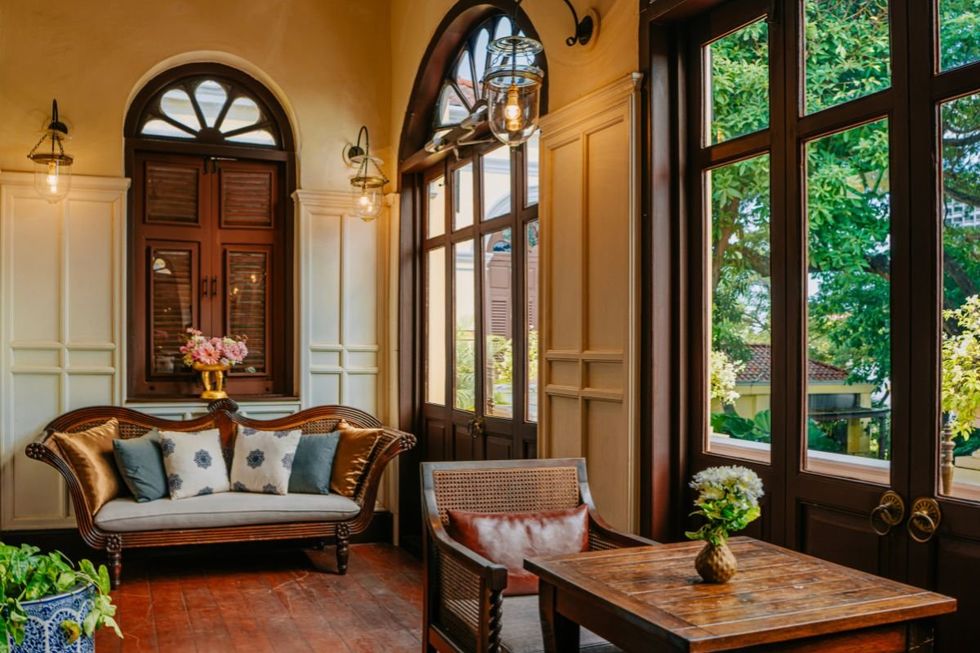
'A well-lit home instantly feels more spacious and inviting'
|GETTY
1. I always start with a neutral foundation
When I’m designing a space with value in mind, I begin with a neutral palette. Soft whites, warm greys, and muted beiges create a clean canvas that appeals to a wide audience.
While bold colours can be fun, they often limit a buyer’s ability to imagine themselves in the space. A neutral base doesn’t mean boring; it allows texture, materials, and subtle accents to shine without overwhelming the room.
2. I prioritise lighting at every level
Lighting is one of the most overlooked elements in a home, yet it has a huge impact on how a space feels. I always layer lighting, combining ambient, task, and accent lighting, to create warmth and depth.
Natural light is especially valuable, so I avoid heavy window treatments and instead opt for sheer fabrics or well-fitted blinds. A well-lit home instantly feels more spacious and inviting.
LATEST DEVELOPMENTS
3. I invest in quality where it matters most
You don’t need to spend a fortune everywhere, but there are certain areas where quality makes a noticeable difference. I focus on kitchens, bathrooms, and flooring; these are the spaces buyers scrutinise most closely.
Durable worktops, well-finished cabinetry, and solid flooring signal that a home has been cared for. Even small upgrades, like replacing tired handles or taps, can elevate the overall impression.
4. I keep layouts practical and uncluttered
Functionality is just as important as aesthetics. I always assess how a space flows and remove anything that disrupts it. Bulky furniture, awkward layouts, or overcrowded rooms can make a home feel smaller than it is.
By choosing appropriately scaled furniture and allowing for clear pathways, I ensure each room feels open and easy to navigate. Buyers are drawn to spaces that feel intuitive and comfortable.
5. I add character, but keep it subtle
Personality is important, but it needs to be carefully curated. I like to introduce character through artwork, soft furnishings, and natural materials rather than permanent features.
Think statement cushions, textured rugs, or a few well-chosen decorative pieces. These elements add warmth and interest without dominating the space.
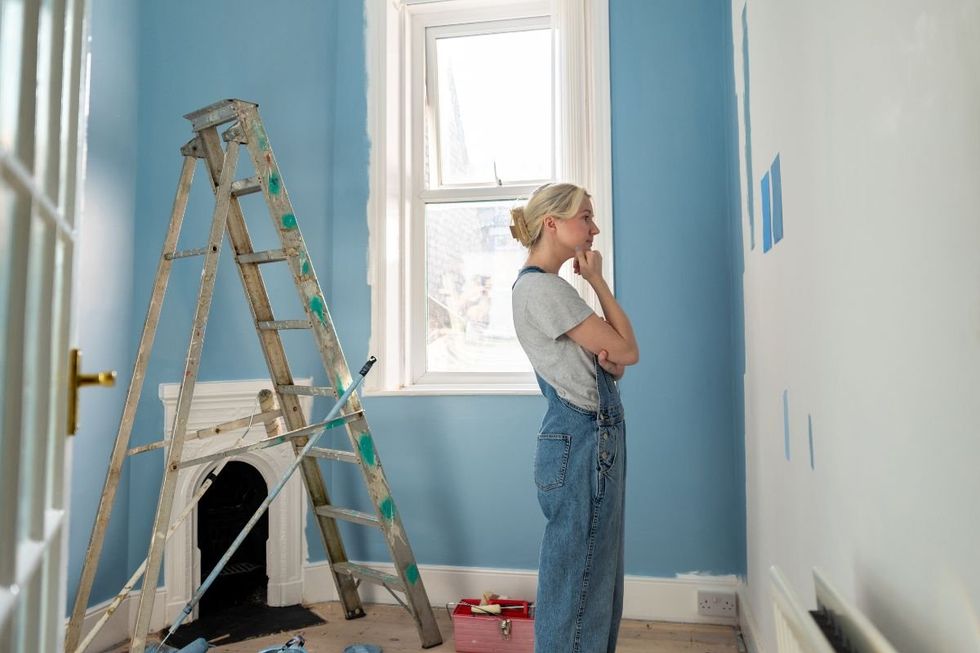
'While bold colours can be fun, they often limit a buyer’s ability to imagine themselves in the space'
|GETTY
The goal is to create a home that feels stylish yet universally appealing. Ultimately, good interior design is about enhancing a property’s strengths while minimising its weaknesses.
By focusing on timeless choices, practical layouts, and quality finishes, you can create a home that not only looks beautiful but also holds strong appeal in the market.
Done thoughtfully, these changes can make a meaningful difference to both your living experience and your home’s overall value.
Our Standards: The GB News Editorial Charter