










When we’re young, many of us dream of owning a big, impressive home. But in older age, thoughts may turn towards something smaller and more practical.
If you are considering doing this, it’s important to keep focus. Start with the why.
Why are you actually doing this? To free up cash, cut costs, be closer to family, ditch the stairs, simplify life?
Pick the important three. That’s your wish list. Ignore it, and you’ll end up buying a lovely home that solves none of your real concerns. And don’t kid yourself on cost.
TRENDING
Stories
Videos
Your Say
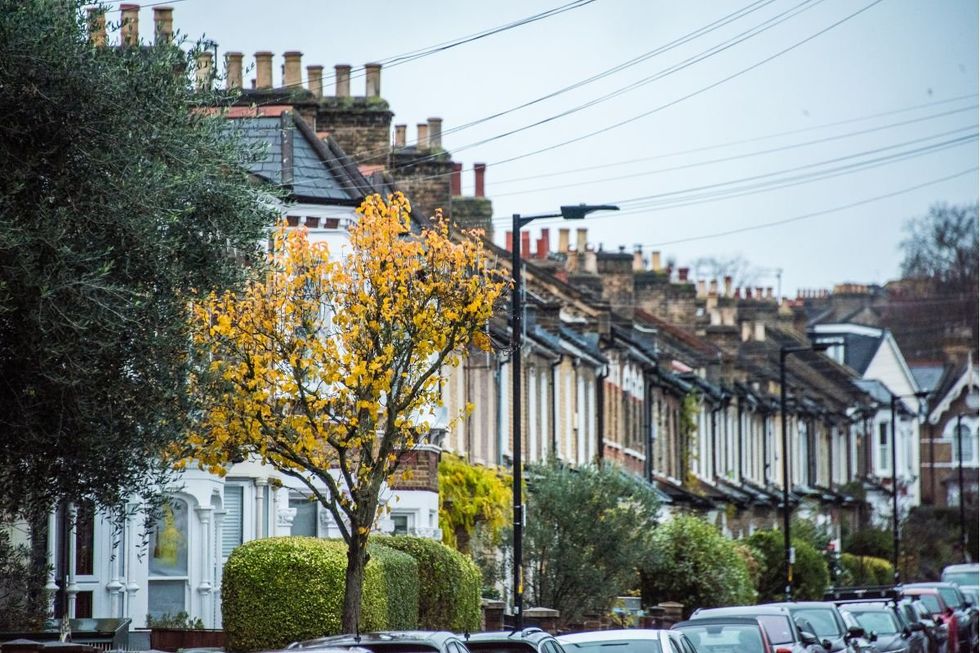
Downsizing doesn’t automatically mean a lot cheaper
|GETTY
Downsizing doesn’t automatically mean a lot cheaper. You might lose the mortgage or expensive Council Tax, but you’ll pick up service charges and ground rent.
Plenty of “cheaper” homes cost more to live in than you’d expect.
The need for storage can often make or break a decision to downsize. This is where most people get it wrong.
Measure your furniture. Decide what actually comes with you. Then check the boring stuff - wardrobes, loft, garage, somewhere for the ironing board and vacuum cleaner, coats, tools, suitcases.
LATEST DEVELOPMENTS
If it doesn’t work, you’ll end up paying for storage or having to dispose of things you’d rather keep. Also, remember to factor in costs.
Selling and re-buying isn’t cheap. On average, the process will cost you about £12,000 and even more if you are above the average UK price.
Many people prefer to remain in their current property and spend more on cleaners, gardeners and repairs rather than pay this large sum out.
Downsizing under pressure can lead to settling for a new home that doesn’t feel quite right.
The people who tend to be happiest are those who planned ahead for it as a carefully considered lifestyle decision.
- Test the lifestyle before committing
If possible, try renting in your target area or property type first. Downsizing isn’t just about square footage; it’s about how your day-to-day life changes. A short trial can reveal things you hadn’t considered, such as noise levels, parking, or community feel.
- Think long-term, not just “right now”
It’s easy to focus on current needs, but consider how things might change in 5–10 years. Will the property still suit you if mobility declines? Is there space for visiting family or carers if needed?
- Check the fine print on leasehold properties
Many downsizers move into flats, which often come with leasehold agreements. Look closely at service charge increases, lease length, restrictions, and management quality. These can significantly impact both cost and resale value.
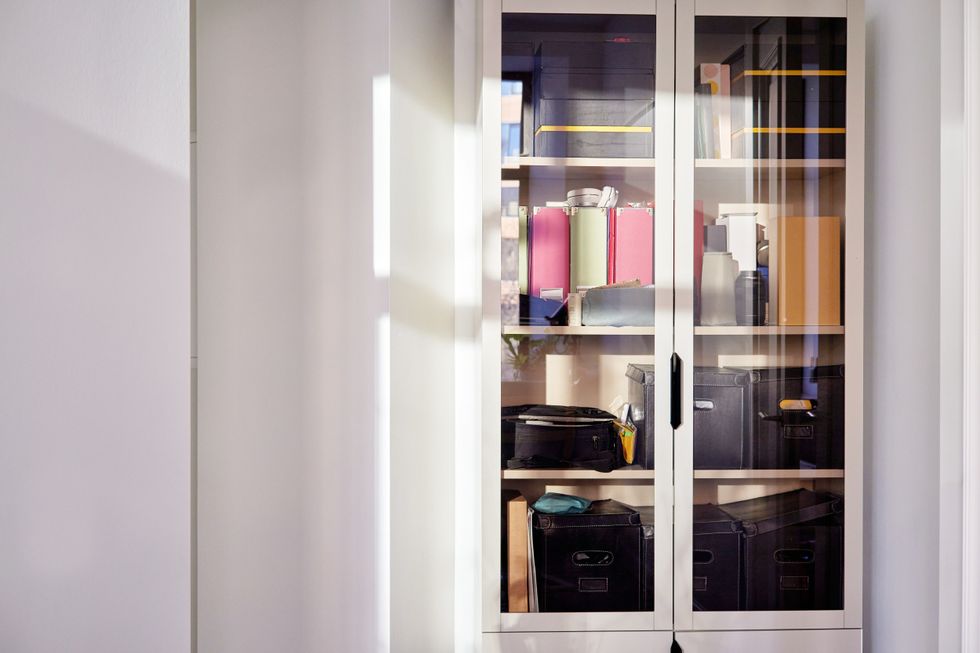
The need for storage can often make or break a decision to downsize
|GETTY
- Declutter early, and realistically
Start sorting possessions months in advance. Be honest about what you actually use. Downsizing works best when you’re proactive, not rushed into decisions about what to keep, sell, or donate.
- Consider resale potential
Even if this feels like your “final move,” circumstances can change. Choose a property that will appeal to future buyers, good location, transport links, and practical layout still matter just as much in smaller homes.
Property expert Jonathan Rolande is the founder of House Buy Fast. For more information, visit www.jonathanrolande.co.uk
Our Standards: The GB News Editorial Charter