






Medical experts have raised fears that Britons self-isolating after the hantavirus outbreak could pass the deadly disease on to rats living in the sewer system.
One outbreak specialist, speaking anonymously to The Telegraph, warned: "I am incredibly concerned that patients who are self-isolating may develop the virus and then pass it on through the sewers and infect sewer rats."
The expert warned in that scenario, "all hell could break loose".
The process, known as reverse zoonosis, refers to humans passing diseases to animals.
Specialists fear that even people who came into contact with infected passengers could potentially contract the disease and, in a worst-case scenario, pass it into Britain’s sewer networks.
The UK’s underground sewer systems are believed to house tens of millions of brown rats, with estimates suggesting between 20 and 50 per cent may already carry the Seoul strain of hantavirus.
The Andes strain linked to the current outbreak has historically been associated with long-tailed pygmy rice rats in Argentina.
Scientists have not yet confirmed whether Britain’s brown rat population could contract this strain.
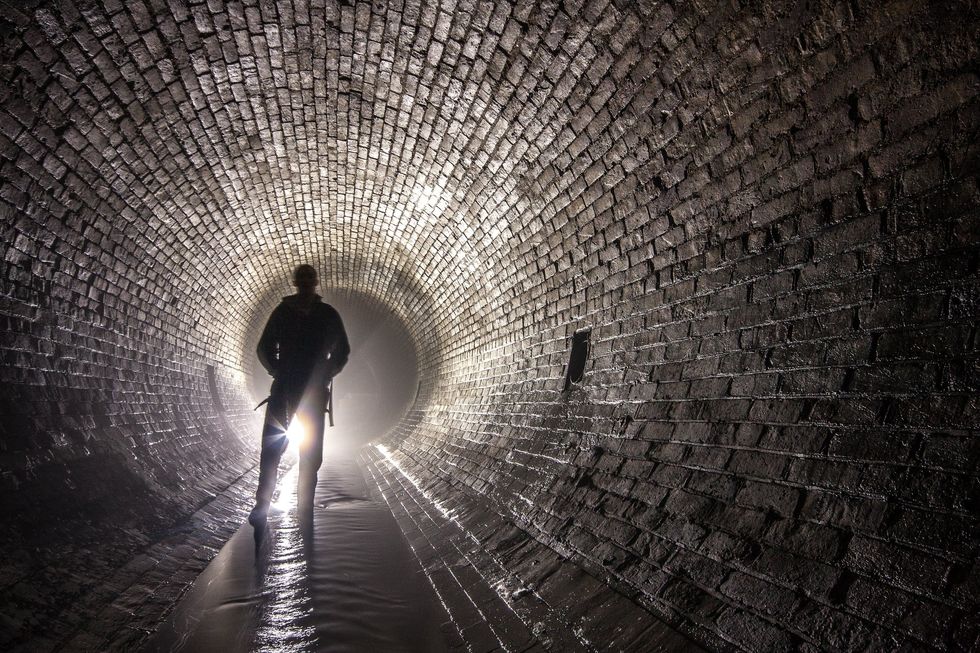
Specialists fear that even people who came into contact with infected passengers could pass it into Britain’s sewer networks
|GETTY
Dr Giulia Gallo, a postdoctoral researcher at the Pirbright Institute in Surrey, said the concerns were understandable but stressed the scientific uncertainty.
"I can see where the concern for reverse zoonosis comes from," she said.
"While I think the risk for reverse zoonosis is low based on evolution studies and related hantaviruses, we do not have the data supporting that statement that it would definitely not happen."
Meanwhile, other experts have downplayed the risk.
HANTAVIRUS - READ THE LATEST:
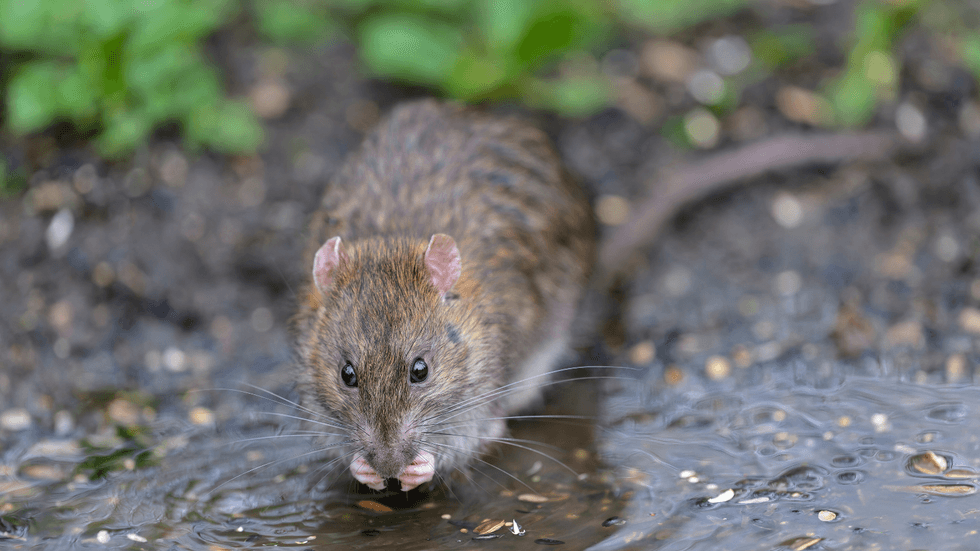
The UK’s underground sewer systems are believed to house tens of millions of brown rats
|GETTY
Professor Michael Marks, an infectious disease specialist at the London School of Hygiene & Tropical Medicine, said: "Based on the existing data this seems very unlikely.
"Overall therefore I think the risk of a reverse zoonosis is extremely low."
Professor Paul Hunter of Norwich Medical School also described the possibility as "not impossible" but highly unlikely.
He added that transmission would require infected humans to directly expose rodents, which would then need to spread it further.
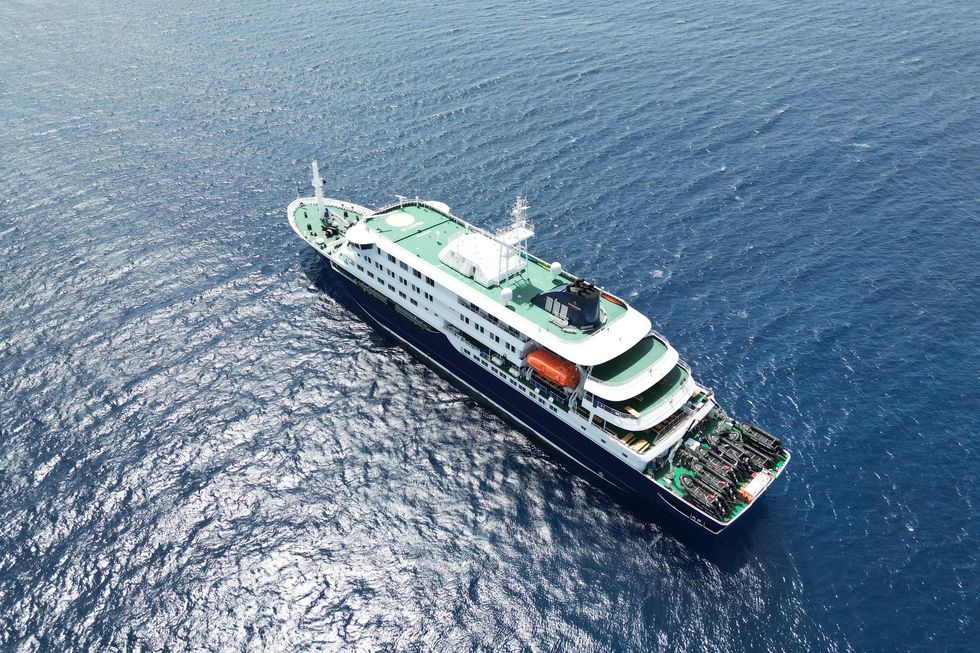
Ten British nationals linked to the MV Hondius outbreak were repatriated in a bid to reduce infection risks
| GETTYIn response to the outbreak, the UK sent a rapid-response mobile laboratory to St Helena on Friday.
Ten British nationals linked to the MV Hondius outbreak were also repatriated in a bid to reduce infection risks.
The UK Health Security Agency confirmed a three-person Public Health Rapid Support Team had been deployed to St Helena and Ascension Island at the request of local authorities.
Fears surrounding the risk posed by Britain's sewer network come as a Canadian national tested positive for the disease - bringing the total number of infections to 11.
Officials in the province of British Columbia said the infected patient is one of four individuals currently isolating on Vancouver Island after leaving the cruise - but is believed to only be exhibiting mild symptoms.
Three people who travelled on MV Hondius have died since the outbreak began.
Our Standards: The GB News Editorial Charter