





As Britain enjoys spells of warm weather with summer fast approaching, skincare specialists are warning that many people are making a crucial error when applying sun protection.
The so-called '30-minute rule' mistake involves failing to put on sunscreen between 15 and 30 minutes before heading outdoors, which can lead to premature ageing and heightened risk of sun damage.
This timing is essential because the product requires adequate time to be absorbed by the skin and function properly.
With Britons preparing to spend more time outside in the coming months, experts are emphasising that correct application technique matters just as much as remembering to use protection at all.
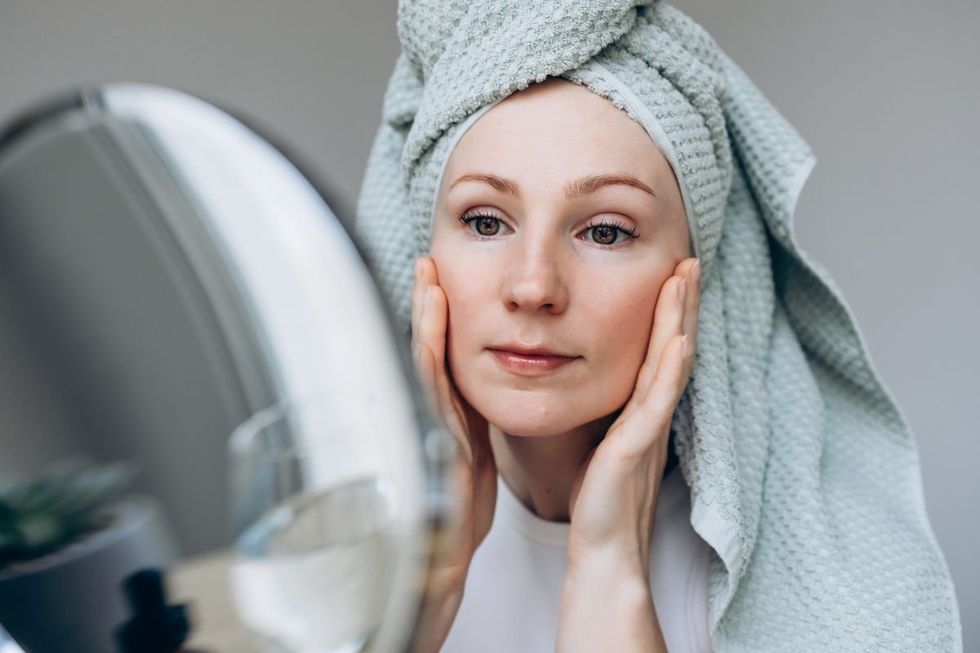
Sunscreen needs enough time to be absorbed by the skin to function properly
|GETTY
When selecting an appropriate sunscreen, dermatologists recommend opting for broad-spectrum formulations rated SPF 30 or above, which shield against both UVA and UVB radiation.
Dr Rina Weimann, a dermatologist with expertise in pigmented skin concerns, advocates for products containing zinc oxide and titanium dioxide as key protective ingredients.
"To maintain that youthful glow at any age and prevent hyperpigmentation, fine wrinkles, and sun spots, daily facial sunscreen use is key," Dr Weimann told GB News.
She suggests lightweight, non-greasy formulas with buildable textures work well across all skin tones, particularly for those prone to breakouts who still require optimal hydration alongside sun defence.
Beyond timing, the method of application also plays a significant role in effectiveness.
Specialists advise dabbing sunscreen onto the skin rather than rubbing it in, as this technique helps prevent irritation while ensuring more even coverage.
Areas frequently overlooked include the ears, hairline, eyelids and back of the neck, all of which require attention when exposed to sunlight.
LATEST DEVELOPMENTS
For those spending extended periods outdoors, reapplication every two hours is essential.
This frequency should increase if swimming or perspiring, as water and sweat can wash away protection more rapidly than many people realise.
Dr Conal Perrett, consultant dermatologist at The Devonshire Clinic, stressed that protecting skin from ultraviolet rays remains paramount regardless of age.
"Starting the right skincare at the right time matters far more than starting early," he advises, challenging the notion that complex routines benefit younger complexions.
The dermatologist has outlined clear guidance on what constitutes appropriate skincare at each stage of childhood and adolescence.
For those aged eleven and under, requirements remain remarkably straightforward: moisturiser for dry or sensitive skin and daily sun protection throughout the entire year.
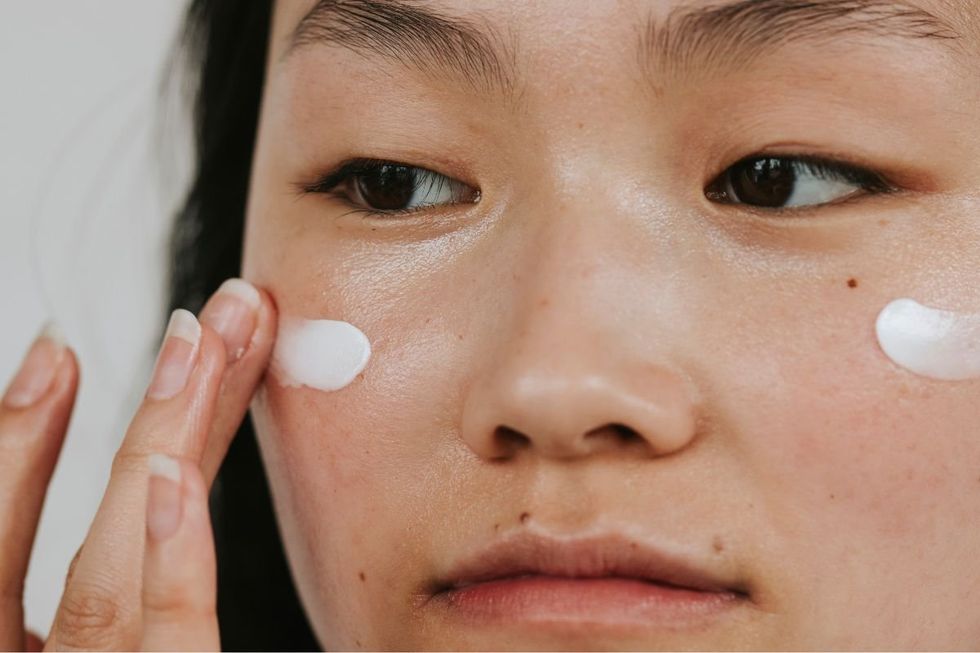
UV damage significantly contributes to premature ageing
|GETTY
"Sun protection is the single most important skincare step at any age. UV damage in childhood significantly contributes to premature ageing and skin cancer risk later in life," Dr Perrett explains.
Experts also urge Britons to verify expiry dates on their sun creams, noting that products typically remain effective for three years from manufacture or twelve months once opened.
Additional precautions include staying out of direct sunlight during peak hours between 11am and 3pm, and maintaining proper hydration throughout the day.
Our Standards: The GB News Editorial Charter