


All products and promotions are independently selected by our experts. To help us provide free impartial advice, we will earn an affiliate commission if you buy something. Click here to learn more








Protein products are everywhere right now - from supermarket shelves lined with high-protein yoghurts, bars and shakes to protein cheeses, bread and even ready meals. Despite the trend, many people are understandably unclear about what protein actually does, how much they should consume and whether it can genuinely help with weight loss.
The macronutrient is vital for building and repairing tissues, regulating bodily functions and supporting muscle growth. While it’s often associated with fitness enthusiasts, getting enough protein can be useful for anyone trying to lose weight or maintain a healthy lifestyle.
Speaking to GB News, research & innovation scientist at better-for-you brand More Nutrition, Dr Melanie Lütkemeyer, explained eating more high-protein food can naturally reduce hunger.
Filling up on these foods can make it easier to eat fewer calories while maintaining muscle, giving dieters a more toned appearance overall, the expert explained.
Shop the latest Protein Powder range from MORE
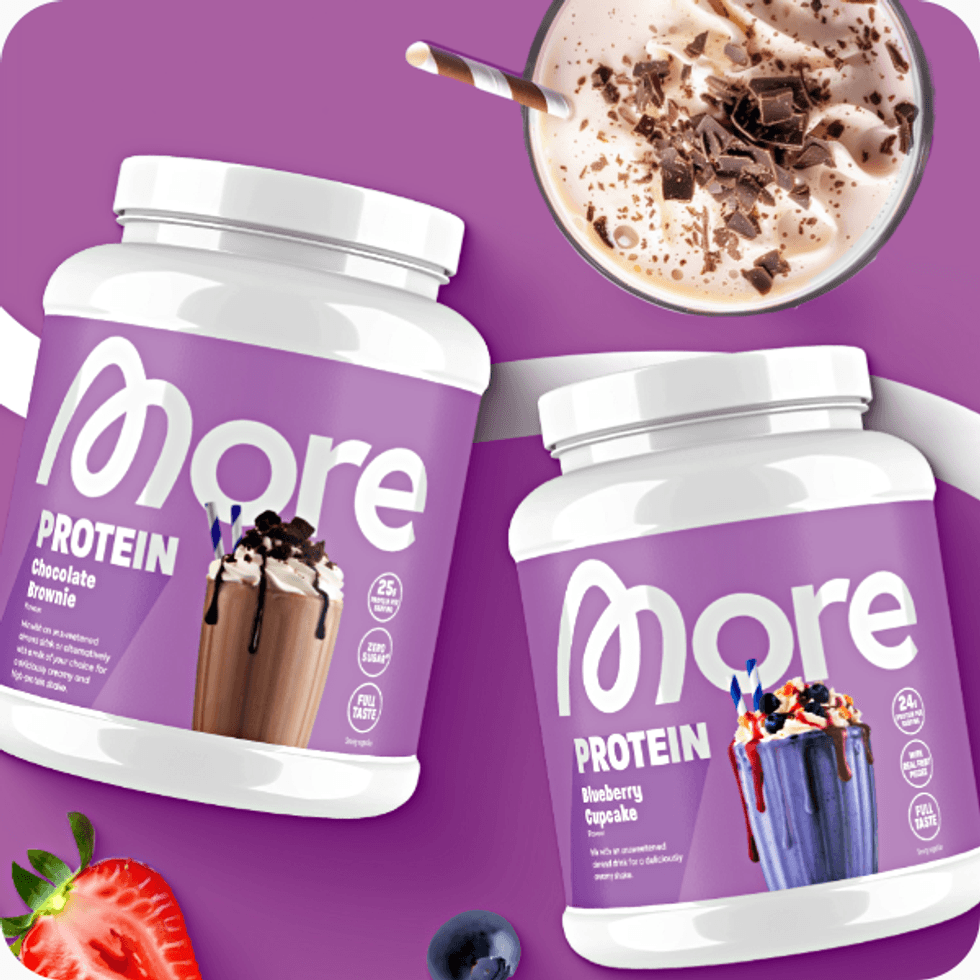
Want to try some of the products created by Dr Melanie Lütkemeyer and her team at More? Enjoy free delivery across the UK when you spend £40 or more on protein powders, bars and snacks, and other products from the popular brand
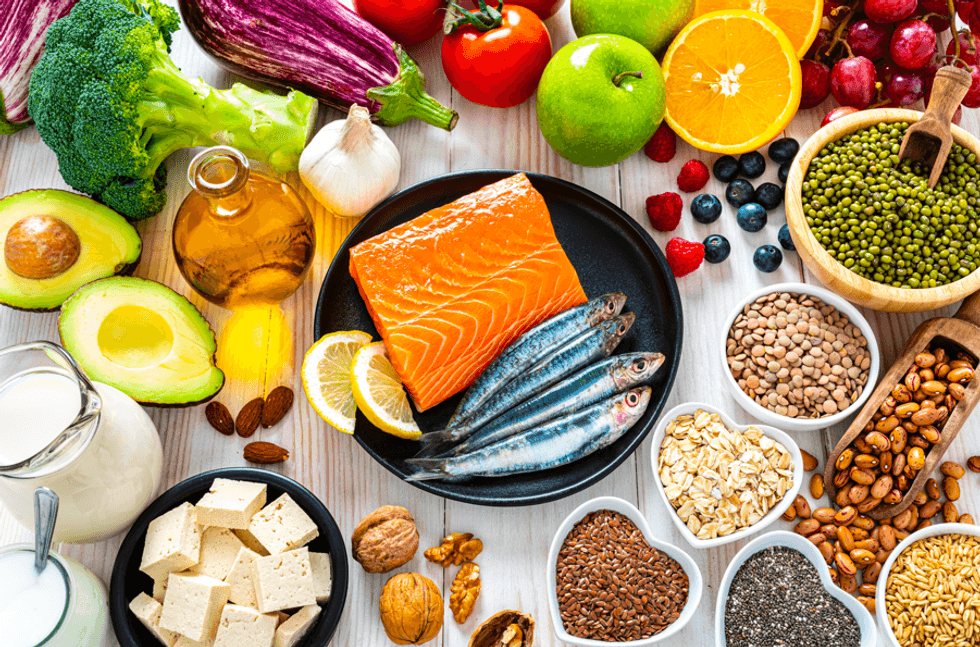
High-protein foods help you build and maintain muscle
| GETTYDr Lütkemeyer said: "Protein promotes greater satiety compared to other macronutrients, which can lead to a lower overall calorie intake. This is partly due to protein’s effects on satiety hormones such as Glucagon-like peptide-1 (GLP-1) and to protein’s higher thermic effect of food, meaning that digesting protein requires more energy than digesting carbohydrates or fats.
"For individuals aiming for body recomposition, the goal is to reduce body fat while maintaining or building lean muscle mass. This typically requires a caloric deficit, which may also lead to muscle breakdown if protein intake is insufficient.
"Adequate protein helps preserve metabolically active muscle tissue and supports higher overall energy expenditure in this state."
As a general rule, those hoping to lose weight should aim to eat fewer calories than they burn off to achieve this goal. This is known as a calorie deficit.
WEIGHT LOSS TIPS
Tracking macronutrients and eating plenty of protein while in a calorie deficit can make achieving your dream body easier - you will feel less hungry and more satisfied, while retaining more muscle mass.
The right calorie count and macronutrient split for you will depend on goals, activity level and genetics. Free online calculators are available that can help you work out roughly what you should be eating.
As a rule of thumb, the expert said: "A common deficit is 300 to 500 calories per day for steady, sustainable fat loss, and aiming for roughly 1.4 to two grams of protein per kilogram of body weight per day, depending on activity levels, can help support recovery and performance consistency."
So by the expert's calculations, the average 73kg British woman should aim to eat around 102 to 146 grams of protein per day, depending on their goals, genetics and how active they are.
So, what should you eat? It seems more and more products in supermarkets and restaurants are being labelled as "high-protein", but not all protein products are created equal. Sticking to natural sources of protein and high-quality supplements will make hitting goals easier.
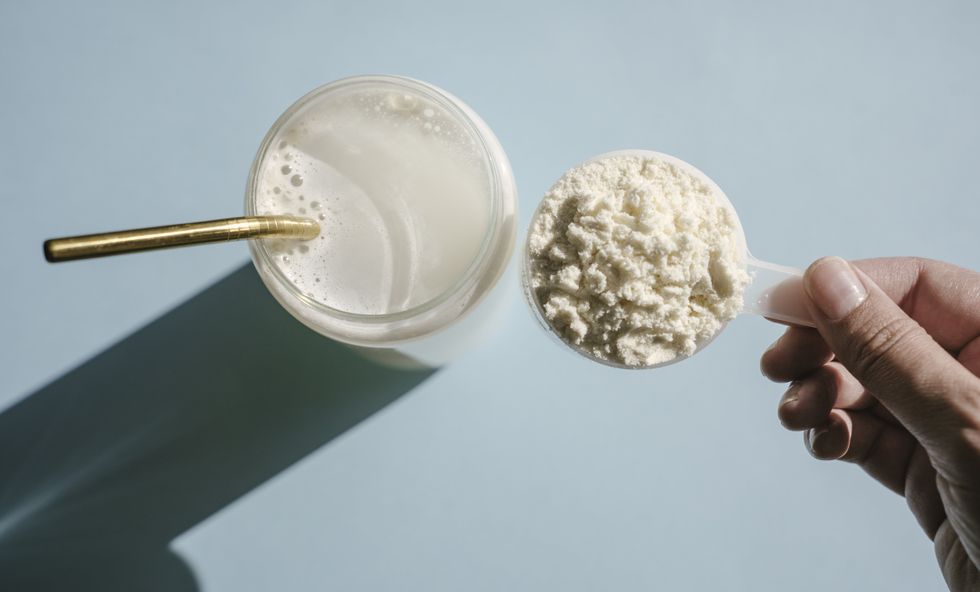
Supplements, such as protein powders and protein bars, can help slimmers achieve their goals
|GETTY
Dr Lütkemeyer said: "For main dishes, lean meats such as chicken and turkey, as well as fish like salmon, tuna, and cod, are excellent sources of protein. Vegetarian options include tempeh, tofu, pea protein, and legumes such as lentils and beans, the latter not only provide protein but also fibre, which further supports satiety. When following a vegetarian diet, it is advisable to eat a variety of protein sources throughout the day to ensure a complete intake of all essential amino acids.
"Dairy products such as cottage cheese and yoghurt, along with eggs, are also convenient ways to increase protein intake.
"For those looking to further increase their protein intake, More Nutrition offers convenient options such as protein shakes, lifestyle drinks (e.g. iced coffee, matcha, or milkshakes), and a variety of snacks. These include the popular Satisbites as a protein-rich alternative to chocolate bars and other high‑protein treats that are easy to integrate into everyday life."
High-protein food options
- Lean meats (chicken, turkey)
- Fish (salmon, tuna, cod)
- Tempeh
- Tofu
- Pea protein
- Legumes (lentils, beans)
- Dairy (cottage cheese, yoghurt)
- Eggs
- Protein supplements (protein shakes, protein bars, lifestyle drinks)
Our Standards: The GB News Editorial Charter