


All products and promotions are independently selected by our experts. To help us provide free impartial advice, we will earn an affiliate commission if you buy something. Click here to learn more








Creatine monohydrate has long been associated with the world of fitness, but it is not just beneficial for professional athletes.
The compound is making its way into more products, but who should be taking it? A nutritionist spoke exclusively to GB News about what it is and how it can help with fitness and weight loss goals.
Save 40% on Warrior Creatine Monohydrate Powder
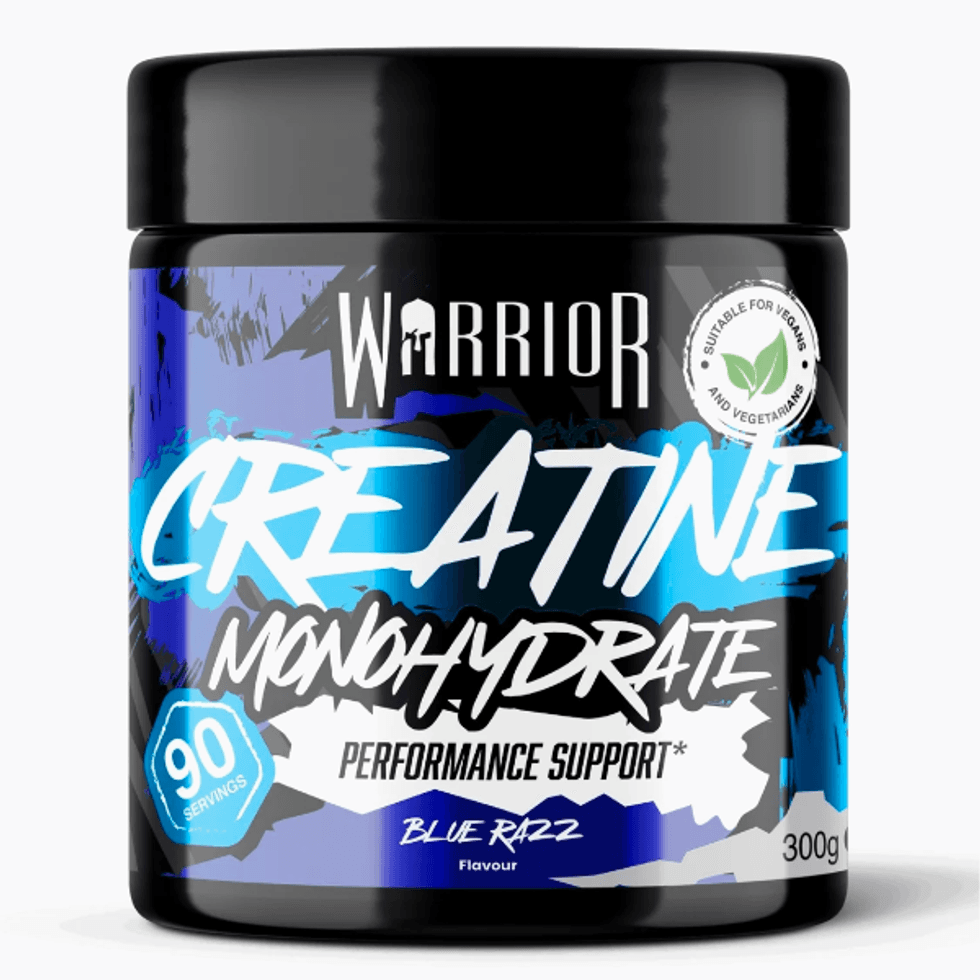
Warrior's popular Creatine Monohydrate promises "ultra-premium, research-backed power". According to the brand, Creatine is proven by over two decades of research to be one of the most effective, safe supplements for both men and women in sports and fitness
Creatine is found naturally in the body, but adding more to your diet has been shown to help improve strength, power and training performance.
It is naturally found in beef, pork, salmon, tuna, and other animal-based foods. However, dieters would need to eat around 500g to 1kg of each to get a meaningful amount of creatine, making supplements more convenient. Supplements are available in various forms, including powders, gummies, and blends with products such as protein powders.
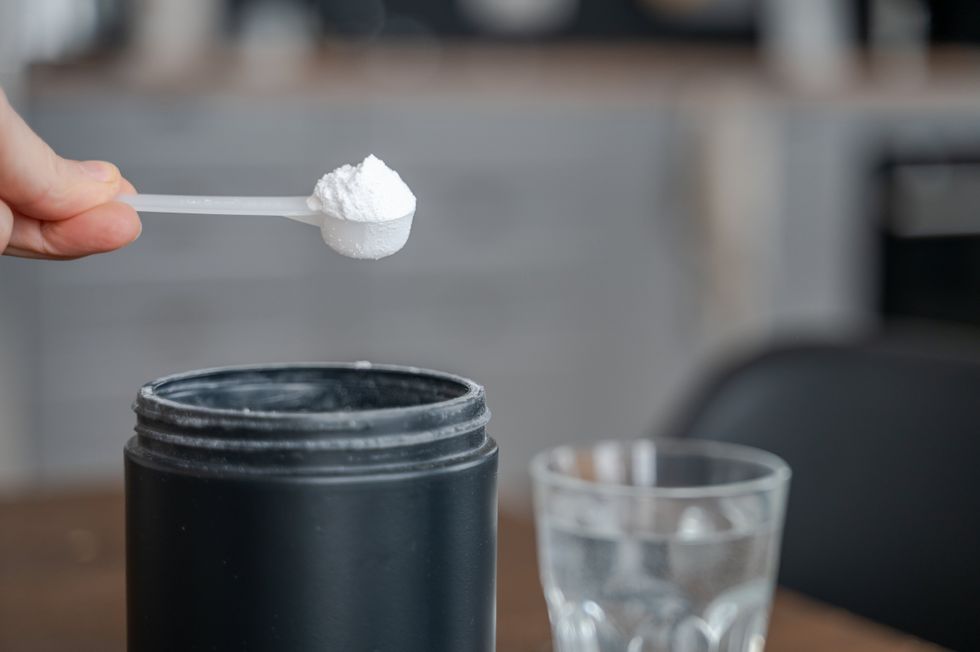
Taking 3g to 5g per day is recommended
|GETTY
Those who strength train or do other high-intensity exercise can notice better results. Performance nutritionist at Warrior®, Dan Richardson, said: "At its core, creatine is a naturally occurring compound found in our muscles.
"It plays a central role in producing adenosine triphosphate, which is essentially the body's immediate energy currency."
One way supplementing this can help with weight loss and fitness efforts is by allowing muscles to push through workouts for longer, leading to greater results.
Richardson continued: "When you bring creatine into your routine, what you're really doing is topping up your body's energy system, allowing your muscles to maintain high-intensity efforts for longer, which enhances strength gains and muscle mass."
DIETS
A study analysis published in the National Library of Medicine showed creatine consistently increased fat-free mass by around 1.4kg, which means more muscle was built when weight training while supplementing than without.
The standard recommendation is 3g to 5g of creatine monohydrate per day - this is the sweet spot for most people to see the greatest benefits.
Some studies have also shown benefits on the brain and cognition, mood and recovery. One randomised controlled trial of 123 participants who supplemented 5g a day for six weeks found a small positive effect on memory tasks.
The results suggested creatine might slightly enhance some cognitive functions, likely by improving brain energy availability (ATP), although more research is needed.
When it comes to recovery, Richardson said: "As well as these improvements in strength and power, creatine also supports recovery and a more consistent level of performance across the board.

It can help you push more during high-intensity exercise
|GETTY

Nutritionist Dan Richardson discussed the benefits of creatine
|WARRIOR
"It can be highly beneficial for the reduction of injury risk, helping to prevent muscle damage and inflammation, as well as supporting recovery and reducing fatigue after high-intensity exercise.
"Creatine is a valuable tool if you’re trying to lose weight. It helps improve performance and support the growth of lean muscle mass, achieving better results from your workouts.
"Research also demonstrates creatine has cognitive benefits and supports brain health and cognitive function - making it beneficial to a wide range of people, not just bodybuilders or elite athletes.”
Our Standards: The GB News Editorial Charter