









EasyJet has announced plans to increase its minimum ticket prices as the conflict involving Iran drives up aviation fuel costs and creates uncertainty across the airline industry.
Britain’s largest budget carrier said the fare increase forms part of its strategy to "navigate the near-term volatility caused by the Middle East conflict".
The closure of the Strait of Hormuz has disrupted around a fifth of the world’s oil supply, causing jet fuel prices to surge and placing pressure on airline operating costs.
Chief executive Kenton Jarvis sought to reassure customers that flights would continue operating as normal despite the growing instability in global energy markets.
Mr Jarvis said: "We continue to operate normally and our customers should book with confidence."
Speaking on the BBC Today programme, he added: "We've seen absolutely no issues with fuel supply at any of our airports in the UK, across Europe, or indeed beyond."
The airline said it intends to operate its full summer schedule as planned despite the disruption affecting global oil markets.
EasyJet reported a loss of £552million for the six months ending in March, marking a 40 per cent deterioration compared with the same period last year.
The figure represented a £158million increase in losses compared with the previous winter season, although airlines traditionally struggle to generate profits during quieter winter months before returning to profitability in the summer.
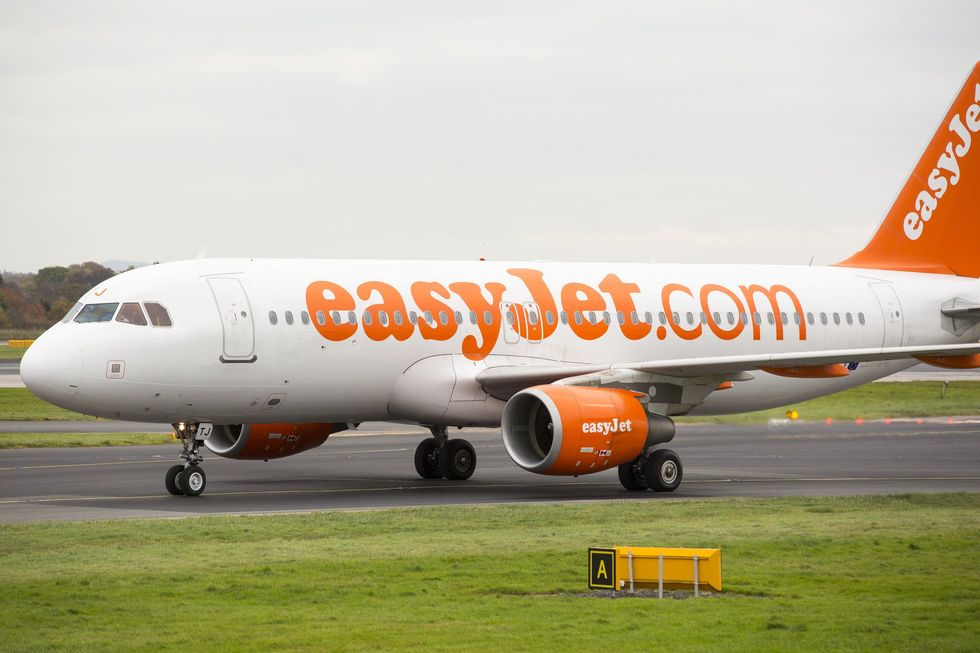
EasyJet to raise fares as Iran conflict sends jet fuel prices soaring
|GETTY
Passenger numbers rose by six per cent during the period, while planes operated at an average capacity of 90 per cent.
Mr Jarvis told BBC Radio 4’s Today programme: "Airlines typically make losses in the six months to March as they run through the winter and then look to make the profits as we operate in the summer."
The company’s package holiday division continued to outperform its core flight business, with bookings increasing by almost a quarter compared with flight-only sales.
Summer bookings are currently running two per cent lower than last year, with some customers delaying travel decisions because of concerns surrounding fuel shortages and wider instability in the Middle East.
EasyJet said booking patterns have shifted in recent months, with travellers increasingly waiting until closer to departure dates before confirming trips.
LATEST DEVELOPMENTS
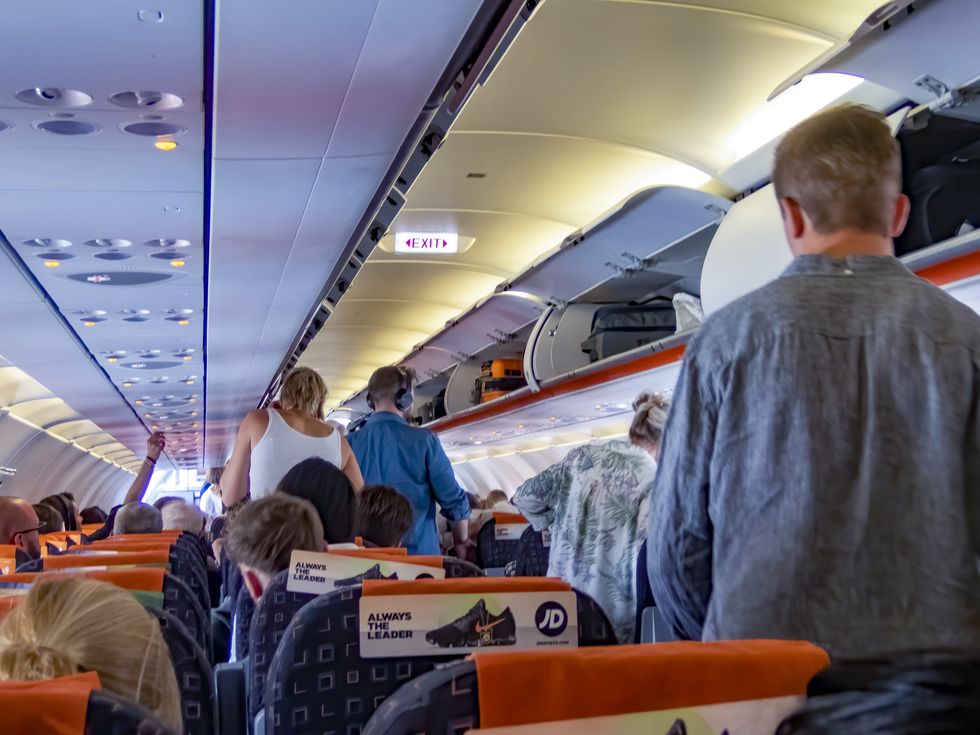
Despite the softer forward bookings, Mr Jarvis said demand for last-minute travel remained strong
|GETTY
He told analysts: "Demand seems to be very strong in what we call the late market.
"As we ran through April, demand was very strong for the month of April. We're seeing it again in May.
"But as you look further out, people are more cautious. People are waiting and watching, but they are booking as you approach."
The airline also reduced available seats by 0.3 per cent in March and cut flight frequencies on some high-volume routes during April and May.
EasyJet said it had secured 72 per cent of its fuel requirements through hedging arrangements for the summer period, although this falls to 53 per cent during winter.
The carrier has also paused its usual hedging strategy because of the sharp increase in fuel prices following the outbreak of conflict.
Despite locking in more than 70 per cent of fuel costs through to September, EasyJet said its fuel bill still increased by £25million during the first month of the war.
The rise in kerosene costs combined with weaker forward bookings has led the airline to withhold financial guidance for the remainder of the year.
Ryanair also announced earlier this week that it was withdrawing its annual forecasts because of uncertainty linked to the Middle East crisis.
The airline warned it was preparing for what it described as an "Armageddon situation" involving global jet fuel shortages.