







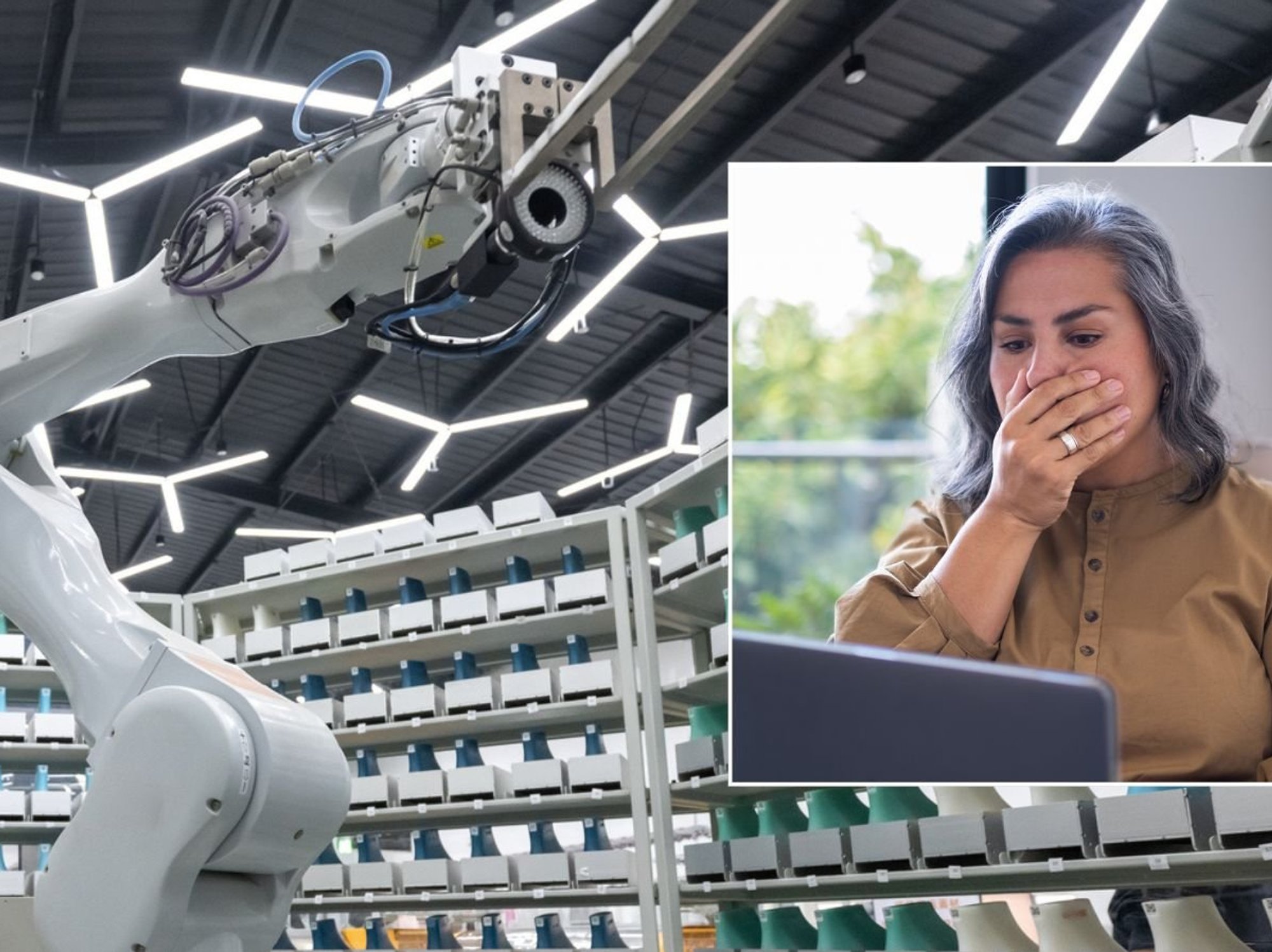


A major car brand has recently updated its safety systems on a number of its cars, focusing on better collision avoidance and improved detection of pedestrians and cyclists.
The Volkswagen Group has revealed it will roll out its own safety programme across the UK and Europe, utilising real-world driving data to enhance how cars respond in hazardous situations.
The car giant announced it would focus on enhancing collision avoidance and pedestrian detection in its latest models, aiming to reduce accidents in busy urban areas.
Now Volkswagen Group, which owns Audi, Skoda, Cupra, Porsche and Volkswagen itself said it wants to build on similar technology by learning directly from how cars are driven on real roads.
TRENDING
Stories
Videos
Your Say
In a statement released this week, the company said it is launching a Europe-wide initiative designed to "further optimise driver assistance systems using sensor and image data from customer vehicles and real traffic situations".
The rollout will begin this month and is expected to cover around 40 European countries, including the UK. Volkswagen Passenger Cars will be first, followed by other brands in the group.
Volkswagen stated that the aim is to enhance safety systems through software updates, enabling cars already on the road to benefit.
The company stated this will "make a positive contribution to overall road safety" by improving how vehicles respond in dangerous or unexpected situations.

Volkswagen hoped the changes would target road safety in the UK and Europe
| VOLKSWAGENAccording to the group, its cars already use anonymised shared data, described as the "wisdom of the crowd", to create high-resolution digital maps.
These help vehicles stay in lane where road markings are missing and provide drivers with hazard warnings that can be adjusted based on weather conditions.
Now, engineers aim to take it a step further by examining specific real-life scenarios where assistance systems are most needed.
These include situations involving pedestrians and cyclists, particularly near schools, busy supermarket car parks and complex junctions.
LATEST DEVELOPMENTS
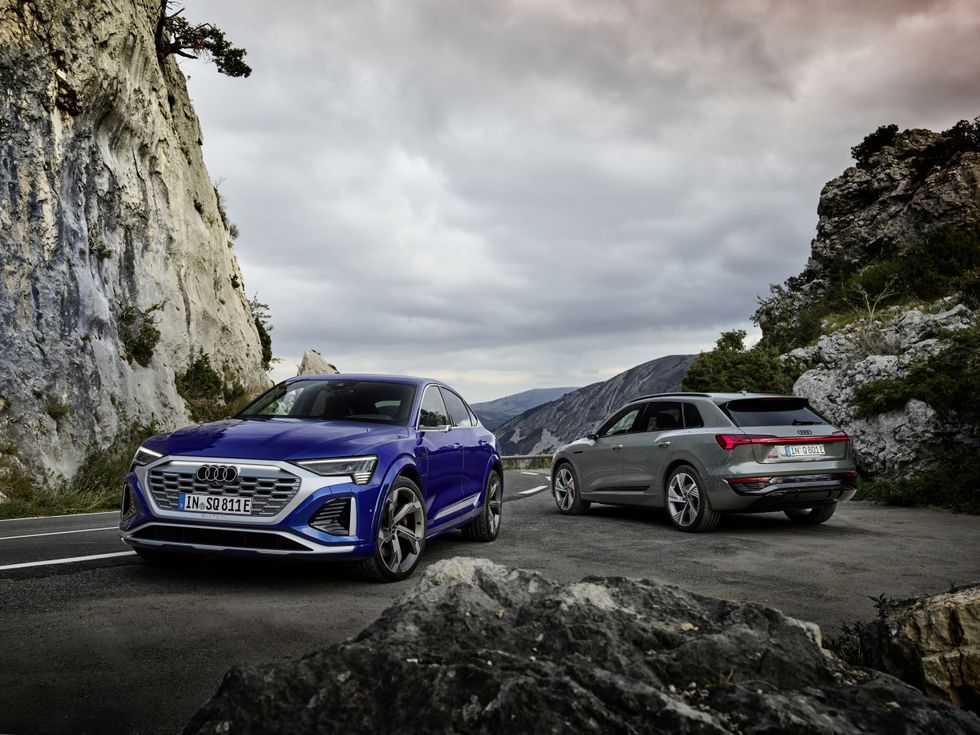
Audi vehicles will also be subject to the safety changes
| AUDIVolkswagen said: "To continuously improve driver assistance systems, engineers now aim to use data from real driving situations. These are significantly more practical than tests with prototypes or simulations."
Data would only be transmitted during certain safety-related events, such as emergency braking, sudden evasive steering or full manual braking.
In these moments, relevant information could include camera images of the vehicle's surroundings, sensor detections, speed, steering angle, and details about lighting, weather and visibility.
One example given by the company focused on pedestrian crossings. Volkswagen explained if cameras detect people moving towards the road, "the vehicle can proactively build up brake pressure to enable even faster braking in an emergency".
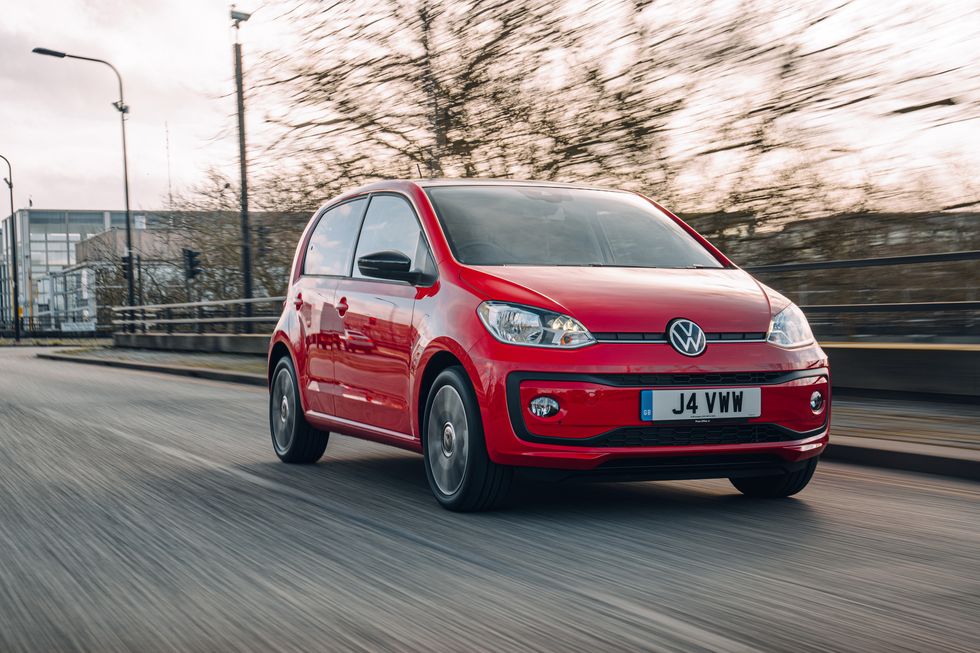
Volkswagen has unveiled new safety features in its vehicle range
| VOLKSWAGENHowever, the group emphasised this does not mean constant monitoring. "Continuous data transmission for this purpose does not take place," it said.
Volkswagen also made it clear customer permission is essential, stating: "Customer consent is the fundamental prerequisite for the transfer and processing of data." Drivers will be able to give or withdraw consent at any time, depending on the brand and vehicle settings.
The data collected may include images of other road users, such as pedestrians and cyclists near the vehicle. Volkswagen said this is necessary because camera-based systems must "visually classify objects and people accurately, even under challenging conditions".
However, the company insisted privacy rules will be followed, adding "individual information about people in the traffic environment is not relevant" and that all processing will comply with UK and European data protection laws.
Our Standards: The GB News Editorial Charter