










Thousands of drivers have been left furious after being wrongly fined for speeding due to a long-running technical fault affecting smart motorway cameras.
The problem, which dates back to January 2021, was caused by a software error which affected every speed camera linked to variable speed limits on smart motorways.
When speed limits change on smart motorways, they are displayed on electronic gantry signs above the road. However, due to the fault, the cameras continued enforcing the old speed limit for about 10 seconds after the new one appeared.
This fault meant drivers could be following the law and still be caught out. For example, a motorist slowing down to 50mph, as shown on the gantry, could be recorded as speeding by a camera still set to the previous 40mph limit.
TRENDING
Stories
Videos
Your Say
The issue was caused by a National Highways software update, which created a delay in communication between the gantry signs and the cameras. That delay, which should never have happened, has now been running for nearly four years.
The consequences have been serious, with reports finding more than 36,000 speeding cases have been dropped across 22 police force areas after the fault was uncovered.
National Highways estimated that at least 2,656 motorists were wrongly accused of speeding when they were actually driving within the legal limit.
In total, 154 cameras have been affected. These include all smart motorway cameras and some variable speed cameras on major A-roads, such as the A14 between Huntingdon and Cambridge. Around 38 per cent of all speed cameras on Britain's motorways and major A-roads fall into this category.
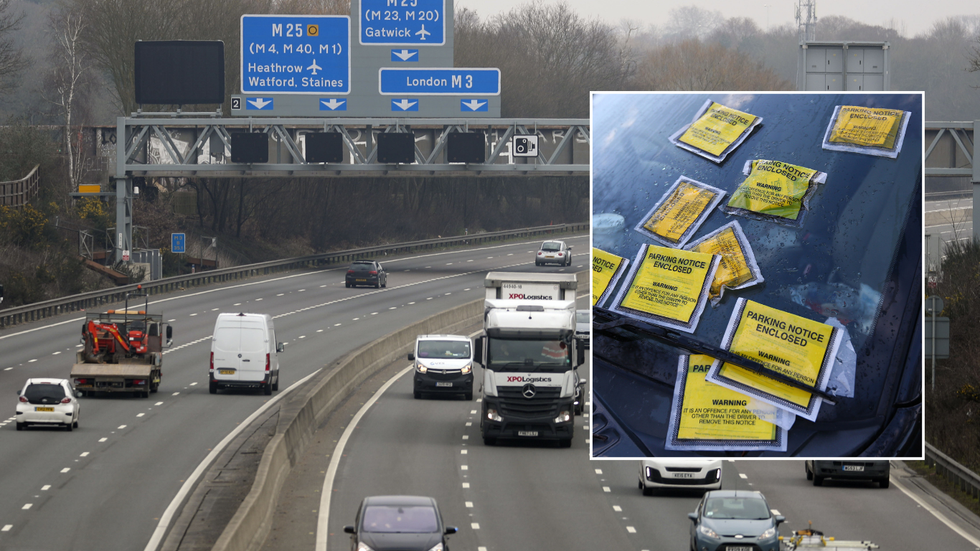
Drivers can now apply for compensation if they were wrongly fined
|PA/GETTY
Although the cameras cover only about 10 per cent of the Strategic Road Network, officials stated the fault affected less than 0.1 per cent of total camera activations. Critics, however, point out that this still amounts to thousands of innocent drivers being punished.
The cameras involved are known as HADECS 3 units. They can monitor up to five lanes of traffic at once and are designed to automatically adjust when speed limits change. By law, drivers should be given a 10-second grace period after any speed limit change to allow time to slow down.
Investigations found this grace period was not being applied. Instead, drivers were being caught immediately after limits changed because the cameras had not updated in time.
The problem only came to light after drivers challenged fines in court. Some were able to use dashcam footage to prove they were driving below the speed shown on the gantry at the moment they were caught.
LATEST DEVELOPMENTS
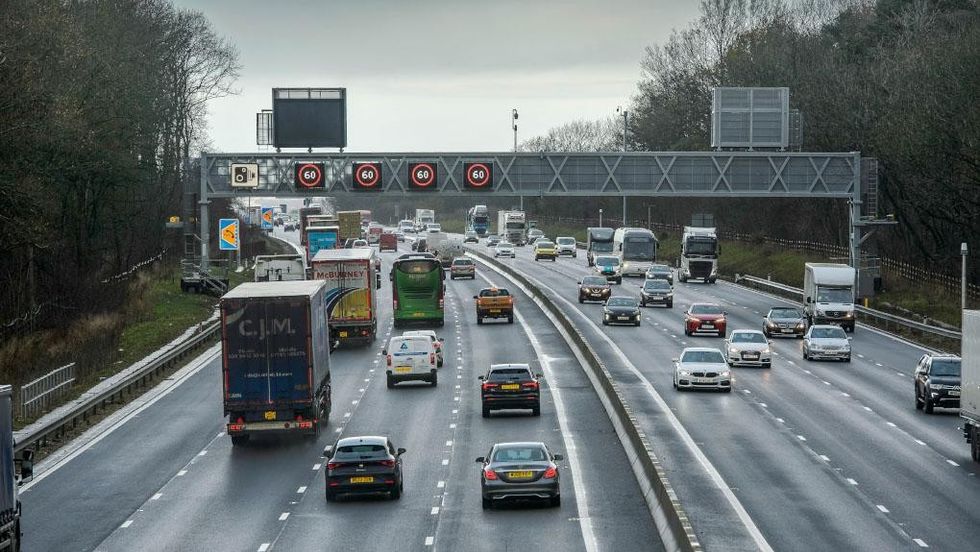
Drivers were fined for breaching the speed limit on smart motorways
| OFFICE OF RAIL AND ROADOnce police realised the data could not be trusted, enforcement from the affected cameras was quietly paused, reports revealed.
To fix the issue, ministers and senior police figures agreed on a temporary fix, allowing the cameras to be switched back on within days. National Highways said the new checking system will flag around two incorrect cases per day once enforcement resumes.
A compensation scheme is now being set up for drivers who were fined between £100 and £2,500, forced to attend speed awareness courses, or even banned from driving.
Some drivers may also have criminal convictions on their record, which could have affected their jobs as a result of the error.
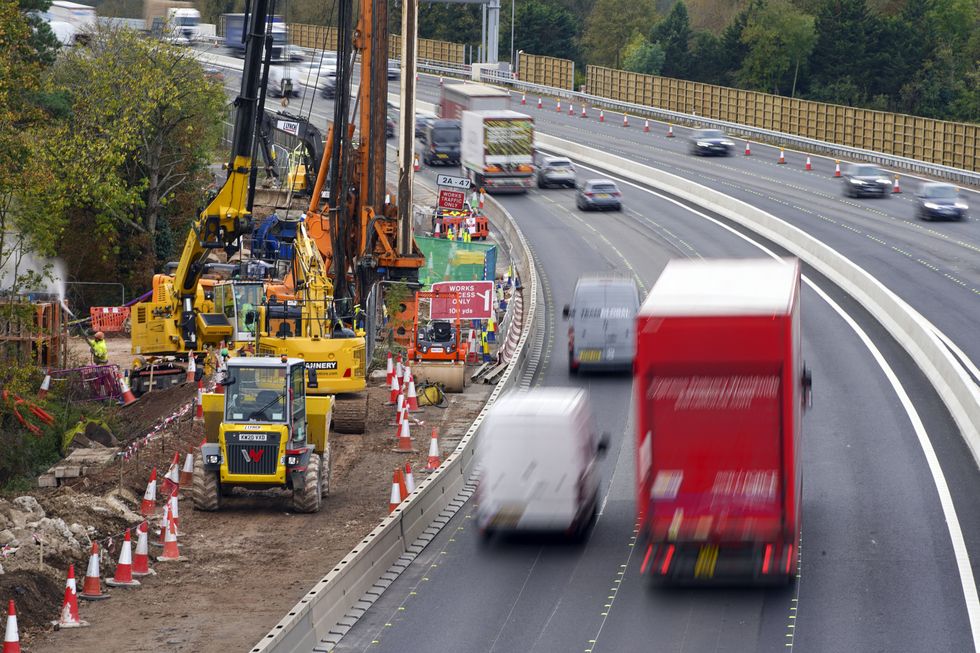 Smart motorways have been criticised for not having a hard shoulder | PA
National Highways chief executive Nick Harris apologised for the error, stating safety remains the top priority and promising that no one will be wrongly prosecuted going forward.
He told the Daily Mail: "Safety is our number one priority, and we have developed a fix for this technical anomaly to maintain the highest levels of safety on these roads and make sure no one is wrongly prosecuted.
"All drivers should continue observing the posted speed limits as normal. Anyone who has been impacted will be contacted by the relevant police force."
A National Police Chiefs Council spokesperson added: "Policing is working with National Highways to identify and contact a very limited number of motorists who may have incorrectly received a speeding penalty due to an anomaly impacting the way some National Highways cameras interact with their signs and signals on some A-roads and motorways. This issue affects a limited number of motorists."