










Motorists have been warned of the overnight closure of the M20 next week as National Highways prepares to install the Operation Brock contraflow system.
The motorway stretch between Maidstone and Ashford will be shut from 8pm on December 15 until 6am the following morning to allow crews to set up the traffic management measures.
The Kent and Medway Resilience Forum requested the deployment ahead of the festive period, with authorities anticipating significant passenger volumes at ports in the county during the Christmas holidays.
Operation Brock forms part of broader efforts to maintain traffic flow across Kent when services through the English Channel experience disruption. Signed diversion routes will guide drivers around the closure during the overnight work.
TRENDING
Stories
Videos
Your Say
The closure will affect both directions of the motorway, with the London-bound carriageway shut between Junctions 9 and 8, while coastbound traffic faces diversions from Junction 7 through to Junction 9.
National Highways selected these overnight hours specifically to reduce the impact on road users and ensure conditions remain suitable for traffic volumes.
Once installation is complete, the contraflow will operate along a 13-mile stretch of the M20 linking Junction 8 at Maidstone with Junction 9 near Ashford.
The system divides traffic across both carriageways into separate lanes, enabling vehicles not destined for the port or Eurotunnel to continue their journeys without obstruction while managing the flow of freight heading towards Dover and the Channel Tunnel.
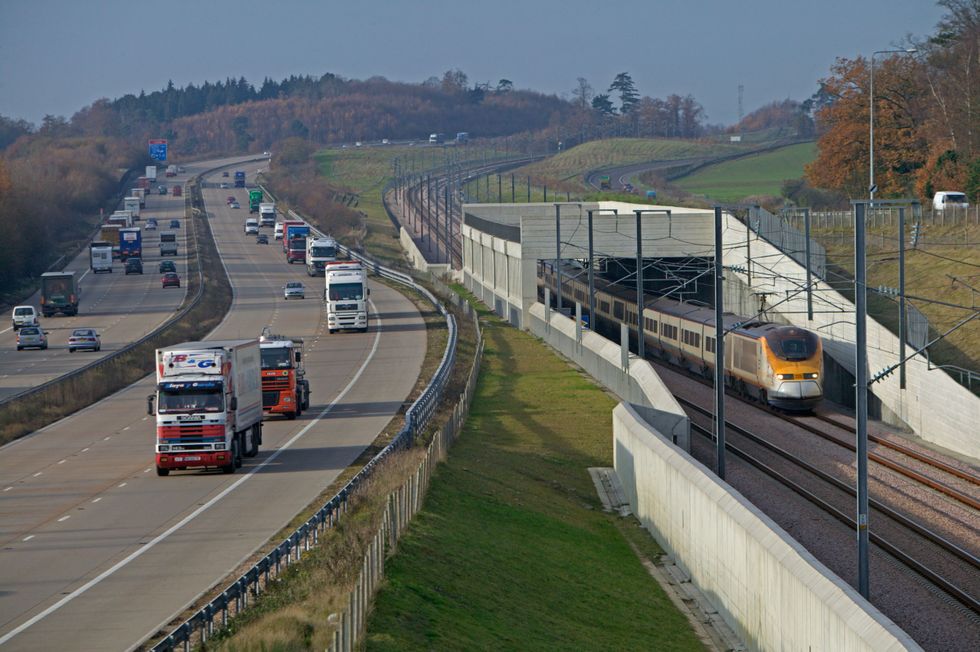
National Highways will close the M20 on Monday evening to allow the contraflow system to be removed
| NATIONAL HIGHWAYSWhen disruption occurs in the Channel, HGVs travelling along the M20 towards the Port of Dover or Eurotunnel terminals have limited options for holding.
The Operation Brock system addresses this by creating a contraflow arrangement that can be established during a single night's work.
By separating different types of traffic into designated lanes spanning both carriageways, the arrangement keeps the M20 and surrounding local roads functioning effectively.
Drivers whose destinations lie elsewhere in Kent or beyond can proceed normally through the contraflow section without delay.
LATEST DEVELOPMENTS
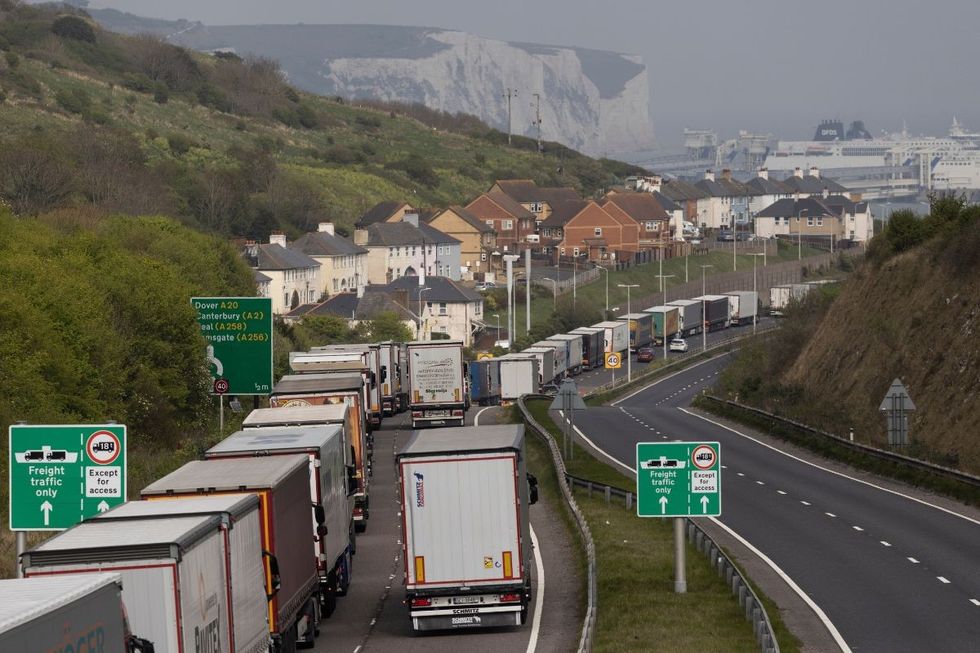 The M20 frequently gets closed to allow National Highways to put traffic measures in place near Dover | GETTY
Simultaneously, the system provides a controlled route for port-bound lorries making their way to either Dover or the Channel Tunnel terminal, preventing the kind of gridlock that has previously brought the county's road network to a standstill.
Drivers have also been urged to pay close attention to signage rather than relying on satellite navigation systems once the contraflow becomes operational.
Following the reopening of the motorway, all HGVs bound for the Port of Dover or Eurotunnel services must join the Operation Brock system at Junction 8 of the M20.
Other coastbound traffic, including local freight deliveries and private motorists heading to continental Europe, should follow directional signs to cross over onto the London-bound carriageway where the contraflow operates.
National Highways emphasised that all road users must observe the signage throughout the contraflow section to ensure safe passage through the managed zone.
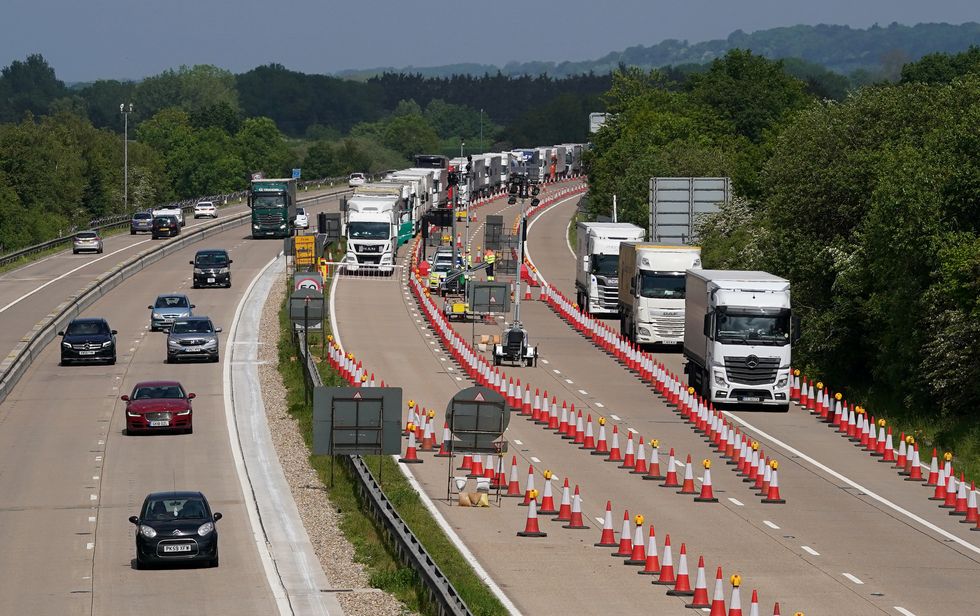 Operation Brock can cause significant disruptions to drivers travelling to the coast | PA
The arrangement allows non-port traffic to use the contraflow in both directions while keeping freight destined for European crossings in dedicated lanes.
For those planning journeys during the festive period, National Highways recommends following the TRIP checklist to ensure safe travel.
The acronym stands for four essential preparation steps: top-up vehicle fluids, including fuel, oil and screen wash before setting off; rest by scheduling breaks every two hours to combat fatigue; inspect tyres for adequate pressure and tread depth; and prepare contingency plans should severe weather conditions arise.
Motorists can access real-time traffic updates through the Traffic England website, radio travel bulletins, electronic signs along the route, and mobile applications.