

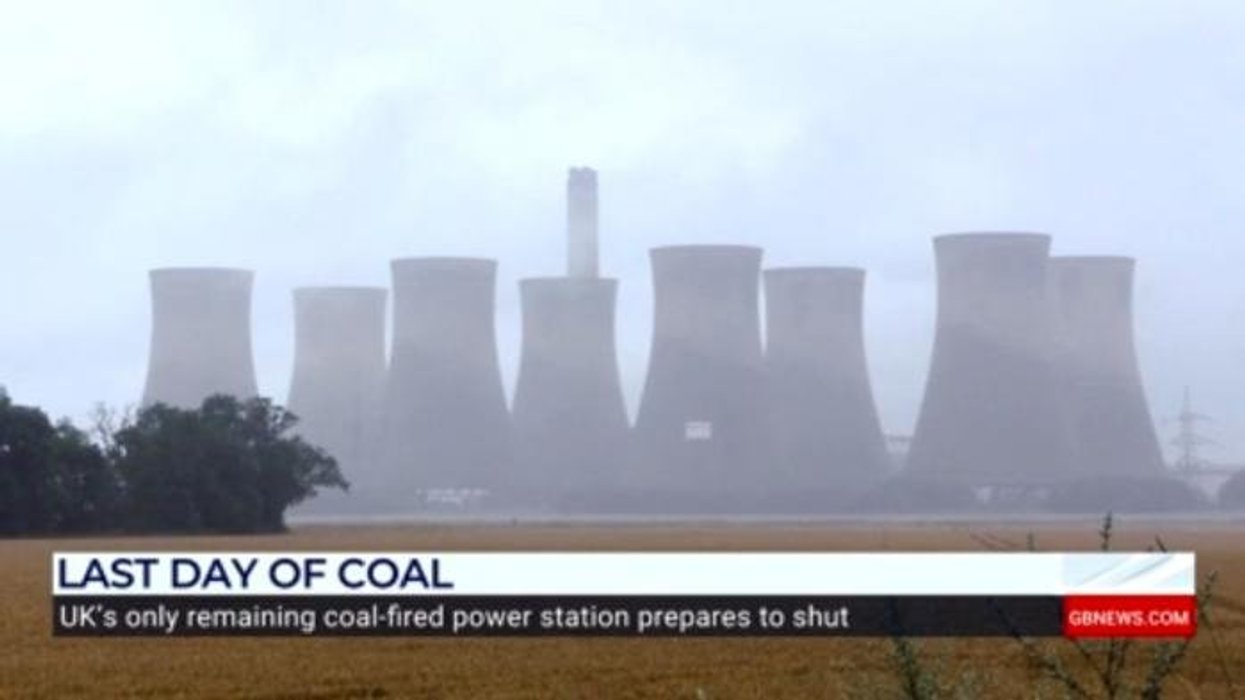







With its eight enormous cooling towers and 650-foot chimney dominating the skyline, Ratcliffe-on-Soar was “a pillar of the UK's energy security” for nearly six decades. But wrecking crews will move in before the end of 2026 and the towers – described by British sculptor Sir Antony Gormley as the “Stonehenge of the Carbon Age” – will fall by 2030.
In their place will be a “low carbon energy generation and advanced manufacturing space”, complete with a data centre. For some, the complete removal of the fossil fuel behemoth is a welcome step in the right direction.
But others argue the loss of the landmark is symbolic of Britain’s industrial decline and point out coal continues to be a major source of power in other countries. In the age of Net Zero, there could be no place for Ratcliffe, which once supplied enough energy to power two million homes.
It generated its first watt in 1967 and became fully operational three years later. The coal was shipped by train, delivering up to 15,000 tonnes a trip.
TRENDING
Stories
Videos
Your Say
At its height, the plant, in Nottinghamshire, was receiving 20 trainloads a day. It employed hundreds of people, with many from the area spending their entire careers at the facility.
However, more than 130 years after the world’s first public coal‑fired power station opened at Holborn Viaduct in London, Ratcliffe was deemed surplus to requirements. In 2015, David Cameron signed a cross-party agreement with Ed Miliband and Nick Clegg to “end unabated coal-fired power generation”.
Since 2000, 25 coal plants in the UK have closed or switched to other fuels, 15 of those since 2012. In 2021, Alok Sharma, the chairman of COP26, personally pushed the button to destroy coal-fired Ferrybridge C.
Ratcliffe’s closure in 2024 marked the end of coal-fired electricity in the UK and meant the country became the first G7 nation to go completely coal-free. The closure was warmly welcomed by environmentalists.
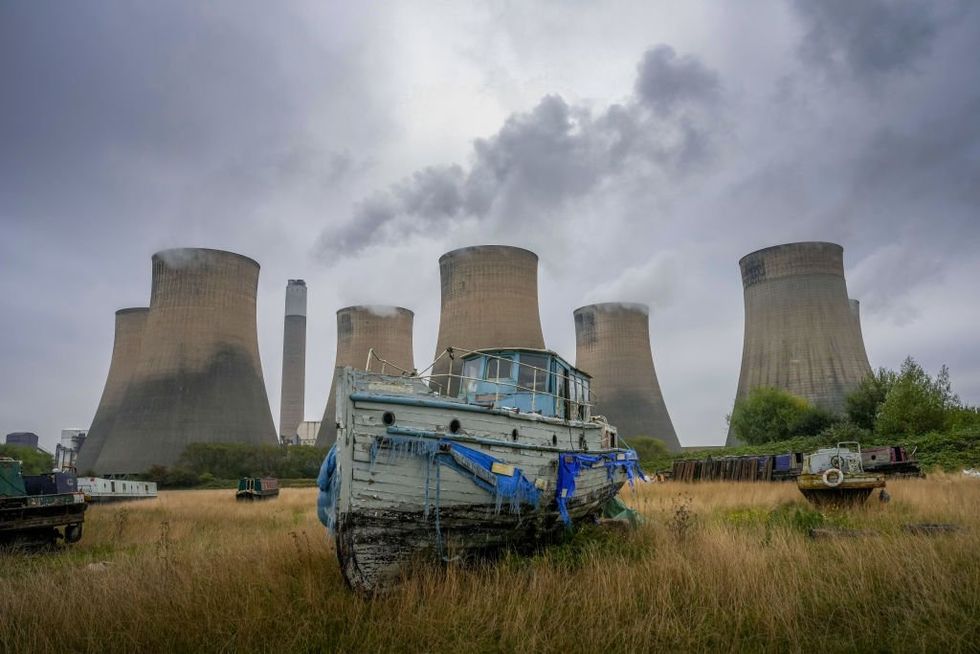
Ratcliffe-on-Soar was 'a pillar of the UK's energy security' for nearly seven decades
|GETTY
Former chairman of the Climate Change Committee, Lord Deben, said: “King Coal is dead. Long live his clean successors. This is the day we finally recognise that we can have power without it costing the Earth.”
With oil prices sky high thanks to the war in Iran and the UK facing some of the most costly electricity in the developed world, critics have asked if these celebrations were misplaced. Other countries have been forced to make U-turns on climate pledges, a situation since made worse by the ongoing situation in the Middle East.
In 2022, in response to Russia's invasion of Ukraine, Germany reactivated or extended the life of several coal plants to secure energy supplies. German Chancellor Friedrich Merz has since said that, because of the Iranian conflict, a legally binding target to end coal use by 2038 may not be viable.
“We may have to keep existing coal-fired power stations connected to the grid for longer,” he said, adding he was unwilling “to jeopardise the core of our energy supply simply because we decided on phase out dates years ago".
LATEST DEVELOPMENTS
- Nigel Farage vows to REOPEN Port Talbot as Reform UK launches bid to unseat Labour 'betrayers'
- Labour Party's founders just backed North Sea drilling. The Net Zero dam is finally breaking - Paul Embery
- ‘I’ve blocked you on X!’ Furious climate row breaks out on GB News over coal mine ruling: ‘We’ll get it from China instead’
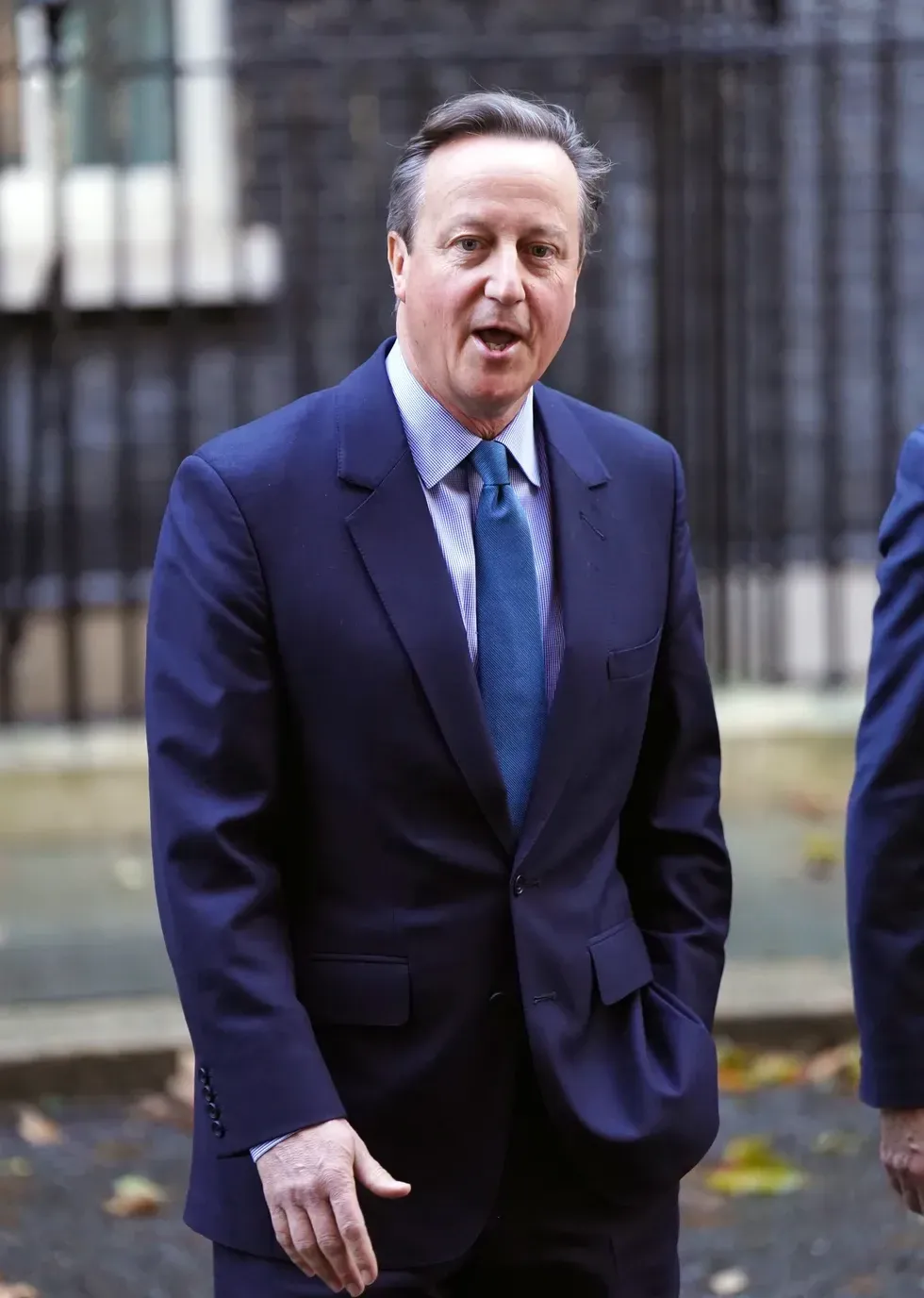
David Cameron signed a cross-party agreement to 'end unabated coal-fired power generation'
| PALast month, Japan announced it will allow more use of coal-fired plants to cope with the energy shock caused by the blockade of the Strait of Hormuz. South Korea is said to be considering greater coal use if its supplies of liquiefied natural gas become constricted.
China, meanwhile, has nearly 2,000 coal power stations and accounts for more than half of coal-fired electricity production globally. India is second, with nearly 300 coal power plants and America has almost 200.
Even Ratcliffe received a temporary reprieve from the UK’s march to Net Zero. It had been due to shut in 2022, but it remained open to provide backup capacity during the gas‑price shock.
With the demolition order signed by the council, it seems to have finally reached the end of the road. Former energy secretary Sir Jacob Rees-Mogg said that closing Ratcliffe had been a mistake. He claimed Britain was going it alone in its attitude to clean power and argued the UK needed as diverse a supply of energy as possible.
This should include coal, as well as fracking, he said. Sir Jacob said of Ratcliffe: “It’s clearly a mistake to limit our sources of power. We should be diversifying and opening more power stations. No one else is doing what we are doing – everyone else is investing in cheap electricity. We should be using our own resources – the North Sea, fracking and using our own coal if it’s viable. We need to forget about Net Zero and think about the welfare of the people.”
Professor John Constable, of the Universtiy of Austin’s Future of Energy Institute, said it was foolish to write off coal when so many other nations relied upon it. He said: “The world economy, the West’s included, still rests on a coal foundation. The difference is that the coal is now burned in Asia rather than the English Midlands and the industrial north. Coal has never gone away. Whether it returns to the UK, and brings prosperity with it, is the question no one in Whitehall seems willing to ask.”
Demolition will commence once the decommissioning of the 273-acre site is complete, expected to be in October this year. The new plans include clean power generation, with ten hectares set aside for solar panels.
The scheme also provides for battery storage and hydrogen production, along with a data centre. Engineering firm Arup, which is working with operator Uniper, says the new site will create between 7,000 and 8,000 local job opportunities.
It is expected to generate £513million per year for the East Midlands economy. Nevertheless, there will be little reminder of what went before. The towers are due to be fully demolished by 2030.
The 20th Century Society fought to save them, describing them as “cathedrals of our industrial heritage”, but to no avail. Energy Minister Michael Shanks said on a visit to Ratcliffe: "This site has huge potential as a net-zero energy hub of the future. We want that in an area like this to bring those skilled, well-paid jobs to the future, and we don't want the industrial site to maybe hold back some of that.”
Professor Constable believes, whatever remains of the old power station, the reign of "King Cole" would continue. He said: “The demolition of Ratcliffe-on-Soar is largely symbolic, but the idea that it marks the end of coal’s dominance is simplistic and shortsighted.”
Our Standards: The GB News Editorial Charter