






Nearly two-thirds of fatal road crashes in the past two years have involved at least one of the so-called "Fatal Four" dangerous driving behaviours, with Labour urged to introduce new penalties to deter the poor practice.
The data revealed in the new report from the Parliamentary Advisory Council for Transport Safety (PACTS) showed the impact of speeding, drink or drug driving, not wearing a seatbelt and using a mobile phone behind the wheel.
The findings, supported by technology partner Acusensus, have been based on evidence from police forces, researchers, tech providers and legal experts across the UK.
The report found 64.9 per cent of deadly collisions were linked to at least one of these risky behaviours on UK roads.
TRENDING
Stories
Videos
Your Say
The report warned that some dangerous habits on the roads have become normalised, even though they are still killing people.
One key example is mobile phones by police and road safety professionals stating distraction has become "culturally normalised", yet detection rates remain low.
Official police surveys have suggested high seatbelt use, but the reality at fatal crashes tells another story, the report warned.
People not wearing a seatbelt are still significantly over-represented among those killed, showing compliance isn't as high as assumed.
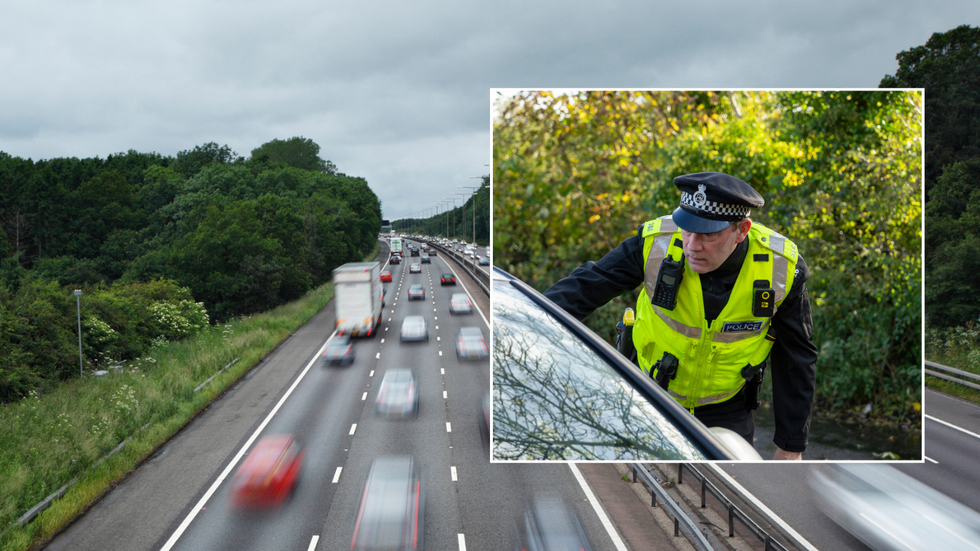
The 'Fatal Four' includes speeding, drink or drug driving, not wearing a seatbelt and using a mobile phone
|GETTY
The human cost of this behaviour is heartbreakingly clear in tragic cases. In 2021, a lorry driver distracted by his mobile phone killed a mother and her three children on the A1(M) near Durham.
Another HGV driver in 2016 caused four deaths on the A34 near Newbury while using a handheld device. In Dumfries in 2018, a driver was jailed for five years after checking his phone and causing a fatal crash.
These and similar cases underline how distraction and lack of restraint continue to play a major part in serious and fatal collisions, despite people telling surveys they always buckle up or pay attention.
The report detailed how the situation demands more effective detection and enforcement with emerging technologies highlighted as being something which could make a real difference, such as AI-powered roadside cameras, in-vehicle monitoring systems and phone-limiting apps.
LATEST DEVELOPMENTS
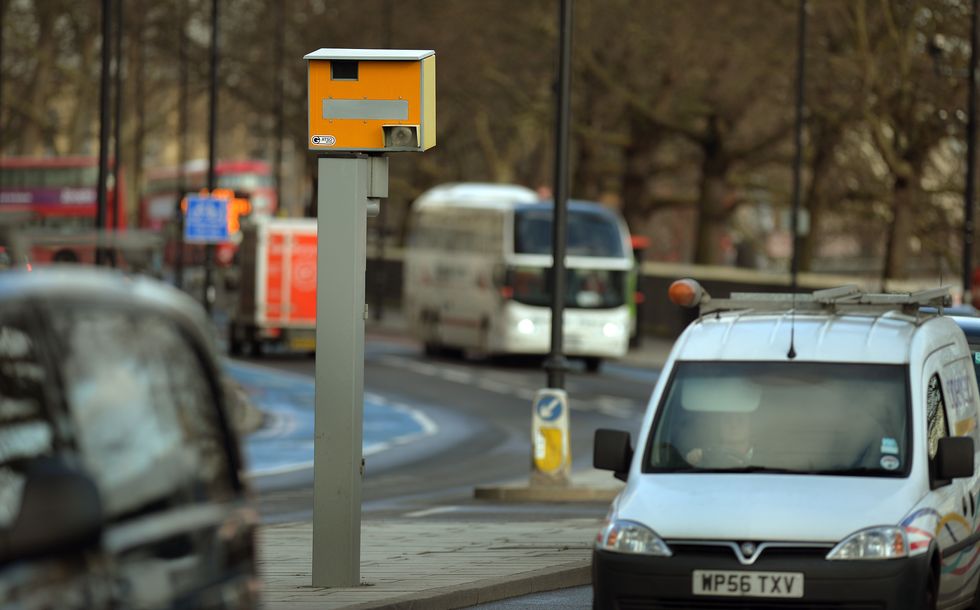 Speeding offences can result in up to six penalty points as well as a £1,000 fine if taken to court | PA
Trials run by Acusensus with National Highways and police forces have shown these systems can identify thousands of potential offences within hours. Publicising the results appears to have a measurable deterrent effect, helping to change driver behaviour.
In one example, data from Devon and Cornwall showed dramatic results after cameras were introduced.
Seatbelt detections fell by half and mobile phone detections dropped by a third at monitored sites in August 2024. When compared over a longer period between 2023 and 2025, violations for seatbelt use were down 83 per cent and mobile phone offences 80 per cent.
Chief officers and road safety experts have now called for urgent action, with PACTS arguing that current laws need updating so automated detection can be properly enabled, with mandatory human verification of any flagged offence.
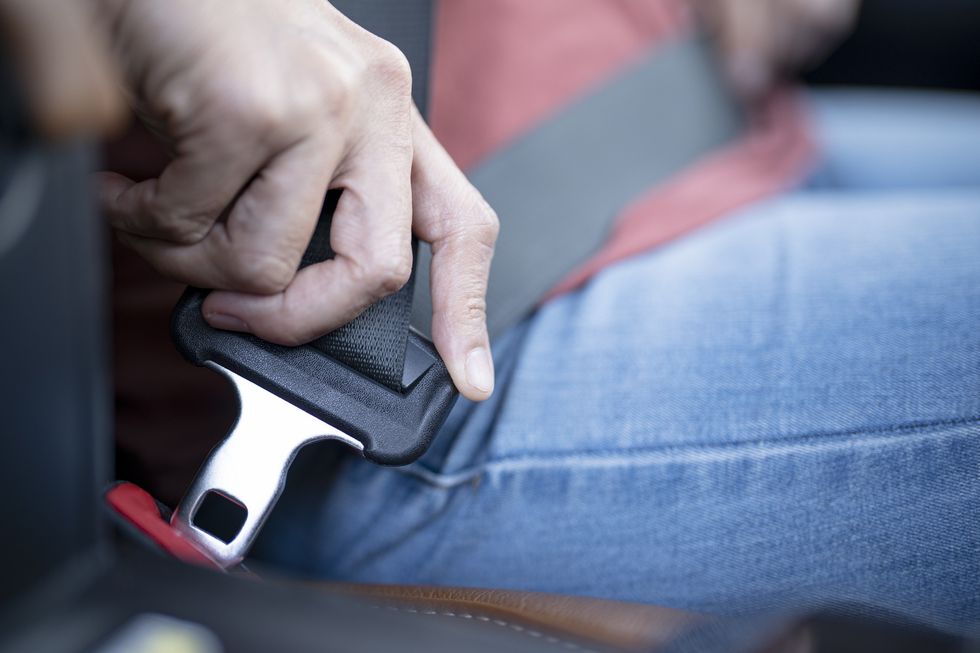
Drivers can be fined up to £100 if taken to court for failing to wear a seatbelt while driving
| GETTYThe transport council also wanted the Government to review penalties, including the possible return of educational courses for offenders.
Under present rules, the penalty for not wearing a seatbelt is a £100 fixed fine with no penalty points added to the licence unless the case goes to court.
Mobile phone offences already carry a £200 fine and six points, and new drivers risk losing their licence if caught using a handheld device.
Road safety professionals said education as well as enforcement will be key. "Wearing a seat belt in a car is such a basic piece of road safety advice that it amazes me that some people still fail to use one," said PC Dave Lee of the Safer Roads Team during local enforcement work.