







Labour has been told to delay the planned introduction of pay-per-mile car taxes to 2030 amid fears it could have a negative impact on the uptake of electric vehicles.
The UK will ban the sale of new internal combustion engine cars from 2030, before only zero emission vehicles are sold from 2035 onwards.
This has been outlined by Sir Keir Starmer's Government following changes made by the then-Conservative administration to revert to a 2035 phase-out deadline.
The Association of Fleet Professionals (AFP) warned that amending the deadline for the planned 2028 introduction of pay-per-mile car taxes would create serious challenges for businesses.
TRENDING
Stories
Videos
Your Say
From 2028, the Government will introduce Electric Vehicle Excise Duty (eVED) to ensure owners of zero emission vehicles pay for their use of the road, like all other motorists.
Electric car owners will be charged three pence per mile, while hybrid owners will face a cost of 1.5p per mile when the new rules are launched.
The AFP said the planned 2028 introduction of eVED would impact the sale of new electric vehicles and would make it difficult for fleets to switch.
Potential hazards for these brands could include estimating mileage, defining the split between company and private mileage, and possible benefit-in-kind (BiK) tax implications.
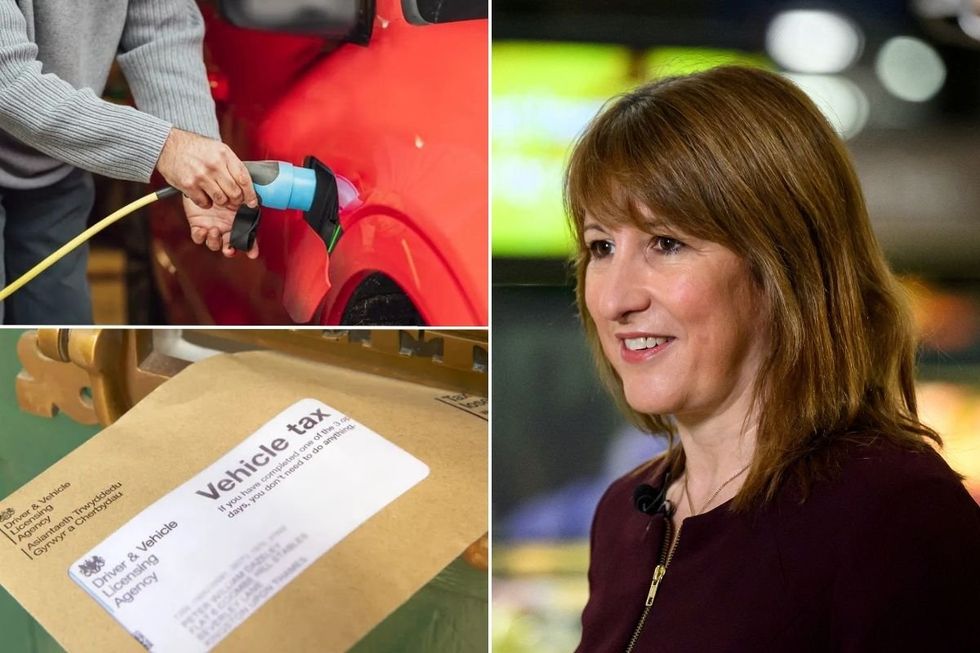
Chancellor Rachel Reeves has been urged to delay the introduction of Electric Vehicle Excise Duty (eVED)
|GETTY/PA
Paul Hollick, chair of the AFP, said: "We strongly believe the Government should look at ways of delaying and simplifying this proposal while reducing the burden on fleet operators.
"The electric car market is still stabilising and fleets remain negatively affected by residual value issues, Zero Emission Vehicle mandate volumes and charging difficulties.
"We believe moving its implementation to 2030 better aligns with fleet cycles and avoids destabilising both the new and used markets."
The call comes as the Government begins analysing feedback from a public consultation, which concluded on March 18, 2026.
LATEST DEVELOPMENTS
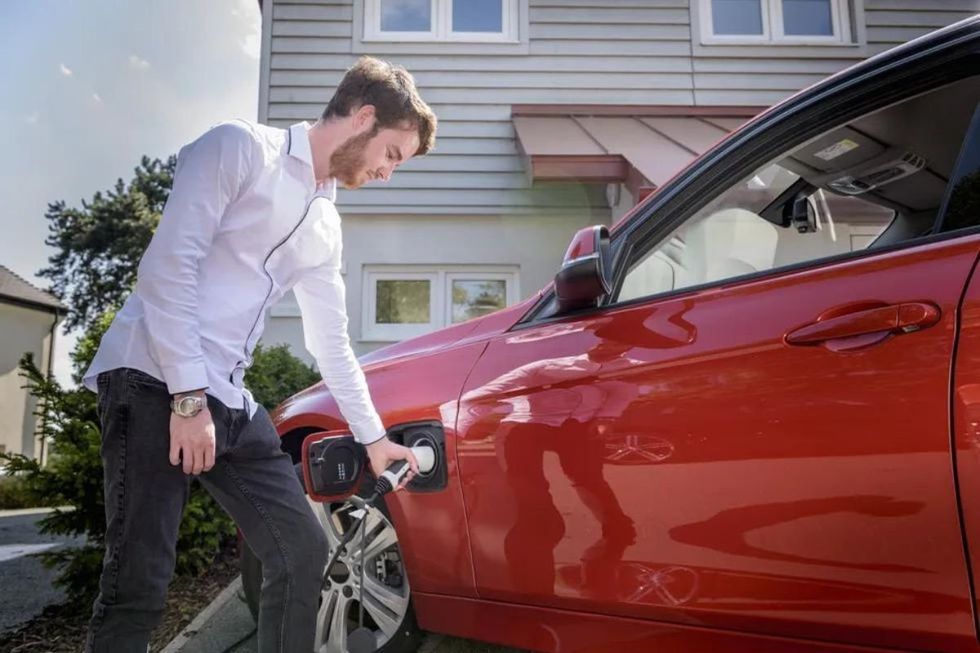
Once introduced, the pay-per-mile car taxes could see the average driver slapped with an annual charge of £240
| GETTYLabour said it wanted to hear opinions on how the electric Vehicle Excise Duty (eVED) scheme can be rolled out and delivered for all motorists.
It added that eVED would help raise money alongside the long-term decline in fuel duty receipts as drivers ditch their petrol and diesel vehicles in favour of EVs.
Chancellor Rachel Reeves said the measures would make it "fair" to other motorists by charging EV drivers for their contribution to wear and tear on roads.
Data suggests that the average electric car owner will pay around £240 a year, or £20 a month, when the new measures are introduced.
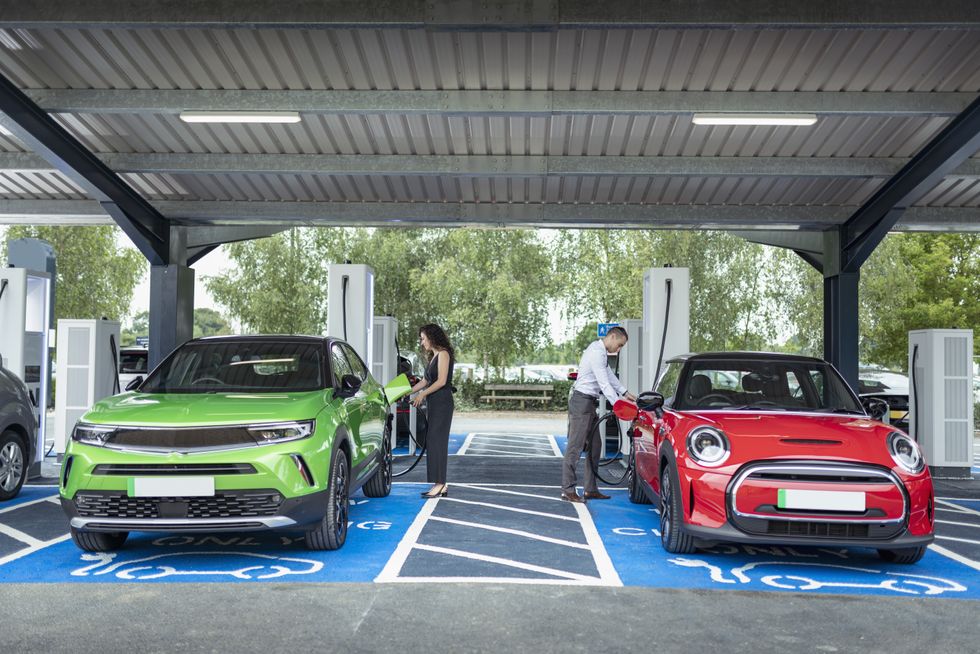
The AFP warned about the impact the changes could have on businesses
| GETTYThe AFP suggested that alternative measures could be more suitable, including a "retrospective taxation system or a tax on electricity delivered through charge points".
Mr Hollick said that "easier" and "better" solutions appear to be available, rather than charging based on presumptive mileage rates.
He concluded: "We very much recognise that electrification is leading to a taxation shortfall for the Treasury that needs to be recovered somehow and also the Government would prefer to introduce a system based on use, rather than the flat rate of current BiK.
"However, the proposals seem needlessly convoluted and this is very much the theme of our consultation response."