






Dazzling headlights have become a widespread problem on Britain's roads, with a growing numbers of drivers saying night-time journeys are becoming increasingly difficult, and in some cases, frightening.
New research from the RAC found that more than half of motorists believe headlight glare has worsened over the past 12 months. A third of those affected said they now feel less safe when driving at night.
With darker evenings continuing until late March, the issue of headlight glare remains a serious concern for millions behind the wheel.
Last October, MPs raised the issue in Parliament, warning that some constituents were "too scared to drive in the dark", with fears the problem could even lead to social isolation for those avoiding night-time travel altogether.
TRENDING
Stories
Videos
Your Say
In response to mounting concerns, the United Nations has mandated that all new cars must be fitted with automatic headlight levelling systems.
However, this will only apply to new vehicles, meaning most drivers currently on the road will not benefit straight away.
Experts at Dick Lovett have shared practical advice to help drivers stay safe and confident in the dark.
A spokesperson said: "Driving in the dark presents a number of challenges, but there are simple steps motorists can take to improve visibility and reduce glare for themselves and other road users."
Dirty windows and mirrors can significantly worsen glare at night. Even light smears can scatter beams from oncoming traffic, making it harder to see clearly.
Drivers have also been urged to use their rear-view mirrors' "night mode," a feature that has been included in most vehicles since the 1980s.
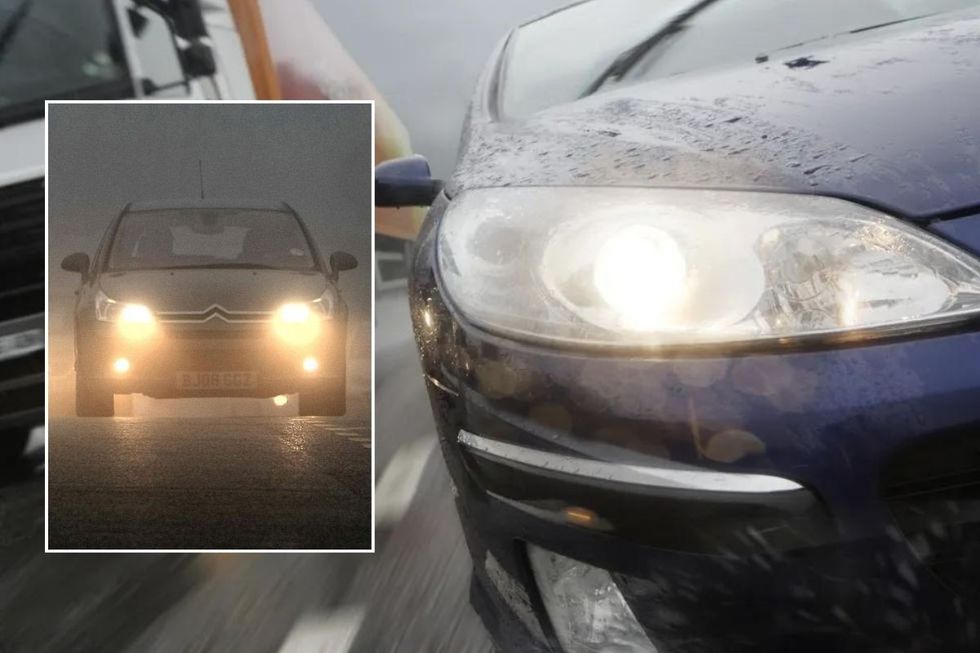 Millions of motorists across the country continue to be impacted by bright headlights | PA/GETTY
Dick Lovett explained: "Switching your rear-view mirror into night mode makes the mirror darker and minimises the intensity of reflections from vehicles behind you."
In older cars, this can be activated by flipping the small tab at the bottom of the mirror towards you. In many modern vehicles, the feature adjusts automatically.
It is illegal to drive with faulty front or rear lights, so motorists should always check their lights are working before setting off.
Using the correct beam is just as important, experts stated. Dipped headlights should be used at night and in poor visibility.
Full beams are designed for dark, empty roads and must be switched back to dipped when approaching other vehicles.
LATEST DEVELOPMENTS
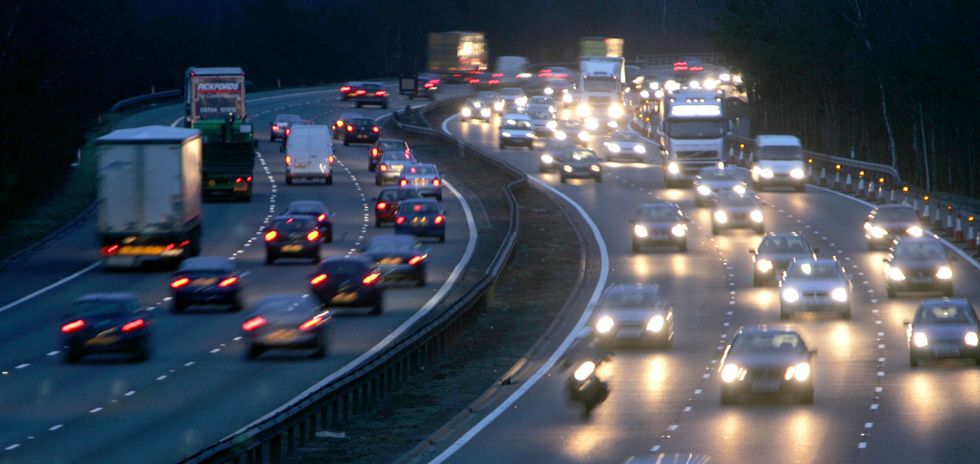 Experts warned drivers of the impact headlight glare has on UK roads | PA
Previous RAC research found that 79 per cent of drivers struggle to tell when some vehicles are indicating, while 77 per cent find it difficult to judge the position of oncoming cars because headlights are so bright.
Dick Lovett warned: "Misaligned headlights can reduce your ability to see clearly at night and may dazzle oncoming drivers."
Many newer vehicles adjust automatically, but some allow manual adjustment using a dashboard dial marked with a headlight symbol and numbered settings.
Anti-reflective or anti-glare glasses can also help reduce dazzle by minimising reflections and improving contrast in low light.
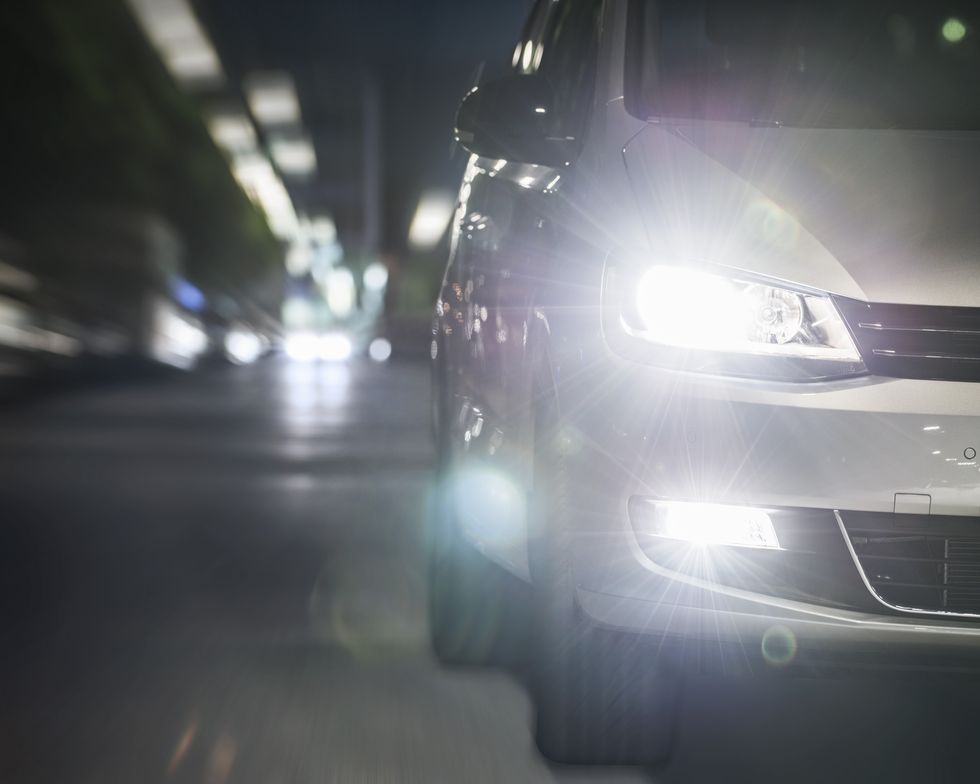 Headlight glare can cause drivers to lose focus while travelling on roads | GETTY
Some motorists may also suffer from astigmatism, which can cause blurred vision or halos around lights at night.
High street opticians such as Specsavers warned that mild astigmatism can often be corrected with standard lenses, while stronger cases may require specialist toric lenses.
Drivers have also been reminded that failing to wear prescription glasses when legally required can result in a fine of up to £1,000 and three penalty points.
Reducing speed, increasing the distance from the vehicle in front and staying alert for pedestrians or hazards can all make a significant difference.
"Small adjustments to your driving habits and vehicle settings can greatly improve safety and confidence when travelling at night," the experts said.