




The use of Clean Air Zones has been found to have helped cut pollution across England and Wales, with most areas now meeting the Government's legal air quality limits years ahead of schedule.
New analysis by electric vehicle charging firm Believ showed that 99 per cent of neighbourhoods now meet the UK's legal limit for fine particle pollution, known as PM2.5.
The improvement comes as Clean Air Zones operate in cities including Bath, Birmingham, Bristol, Sheffield, Bradford, Portsmouth and Newcastle upon Tyne.
These schemes charge drivers of older, more polluting petrol and diesel vehicles a daily fee to enter certain parts of the city, to reduce harmful emissions from traffic.
The research suggested the measures, alongside cleaner vehicles and transport changes, have helped to improve air quality faster than expected.
Only one local authority, the City of London, still fails to meet the Government's 2030 target for average levels of PM2.5 pollution.
Overall, around a third of councils have only recently brought pollution below the legal limit, joining the 65 per cent that had already reached the target.
Every neighbourhood in England and Wales also now meets legal limits for nitrogen dioxide, another major pollutant linked to vehicle exhaust fumes.
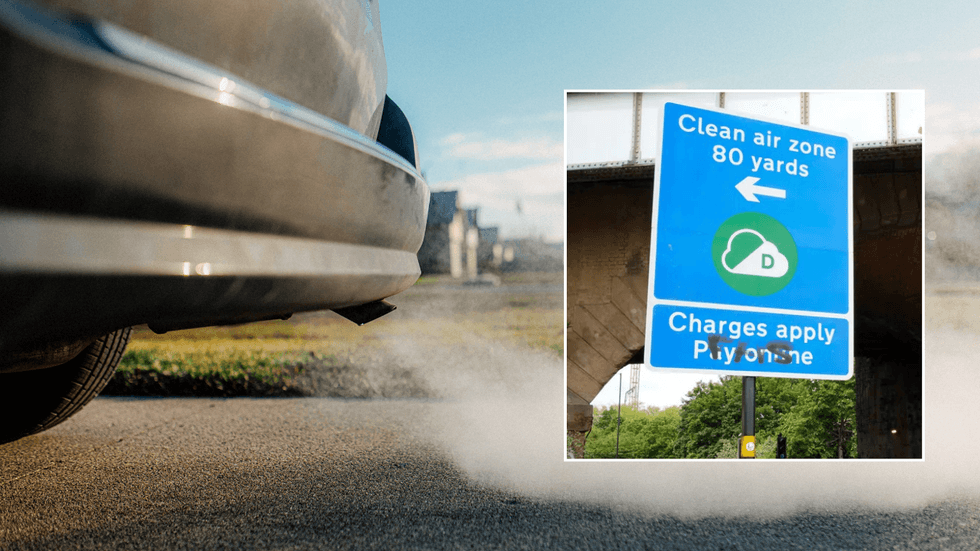
The report showed improved air pollution levels across England and Wales
|GETTY/PA
The research identified Portsmouth, Brighton and Hove and Medway as the top performers for reducing fine particle pollution.
Meanwhile, Scotland and Northern Ireland have gone even further, with every local authority in both nations now meeting stricter air quality guidelines set by the World Health Organisation.
However, some English regions still fall short of those tougher international standards. No areas in London, the South East of England, Yorkshire and the Humber, the East Midlands or the East of England improved enough to meet the WHO guideline.
Clean Air Zones operate 24 hours a day, seven days a week, with charges applying from midnight to midnight. Private cars are exempt from charges in most areas, with the fees mainly aimed at commercial vehicles such as vans, taxis, buses and heavy goods vehicles.
LATEST DEVELOPMENTS
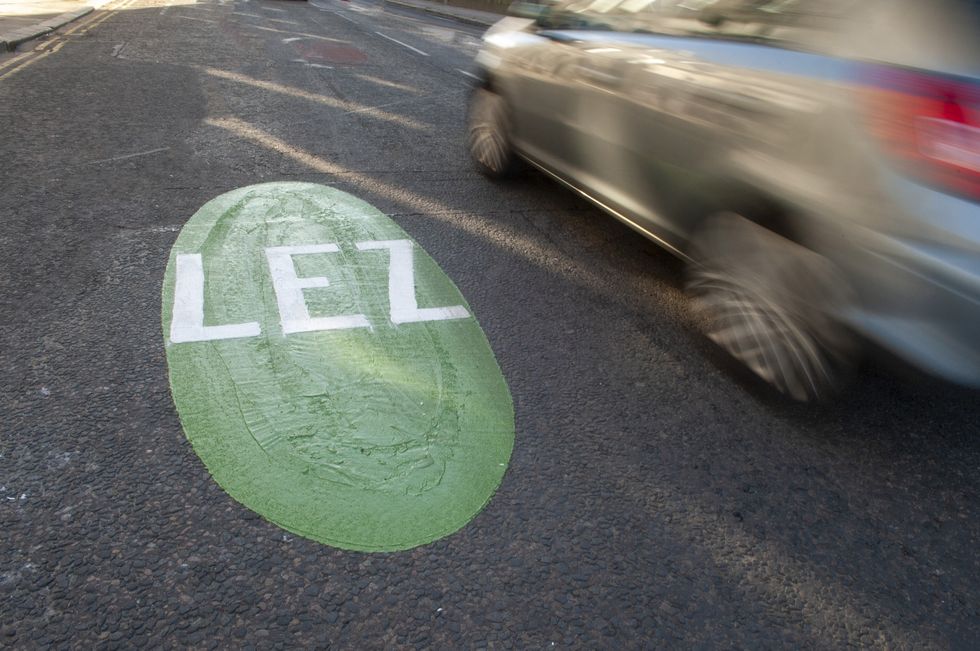 The LEZ prevents certain vehicles from entering emission zones | ABERDEEN CITY COUNCIL
Charges vary between cities. In Bradford, taxis pay £7 a day, while in Bath, Birmingham and Bristol, buses, coaches and lorries can be charged up to £100 per day.
Portsmouth introduced its Clean Air Zone in November 2021, charging £10 for taxis and £50 for heavy vehicles such as buses and lorries. Drivers who fail to pay within six days can receive a penalty charge notice of up to £120.
Health experts warned that air pollution still poses serious risks despite the improvements. Stephen Holgate, Professor of Immunopharmacology at the University of Southampton, said pollution has widespread health impacts.
He said: "Pollution accelerates ageing in all organs within the human body, and 700 diseases, from osteoporosis to dementia, are linked to pollution. This is no longer just an environmental issue. It is a public health issue."
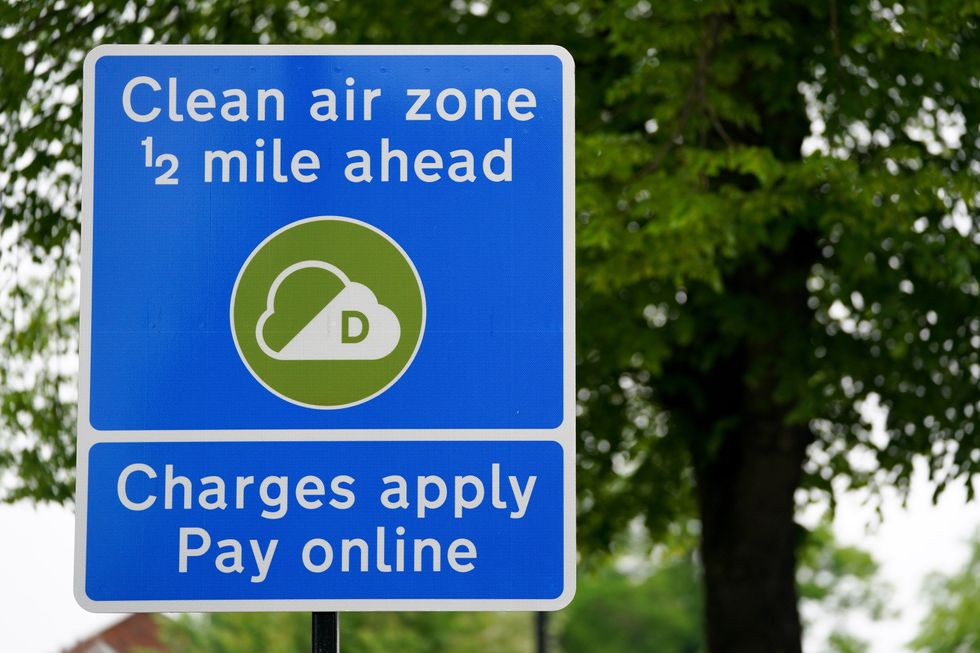
Drivers must pay a daily fee to enter certain Clean Air Zones in the UK
| PAAir pollution is estimated to contribute to around 36,000 premature deaths each year in the UK, while long-term exposure to PM2.5 has been linked to heart disease, strokes, lung cancer, respiratory infections, and complications during pregnancy.
Despite the progress, four in five local authorities still exceed the stricter WHO guideline, while 95 per cent of neighbourhoods remain above that international benchmark. Guy Bartlett, chief executive of Believ, said the figures show local policies are making a difference.
He said: "This shows local action on cleaner transport, energy and planning can deliver real results. Clean air should not be a postcode lottery. Every community deserves air that is safe to breathe."
Believ compared pollution data from 2017-2019 with 2022-2024, excluding pandemic years, and found pollution levels have fallen by around six per cent nationwide.