










Labour could unveil sweeping new driving licence rules as ministers face growing pressure to clamp down on road deaths among young motorists.
Road safety charity Brake explained that there is strong public backing for tougher laws, after new research suggested most Britons want stricter rules before new drivers are allowed on the road.
A poll of 3,000 adults, carried out by OnePoll in July 2025, found more than three-quarters support strengthening the current system to reduce serious crashes.
Data shows that every year, 4,740 people are killed or seriously injured in collisions involving drivers aged between 17 and 24.
TRENDING
Stories
Videos
Your Say
Brake's chief executive Ross Moorlock said: "Public opinion is on our side. It's time for the Government to listen, step up and take action to tackle unacceptable death and injury."
The charity said 72 per cent of people believe changes to the licensing system are needed to save lives while travelling on UK roads.
The Department for Transport has now launched a consultation that could lead to the biggest shake-up of driving tests in almost 90 years.
Ministers are considering bringing in a minimum waiting period between passing the theory test and taking the practical test. The consultation opened on January 7 and will close at 11.59pm on May 11.
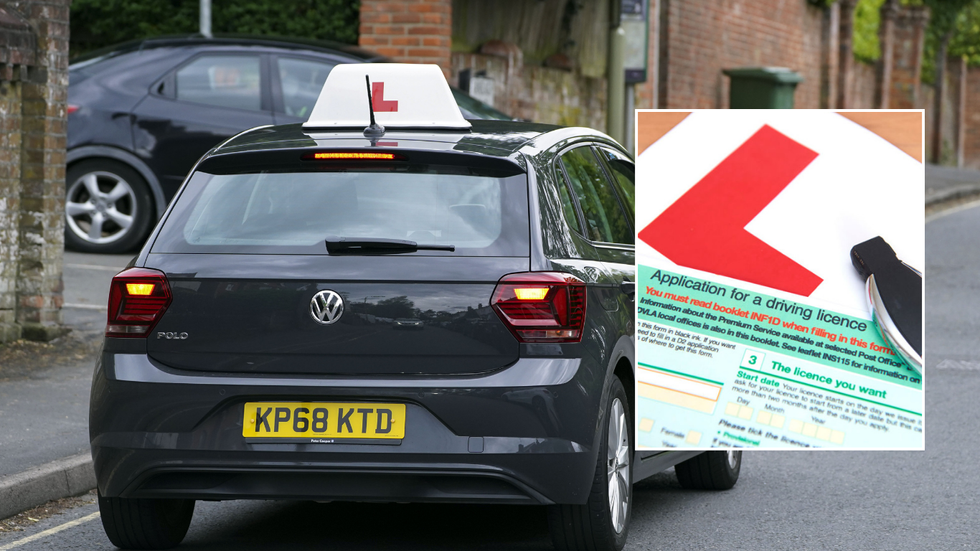
Brake has called on the Government to introduce tougher driving licence rules to improve road safety
| GETTY/PATransport Minister Lilian Greenwood said: "This consultation is seeking views on potentially introducing the biggest change to the learning to drive journey since the introduction of the driving test 90 years ago."
Other proposals include requiring learner drivers to complete a minimum number of supervised driving hours and follow a more structured training programme.
Brake is now urging the public to respond before the deadline, with official figures showing that young drivers are involved in a disproportionate number of serious crashes.
Although they make up just six per cent of licence holders in Great Britain, drivers aged 17 to 24 were involved in 24 per cent of fatal and serious collisions in 2024, raising serious safety concerns.
LATEST DEVELOPMENTS
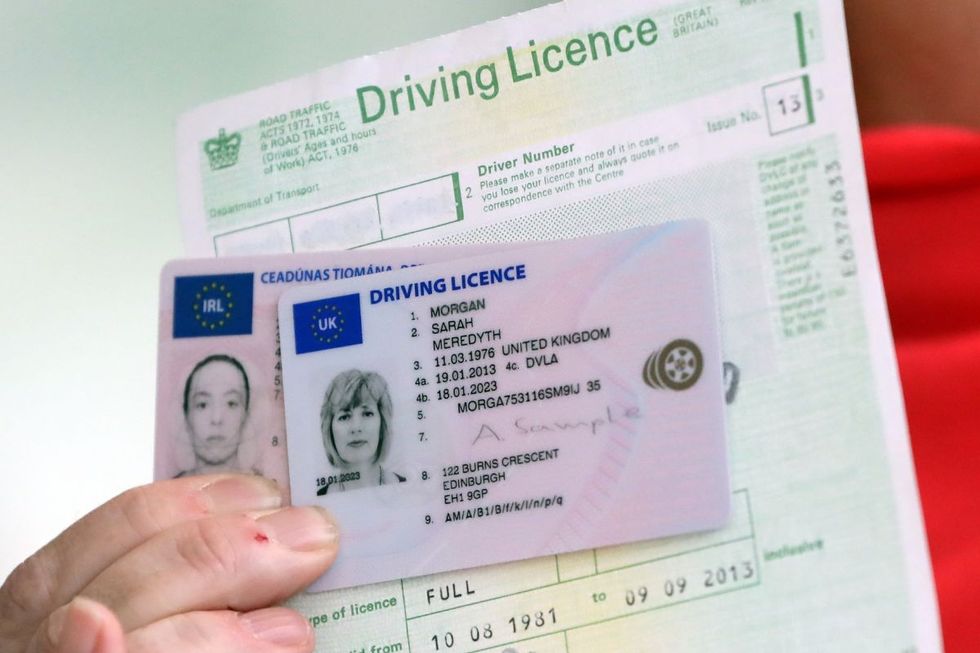 The new driving licence proposals hope to reduce fatalities on UK roads | GETTY
While deaths in this group have fallen sharply over the past decades, from 448 in 1990 to 73 in 2024, ministers stated they still represent one of the highest-risk groups on the road, particularly young men.
Evidence from countries such as Canada and the US suggested stricter learning rules could help cut collisions by between five and 33 per cent.
The Government is also looking at wider driving changes, including whether to introduce lower drink-drive limits for new drivers in England and Wales.
A separate consultation, running until May 11, is currently examining drink and drug driving, seatbelt enforcement and penalties for failing to stop after a crash.
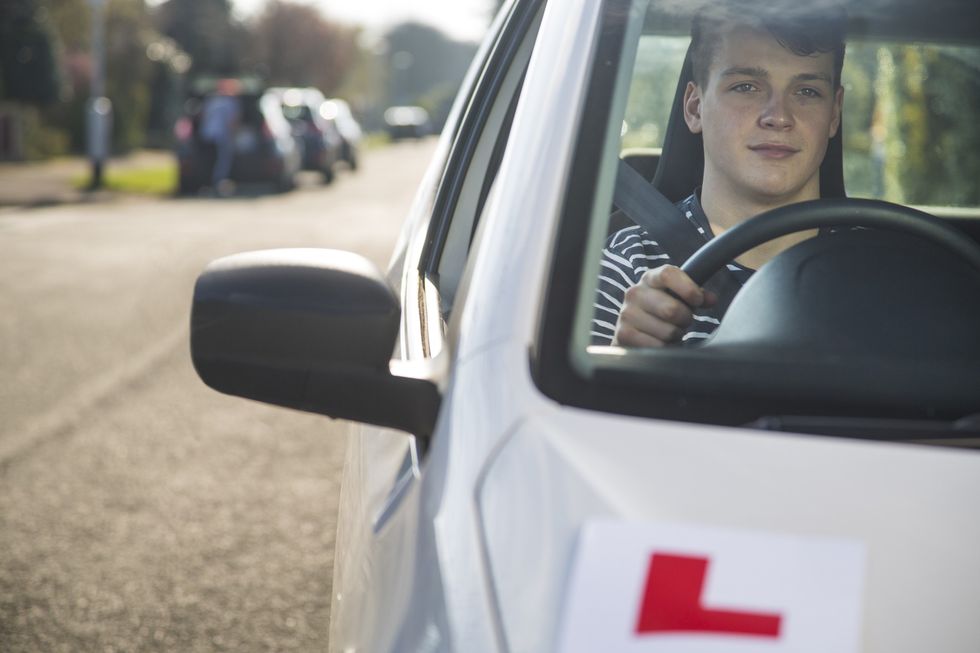
Young drivers are more at risk of road fatalities than any other age group
| GETTYMs Greenwood praised campaigners who have pushed for tougher rules, including bereaved families.
She said: "I have been hugely impressed with the vigour that members of Forget-Me-Not-Families Uniting group and other campaigners have put into campaigning on the issue of protections for younger drivers.
"I admire their courage, their dedication to road safety and their determination to ensure other families do not face the same grief."
Under the plans, learner drivers could be required to log their practice hours and complete training in different conditions, such as night driving and bad weather.
Research from Australia suggested these types of measures can significantly increase experience behind the wheel before drivers take their test.