










Petrol cars are cheaper to own than electric vehicles in most cases, according to a new landmark study examining costs over a set period.
An in-depth study by Auto Express revealed that traditional fuel-powered cars come out on top financially in four out of five head-to-head comparisons with their electric equivalents.
The organisation analysed five popular models alongside their battery-powered versions, calculating the total cost of ownership over three years and 36,000 miles.
The figures included looking at upfront prices, depreciation, insurance, servicing, as well as real-world charging or fuel costs.
TRENDING
Stories
Videos
Your Say
Despite electric cars being far cheaper to charge than petrol or diesel models are to fill up, the overall sums tell a different story.
The research comes at a crucial time in the UK when the Government plans to push ahead with its Zero Emission Vehicle mandate, which requires all new petrol and diesel car sales to be electric by 2030.
Tom Jervis, consumer reporter at Auto Express, said: "Electric cars are still dramatically cheaper to charge than petrol models are to fuel, but our data shows that doesn't automatically mean they're cheaper to own. Once you factor in depreciation, insurance and upfront prices, the savings can disappear very quickly."
Depreciation, which is how much value a car loses, proved to be the biggest factor. In some cases, it accounted for more than 80 per cent of the total cost of owning an EV over three years.
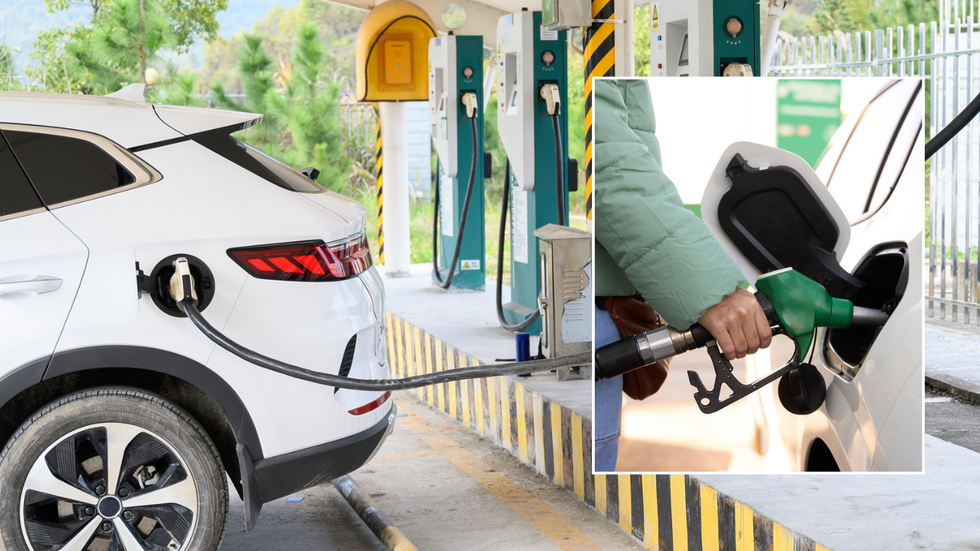
Petrol cars were found to be cheaper in the long run compared to electric vehicles
| GETTYFor example, the Vauxhall Corsa Electric was predicted to retain just 33 per cent of its original value after three years. However, the petrol Vauxhall Corsa, by contrast, was expected to hold on to 47 per cent.
A similar pattern was seen with BMW models. The electric BMW i4 was forecast to lose nearly £32,000 over three years, keeping only 40 per cent of its list price. The petrol BMW 4 Series Gran Coupe was expected to retain around half its value.
The Volkswagen ID.3 also performed worse on depreciation, losing more than £21,000, compared with under £18,000 for the petrol Volkswagen Golf.
Insurance was another area where electric drivers were found to be paying more. Over three years, some EV owners could face nearly £1,000 extra in premiums. The BMW i4, for instance, racked up insurance costs of £4,700 across the period, compared with £3,867 for the 4 Series Gran Coupe.
LATEST DEVELOPMENTS
- Major car brands recall 700k vehicles amid serious issues including fire risk - 'Park outside and away from structures'
- Chinese car brand unveils 'powerful' new partnership as it looks to accelerate UK expansion
- Popular car garage to wind down UK operations with 700 jobs at risk - full list of impacted locations
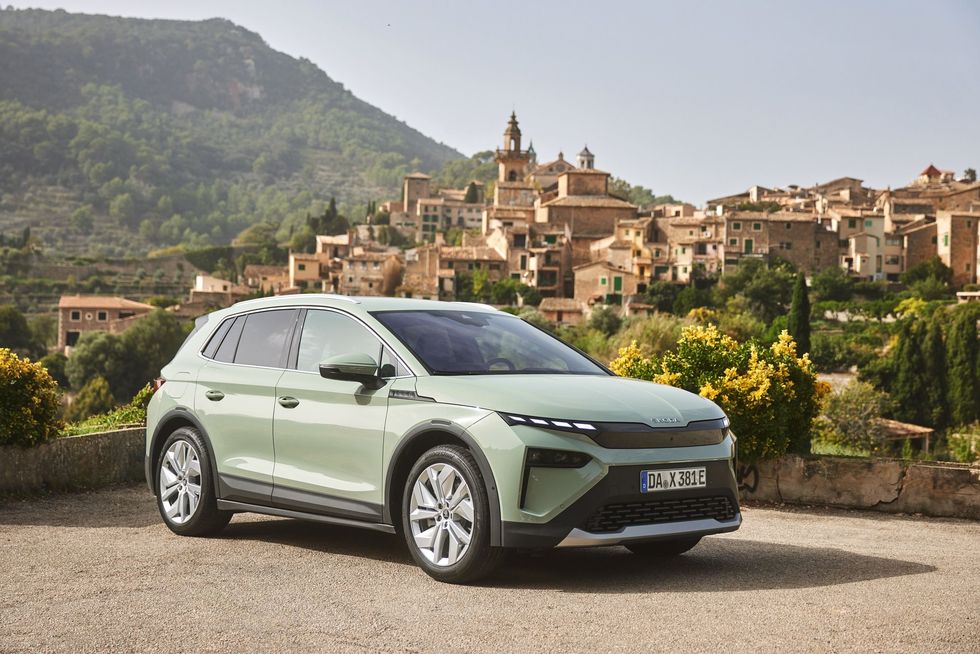
The Skoda Elroq was found to need just one service in three years, costing £318
| SKODAHowever, electric cars do have some clear financial advantages. Servicing is generally cheaper because EVs have fewer moving parts. Mr Jervis explained that, given there are fewer moving parts in an electric car, "the price of servicing an EV is consistently lower".
The new electric Skoda Elroq needs just one service in three years, costing £318. The petrol Skoda Karoq requires more maintenance, totalling £552.
The biggest gap was between the Corsa models. The electric version costs £283 to service over three years, compared with £986 for the petrol car – a difference of more than £700.
Charging costs also varied hugely depending on where drivers plug in. Using average off-peak home electricity rates, running a Volkswagen ID.3 for 36,000 miles costs just over £1,500. Fuel for the equivalent Golf would cost nearly £3,900.
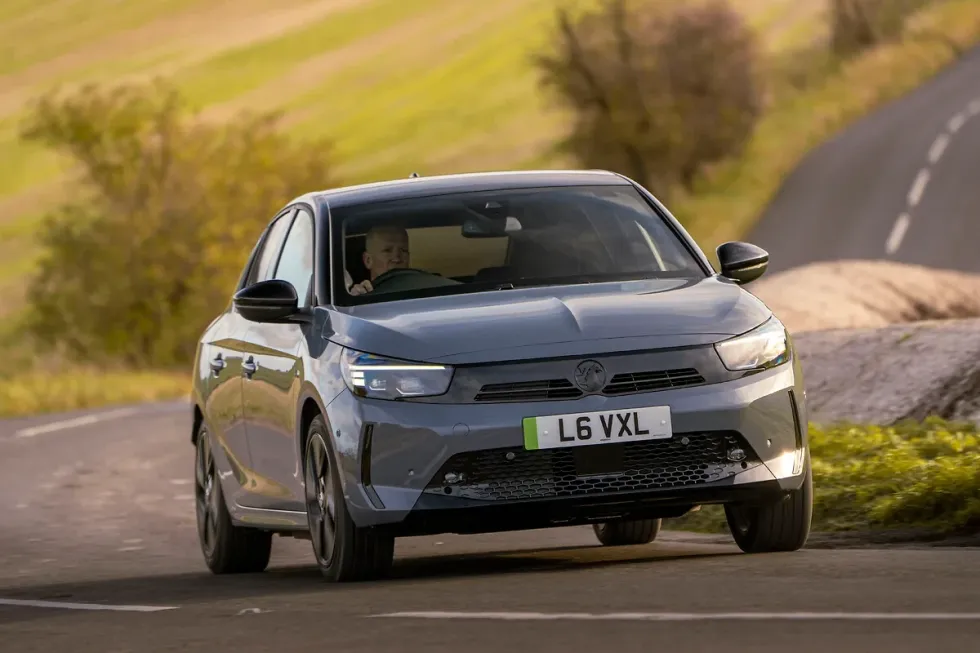
The Vauxhall Corsa Electrica was found to retain only 33 per cent of its original value after three years
| STELLANTISMr Jervis said: "We found that charging an EV at home costs less than half the price of petrol in every scenario we tested. But drivers relying on public rapid chargers could actually end up paying as much, or even more, than petrol, which completely changes the financial equation."
If a driver depends on public rapid chargers at typical UK prices, the ID.3's charging bill jumps to almost £4,500 over three years – making it more than 15 per cent more expensive than petrol. Higher VAT on public charging compared with home electricity adds to the problem.
Paul Barker, editor at Auto Express, said the answer is not straightforward. "EVs' faster drops in value hamper their chances, and insurance is generally more expensive, but this is countered by fuel and servicing savings," he said.
He added: "What's clear is that buyers need to be smart and look forensically at the specific car they want if financial prudence matters. It's not as simple as assuming an EV will be cheaper or more expensive."
In the final reckoning, the Skoda Elroq was almost £5,000 cheaper than its petrol equivalent overall. But in contrast, the BMW 4 Series proved more than £5,600 cheaper to own than the i4.