









The number of drivers with non-visible disabilities being approved for Blue Badge parking permits has tripled in the last three years.
Rule changes were introduced in 2019 that allowed people with "hidden disabilities" to apply for Blue Badges for the first time.
The aim of this was to allow people with certain conditions, such as dementia and arthritis, to benefit from Blue Badge parking permits.
Data shows that the number of Blue Badges handed out for hidden disabilities has jumped from 18,000 a year in 2021 to 55,000 last year.
Motorists may be eligible for a Blue Badge for a number of reasons, including if they cannot walk, they have a life-limiting illness, or they have children under three with medical conditions.
Other reasons include if they are "constantly a significant risk" to themselves or others near vehicles, in traffic or car parks, or they "struggle severely" to plan or follow a journey.
Local councils are tasked with deciding if someone is eligible for a Blue Badge, which requires them to have all necessary evidence.
This includes proof of identity, proof of address, a recent head and shoulders digital photo, their national insurance number and other contact details.
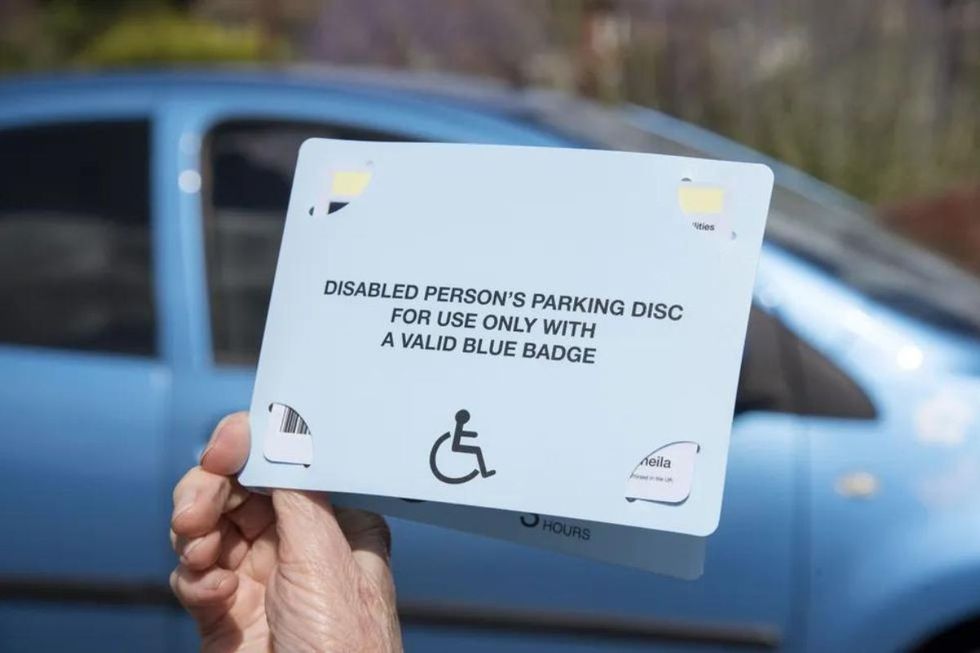
Drivers with ADHD and other hidden disabilities are able to apply for Blue Badges
| GETTYThe Telegraph highlighted how some experts have warned of drivers taking advantage of the scheme as people were being "overdiagnosed" with certain conditions.
A report from Policy Exchange stated that public services were being stretched by people being diagnosed with measures relating to mental health and neurodivergence.
Some social media users have praised the recent rule changes allowing those with hidden disabilities to apply for Blue Badges.
One user in particular said anyone wanting to know more about the process could message her, noting that she had to write "a War and Peace" on how the condition impacted them.
LATEST DEVELOPMENTS
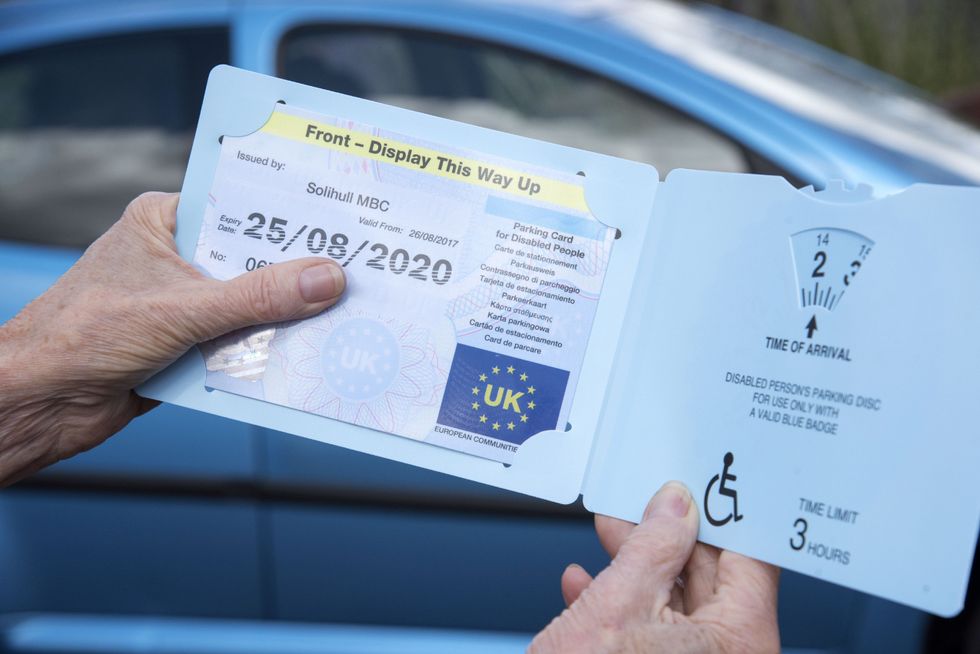
Around five per cent of drivers across England possess a Blue Badge
| GETTYOne in 20 people across England possesses a Blue Badge, with Department for Transport data showing that 5.2 per cent of people have a parking permit.
An NHS report from November last year cited a study that claimed 1.8 per cent of UK adults reported a professional diagnosis for ADHD.
It is estimated that ADHD costs around £17billion a year at a prevalence of 2.5 per cent, with high costs associated with not treating the disorder in childhood.
Speaking to The Telegraph, Dr Becky Spelman, from the Private Therapy Clinic, said Blue Badges for ADHD may give some groups an advantage, rather than being accommodating.
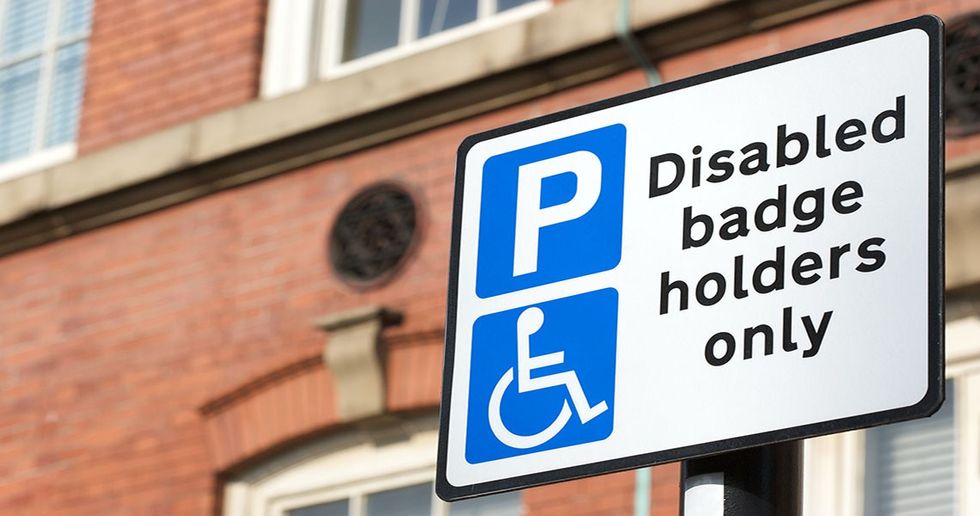
Drivers can get Blue Badges for a range of medical conditions
| GETTYDr Spelman, who has ADHD herself, admitted that she would "never apply" for a Blue Badge, describing it as "an abuse of a system" designed for those with "profound" mobility limitations.
A spokesperson for the DfT explained that a diagnosis of ADHD does not automatically qualify someone for a Blue Badge, with eligibility depending on the impact of the condition on their ability.
They added: "Local councils are responsible for assessing each application on its own merits, and have powers to tackle misuse of the scheme, which is a criminal offence.
"The Blue Badge scheme is a vital lifeline for many disabled people, and we are committed to ensuring it reaches those who genuinely need it."