







New MOT changes will be launching in the coming weeks that could impact hundreds of test garages across the UK.
From Friday, January 9, 2026, the Driver and Vehicle Standards Agency (DVSA) will introduce new rules for MOT testers.
The rules seek to limit testers and authorised examiner principals (AEP) from holding MOT roles during a disciplinary cessation of two or five years.
A tester may be subject to a cessation if they are "personally involved in any act that could lead to a single offence cessation of the authorisation of an authorised examiner".
Potential offences could include fraud, dishonesty, gross negligence or producing false documents to the DVSA or MOT training providers.
The new rules launching in January will rule out testers from holding any MOT roles for the entire duration of their cessation.
This will apply if they are the authorised examiner principal (AEP) of a single-site authorised examiner that has been issued a two or five-year cessation or a multi-site authorised examiner where all sites have been issued a two or five-year cessation.
Testers can be issued with penalty points if they break any MOT rules, which contribute to the issuing of a cessation notice.
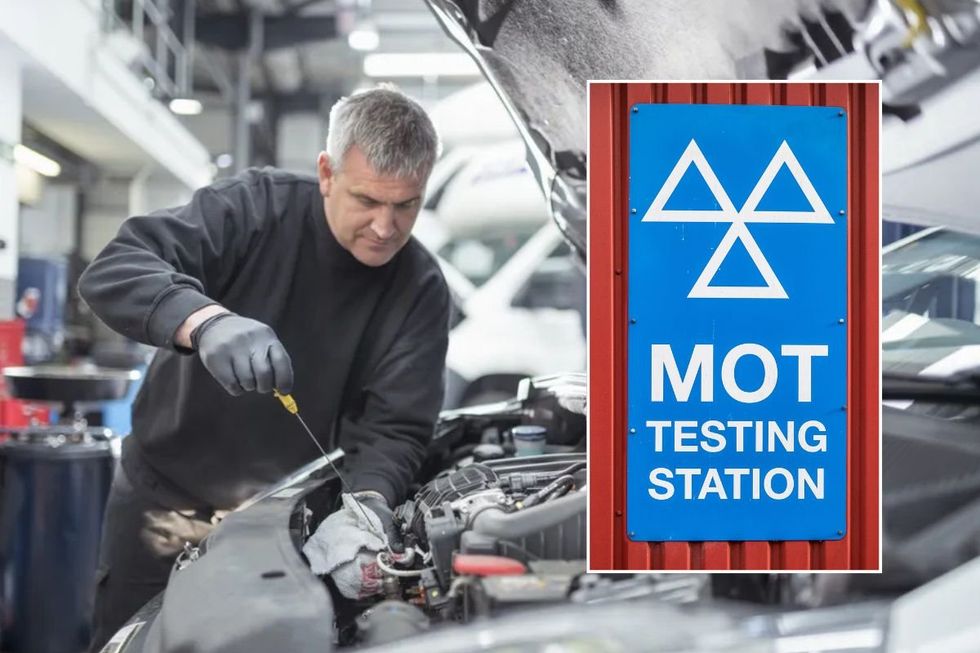
New MOT rules will be rolled out for test centres on January 9
| GETTYVery serious offences, like fraud, conviction or loss of good repute, can result in a tester being slapped with 500 points.
The DVSA stated that the MOT testing guide would be updated on January 9, 2026, to reflect the changes.
Other recent changes include adding "offences resulting in incarceration" to the list of offences that impact the good repute of a tester.
Similarly, additional information was added to Appendix Seven of the "convictions and repute" section of the MOT testing guide for test stations.
LATEST DEVELOPMENTS
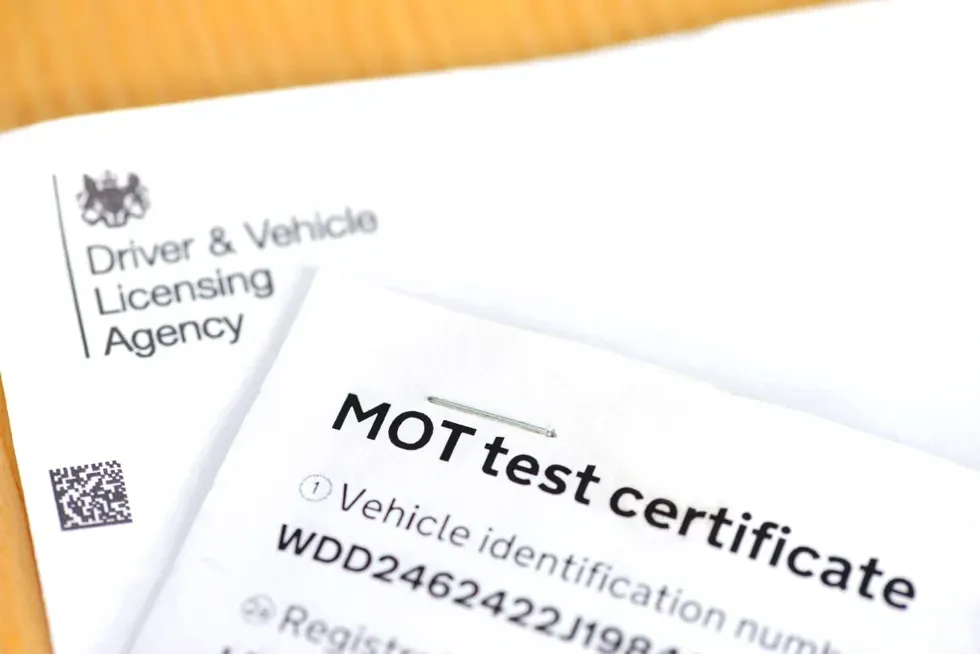 Motorists must take their vehicle for an MOT test every year | GETTY
It added: "This includes cases where a conviction has taken place, but sentencing is pending. When a sentence has been applied, the notification must include a DBS certificate dated after the conviction.
"If sentencing has not been completed, a court extract (or extract decree for Scottish convictions) must be included with the notification.
"When the person has been sentenced, we will require a further DBS certificate (dated after sentencing)."
MOT testing guides for test stations were also updated earlier this month to outline the definition of a heavy quadricycle.
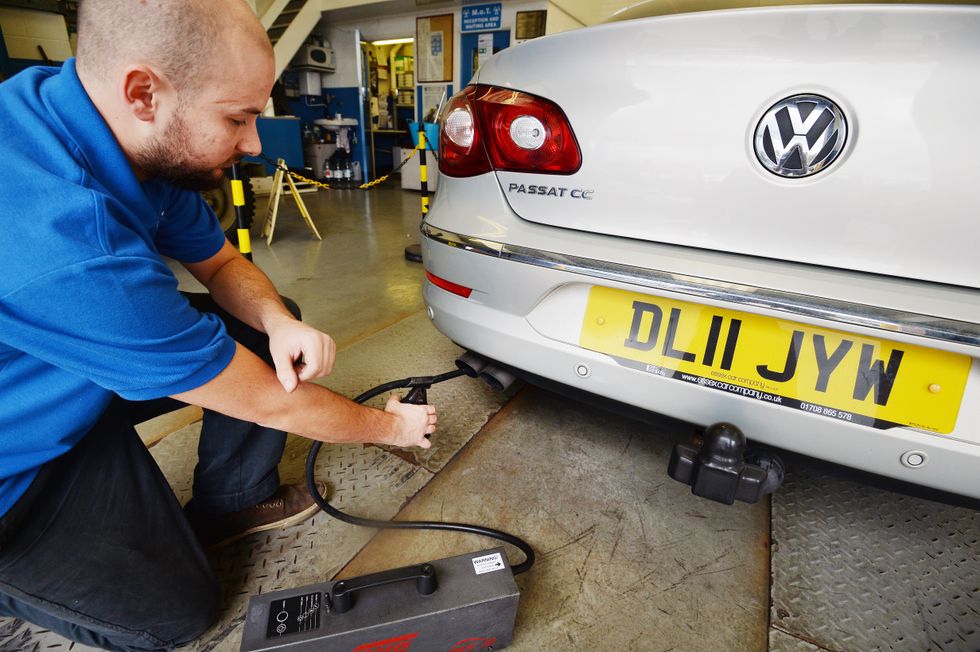
Experts have warned that less frequent MOT tests could impact road safety
| PAThey are defined as being a four-wheeled vehicle with a maximum unladen weight of 450kg (600kg for goods vehicles) and a design speed of over 45km/h.
Heavy quadricycles will also be over 50cc for internal combustion engines and a "net engine power not over 15kW". The payload must not exceed 1,000kg if designed for goods.
Despite proposals calling for the frequency of MOT tests to be amended, the Government has pushed back against any possible changes.
While a consultation has been launched in recent years, experts highlighted the potential safety impacts it could have if unchecked vehicles are on the road for longer than they should be without getting serviced.