










French manufacturing giant Renault has launched its new vehicle strategy to carry it into the next decade, with bold plans to release dozens of models in the next four years.
Renault Group, which includes its namesake Renault, Dacia and Alpine, has outlined its new futuREady strategic plan to maintain growth and "become the reference European carmaker".
Between now and 2030, Renault Group will launch 36 new models as it looks to accelerate its offering of electric vehicles and its presence across the world.
As part of this massive expansion, it aims to maintain an operating margin of between five and seven per cent of revenue, as well as an automotive free cash flow of around €1.5billion (£1.3billion) per year.
TRENDING
Stories
Videos
Your Say
Renault, as a standalone brand, will launch 12 new products, maintain hybrid technology and expand its electric offering, and introduce 14 new products internationally.
By 2030, Renault could have over two million annual vehicle sales, with half outside of Europe, in addition to 100 per cent electrified sales across the continent.
Dacia, which has quickly become one of the most popular brands for its cheap electric Spring option, will increase its EV lineup from one vehicle to four by the end of the decade.
It will also electrify two-thirds of sales, continue its offensive in the C segment and develop its 4x4s, hybrids and LPG (liquefied petroleum gas) vehicles.
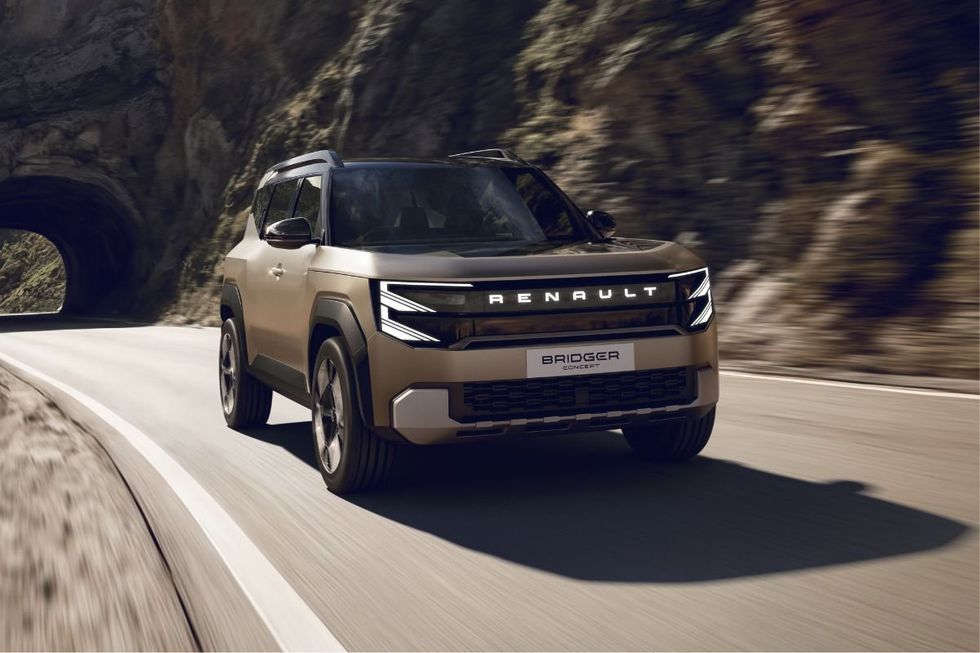
Renault Group brands will be launching 36 new models before 2030
|RENAULT
Renault Group has outlined growth for Alpine, which will include launching the new A110, building on the success of the A290 and A390, and developing personal offerings, including the A110 R Ultime.
François Provost, CEO of Renault Group, explained that he had been working with the whole team to develop a plan that will ensure "robust and sustainable performance".
Through the futuREady strategy, Renault Group aims to improve the customer experience and technological performance of the vehicles, including the "widespread" use of artificial intelligence.
He added: "Becoming Europe's reference carmaker means setting the ambition to design and produce in Europe products that are best‑in‑class in terms of desirability, technology and competitiveness.
LATEST DEVELOPMENTS
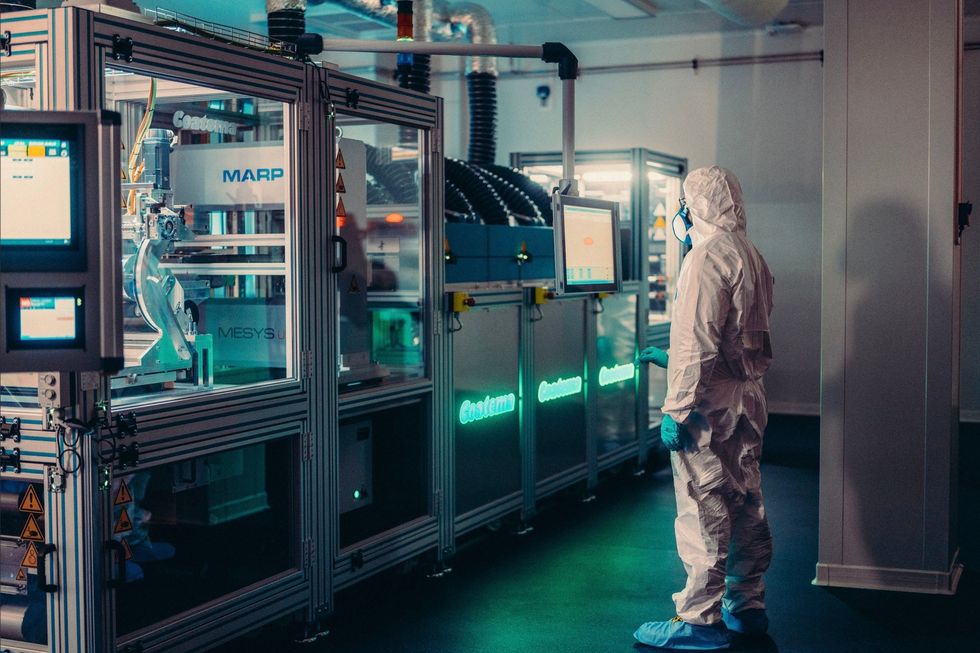
Renault will look to accelerate its development of electric and hybrid powertrain technologies over the coming years
|RENAULT
"In an increasingly competitive environment, this means combining performance and innovation with resilience and robust strength.
"This is what futuREady is all about. At Renault Group, we know where we come from. Today, we know where we want to go, how and who with."
Mr Provost said Renault Group would take steps to better serve customers and deliver affordable mobility tailored to driver demands.
The futuREady strategy will see Renault Group continue to expand in emerging markets, such as India, South America, and South Korea.
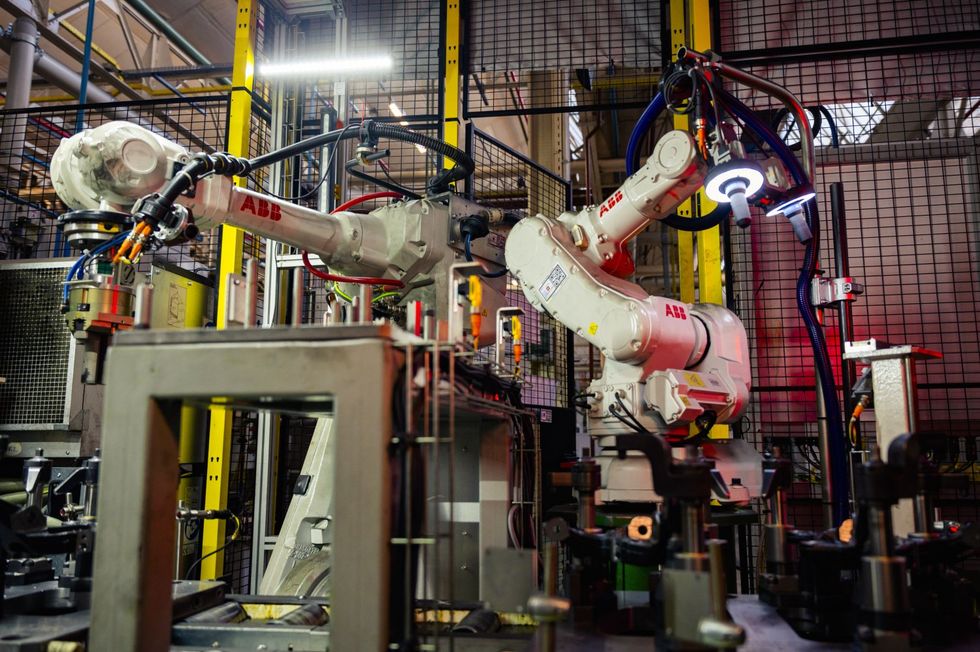
Renault Group confirmed that it would increase automation, including the use of humanoid robots
|RENAULT
It also outlined goals for electric vehicles, including its new RGEV medium 2.0 electric platform to develop C-segment small family cars.
This will see 20 per cent fewer parts, ultra-fast charging in 10 minutes by 2030, and ranges of 750km for EVs and 1,400km with a Range Extender, with emissions under 25g of CO2 per km.
Vehicle production has also been earmarked as benefitting from the new measures, including the use of 350 new-generation humanoid robots for heavy work, while 100 per cent of key manufacturing stages will be supervised by AI.
This is expected to halve downtime in Renault Group factories, cut energy consumption by 25 per cent and lead to a 20 per cent reduction in production costs.