










Food prices could rise sharply again next year, adding fresh pressure on household budgets.
Businesses are warning that the cost of everyday essentials may increase more than previously expected.
British firms have told the Bank of England that food inflation could climb to between six per cent and seven per cent during 2026, driven by rising energy costs and ongoing geopolitical tensions in the Middle East.
According to central bank data, companies had previously expected food price rises to ease, but now believe inflation will increase throughout the year instead.
The Bank’s research also found that the conflict in the Middle East has "eroded" business confidence in an economic recovery later this year.
Firms told Bank officials they are concerned about the conflict’s "potential impact on demand, supply chains and input costs", although most businesses not directly trading with the region say the effects on their operations have so far been limited.
The Bank's Decision Maker Panel survey, covering the three months to April, found that businesses anticipate raising their prices by 3.8 per cent over the coming year, representing a 0.3 percentage point increase compared with March's forecast.
Nearly two-thirds of company bosses surveyed, some 64 per cent, indicated they would respond to the recent energy shock by pushing up prices within the next 12 months.

Households face fresh cost of living blow
| GETTYSeparate intelligence gathered by the Bank's regional agents highlighted widespread anxiety about inflationary pressures.
Beyond the food sector, other industries have flagged worries about elevated transport and energy expenses feeding through to their cost base.
The Bank of England has also sounded the alarm over potential "dynamic pricing" in supermarkets, where costs could fluctuate based on demand levels.
While shoppers are accustomed to such variable pricing on platforms like Amazon and Uber, or when booking flights and concert tickets, the practice could soon extend to everyday essentials including groceries.
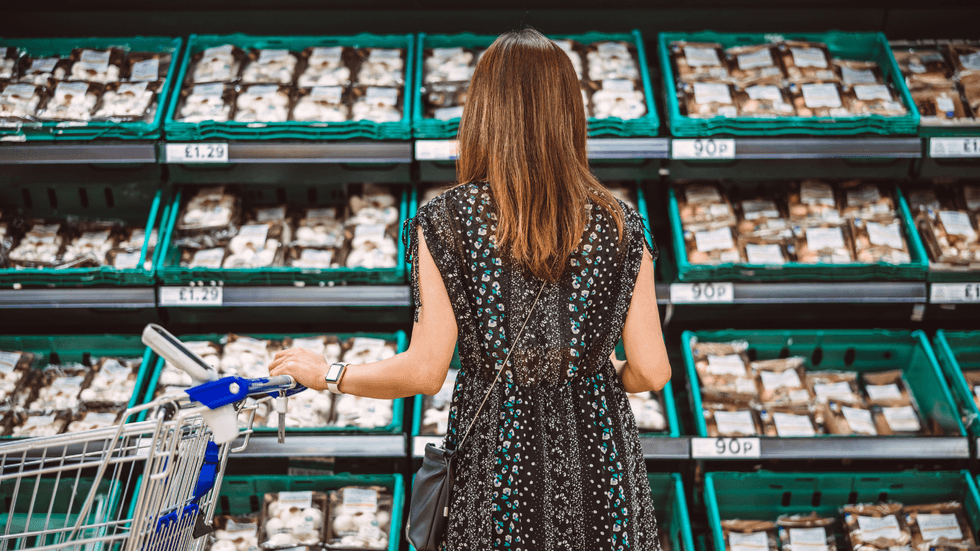
Shoppers are accustomed to such variable pricing on platforms like Amazon and Uber
| GETTYCentral bank figures indicate that a third of firms now plan to adopt "market-responsive pricing tools", a significant jump from the current one in five.
Clare Lombardelli, the Bank's deputy governor for monetary policy, noted that digitalisation has dramatically cut the expense of updating prices, historically known as "menu costs" due to the printing required.
Ms Lombardelli observed that electronic shelf labels, already common across European supermarkets, represent technology that could facilitate dynamic pricing in Britain.
Morrisons has announced plans to install digital price displays throughout all 497 of its stores.
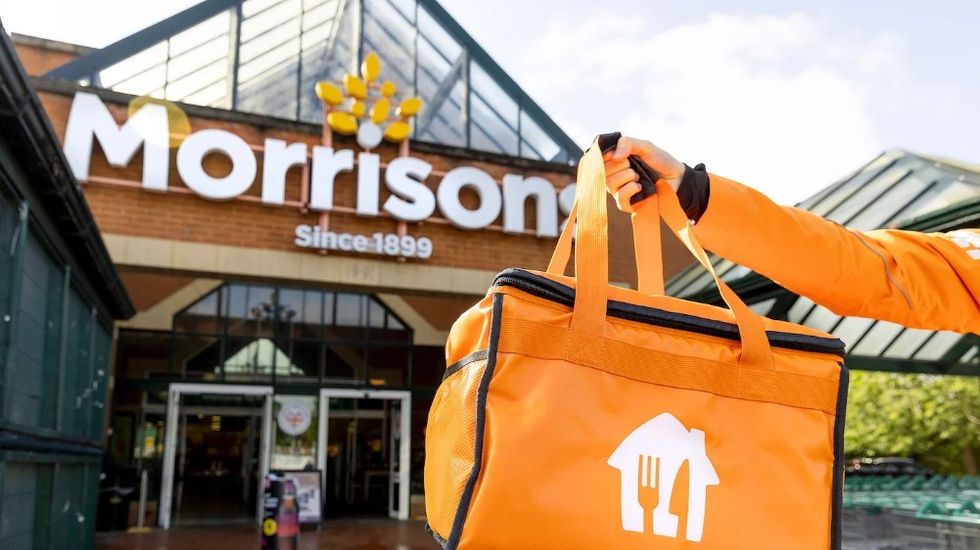
Morrisons has announced plans to install digital price displays throughout all 497 of its stores
| MorrisonsClive Black of stockbroker Shore Capital told The Times that while the primary motivation for digital displays is "operating efficiency, standardisation and compliance", the technology opens the door to variable pricing.
"Whether that is in the interest of shoppers or shareholders is a moot point," he added.
The British Retail Consortium has yet to establish a position on dynamic pricing but expects grocers to clarify their intentions shortly.
Such a shift would likely prove controversial, given food's status as an essential purchase.