









Labour's newly unveiled Road Safety Strategy has drawn a mixed reception from the insurance sector, which warned the measures fail to tackle the dangers facing young motorists.
The concern follows the consultation on introducing minimum learning periods for learner drivers, which would require a mandatory waiting time between passing the theory test and sitting the practical examination.
The Department for Transport describes this as potentially the most significant reform to the driving test system since its introduction 90 years ago.
However, insurance professionals argued the proposals focus too heavily on the pre-test phase while neglecting what happens once young people gain their full licences.
TRENDING
Stories
Videos
Your Say
Sarah Vaughan of Angelica Solutions suggested that Graduated Driver Licences represented a missed opportunity in the Government's approach.
The firm's analysis revealed that crashes involving younger motorists resulted in 44 per cent more killed or seriously injured casualties compared to those with older drivers during 2024.
Meanwhile, Alex Brockman, operations director at telematics insurtech ThingCo, voiced similar concerns about the post-test period.
He stated that the proposal to extend waiting times before practical tests "doesn't address the reality that the riskiest time for any driver is the first three months after passing their practical test".
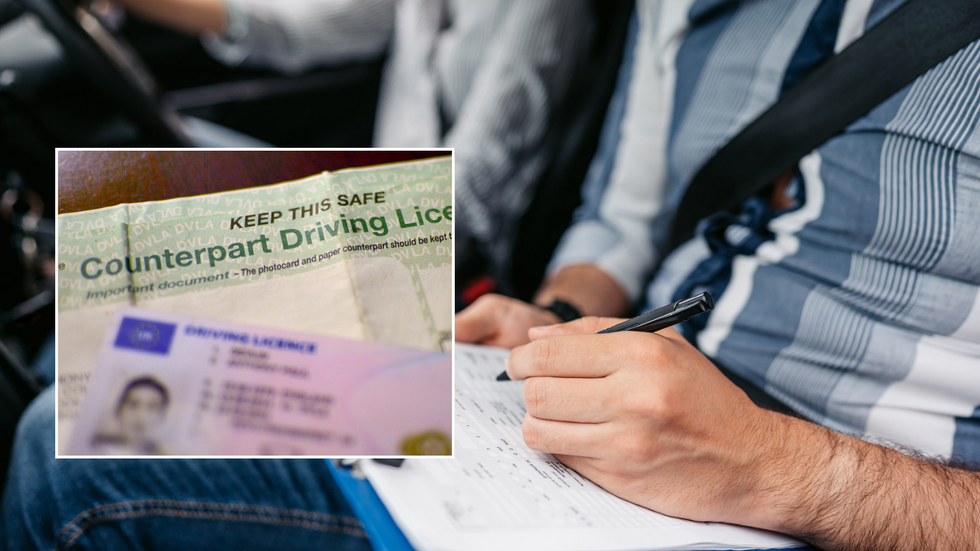
Insurance experts have warned that the new rules fail to improve road safety measures for young drivers
| PA/GETTYMr Brockman pointed to excessive speed during nighttime hours, pressure from young passengers, and alcohol consumption as the primary contributors to serious crashes involving newly qualified motorists.
Claim frequencies for new drivers rose significantly in the initial month following their test compared to when they held provisional licences, according to industry analysis.
Drivers between 17 and 24 years old represent just six per cent of all licence holders, yet were involved in nearly a quarter of fatal and serious collisions during 2024. In total, 273 people lost their lives in crashes involving young car drivers within that age bracket last year.
The figures show 1,376 young drivers aged 17 to 24 were killed or seriously injured as car occupants, alongside 1,077 passengers in the same age group.
LATEST DEVELOPMENTS
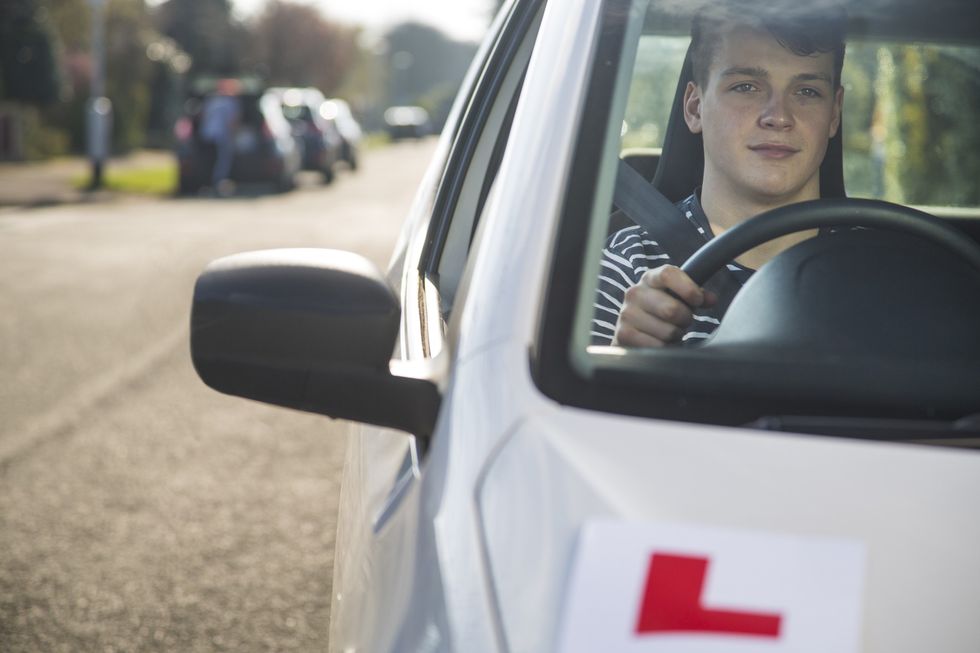
The Government failed to introduce Graduated Driving Licences for young motorists in its Road Safety Strategy
| GETTYWhen measured per billion miles travelled, young drivers were found to face casualty rates more than double those of motorists in their 30s and 40s.
ThingCo indicated it would submit recommendations to the consultation, including telematics products designed for young motorists, restrictions on carrying young passengers during the initial period after passing and graduated speed limits modelled on the system operating in Northern Ireland.
Ms Vaughan proposed that requiring telematics devices for newly qualified drivers during their first two years behind the wheel could offer "a practical middle ground".
Research cited a tenfold difference in claim frequency between telematics users with the highest and lowest driving scores.
"It's time we recognised them as a core part of the road safety ecosystem," Ms Vaughan said regarding the potential contribution insurers could make to improving safety outcomes.
 Young drivers have faced growing calls for licence restrictions | GETTY
Marco Distefano, managing director at AXA Retail, welcomed the Government's focus on speeding, mobile phone use and uninsured drivers. The consultation period opened this week and will accept submissions until March 31.
The Government acknowledged concerns about implementing additional requirements for those in certain employment, with caring responsibilities, or with disabilities.
Transport Minister Lilian Greenwood said: "Learning to drive is a huge moment in a young person's life. It's about more than just getting from A to B; it's about freedom and new opportunities. But with that freedom comes responsibility.
"This Government wants to support young people's access to work and education, while also keeping them safe on the roads."