








Labour has unveiled a major new road safety plan aimed at cutting deaths and serious injuries on UK roads by nearly two-thirds within the next 10 years.
Local Transport Minister Lillian Greenwood set out the strategy in the House of Commons, warning that the current situation on UK roads was unacceptable and needed urgent action.
The need for change comes after reports found more than 1,600 people were killed on Britain's roads last year, with almost 28,000 seriously injured.
Ms Greenwood said these figures have barely improved over the past decade, despite modern cars becoming much safer.
She described the last 10 years as "a lost decade" for road safety and said Britain has slipped down the European rankings.
The Minister also claimed the lack of a clear national strategy has cost the economy around £7billion a year in lost productivity due to deaths and serious injuries.
Under the new Road Safety Strategy, it will be built around four main areas, starting with protecting the most vulnerable road users.
Young drivers were found to be a major focus for the Government, with reports finding that people aged 17 to 24 were involved in nearly a quarter of fatal and serious crashes, despite making up just five per cent of licence holders.
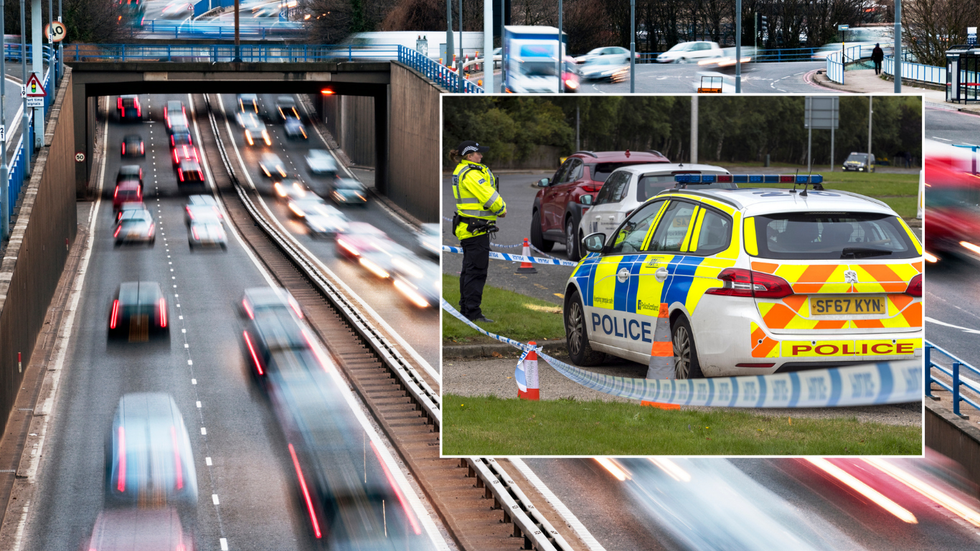
The new safety laws follow reports that 1,600 people were killed on Britain's roads last year
|GETTY
To combat this, the Government has launched consultations on a minimum learning period before learners can take their driving test and lower drink-drive limits.
Older motorists have also come into consideration, with findings showing 24 per cent of car drivers killed last year were aged 70 or over.
Ministers have launched a consultation on whether compulsory eyesight tests for drivers over 70 should be introduced, as well as possible cognitive checks to spot conditions such as dementia.
Motorcyclists, who were found to be far more likely to be killed or seriously hurt than car drivers, will also face changes. The Government plans to reform training and licensing and end the practice of riding indefinitely on L-plates.
LATEST DEVELOPMENTS
Ministers are also consulting on making 18 new safety features compulsory in new vehicles under the GB Type Approval Scheme to prevent more than 14,000 deaths and serious injuries over 15 years.
One of the key technologies is autonomous emergency braking, which has been championed by campaigner Mira Naran, whose son Dev was killed in a crash. The proposal is often referred to as "Dev's Law".
A new road safety investigation branch will also be created to cover the whole of Great Britain, which will be used to investigate serious incidents and make safety recommendations.
Police and NHS data will be shared more effectively to improve emergency responses and survival rates.
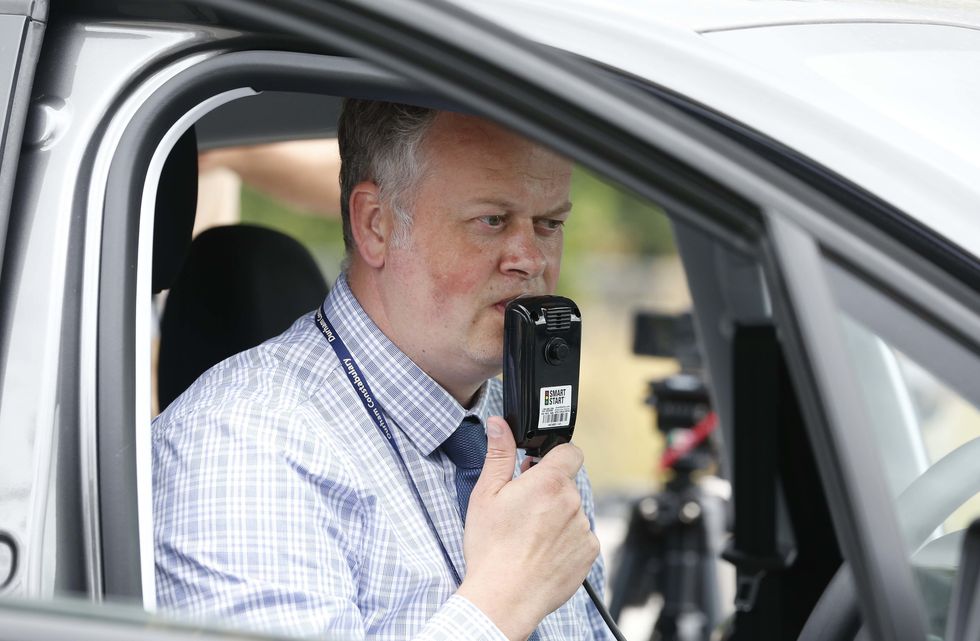
The new Road Safety Strategy hopes to discourage drink and drug driving offences
| PAInfrastructure was the third pillar, with the Government pledging £24billion between 2026 and 2030 for improvements to motorways and local roads.
Councils will get updated guidance on speed limits and camera enforcement, while road marking schemes that have worked in Scotland will be rolled out across England and Wales.
The final part of the plan deals with enforcement, with Greenwood issuing a clear warning to dangerous drivers.
"If you drive dangerously, if you drive illegally, if you make our roads less safe, you will face the consequences," she said.