








Labour has confirmed plans to bring in new laws for electric scooters and bikes this year, following growing concerns from the public.
The announcement came during questions in the House of Commons this morning, where MPs pressed ministers on rising e-scooter use across the country.
Ministers have told MPs the Government intends to bring forward new legislation to regulate micro‑mobility vehicles, including e‑scooters, as soon as parliamentary time allows.
Transport Minister Simon Lightwood confirmed while rental e‑scooter trials will continue, the Government remains committed to creating a clearer legal framework for these vehicles.
"We have extended e‑scooter trials until May 2028 to allow local authorities to test how the technology works," he said in the chamber. "We have also committed to pursuing legislation, when parliamentary time allows, for the full regulation of micromobility… so they work for all people."
The issue was raised following growing concern in constituencies where privately owned e‑scooters are being misused, ridden illegally and confiscated by police.
Under current law, riding a privately owned e‑scooter on a public road, pavement, or cycle lane remains a criminal offence.
Riders caught can face prosecution, penalty points and seizure of their vehicle, even though an estimated one million scooters are thought to be in circulation.
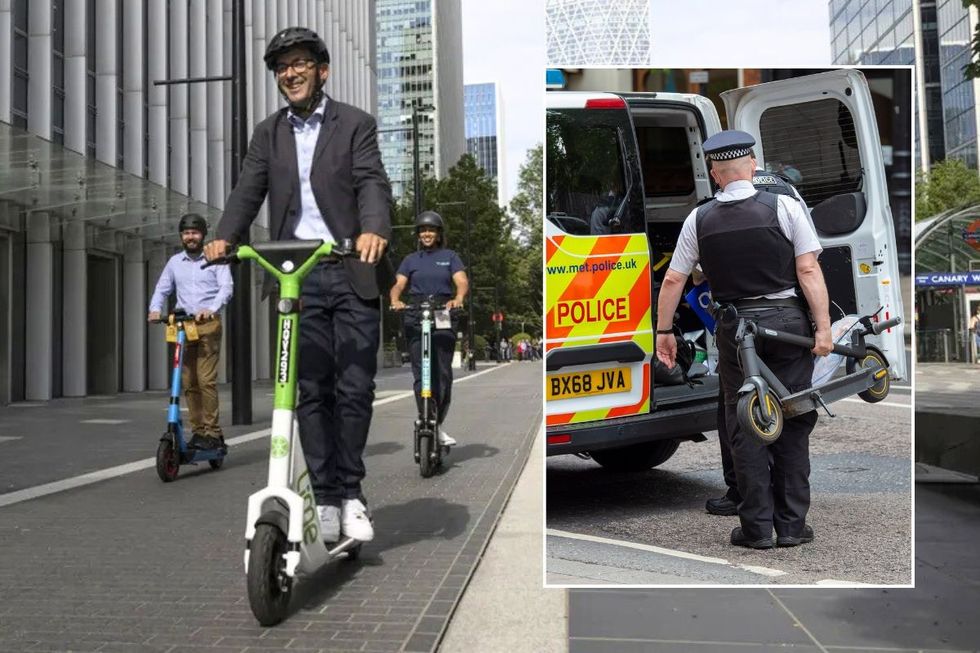
Labour revealed it will launch parliamentary action against e-scooters and bikes this year
| GETTYTom Hayes, MP for Bournemouth East, told the Commons his area has seen "unprecedented numbers of e‑scooter confiscations by police", describing the misuse of the vehicles as a serious antisocial problem.
He said both he and the local Police and Crime Commissioner were making the situation a priority, noting residents in Lytchett Minster and Iford have reported scooters being used by drug dealers and other offenders.
He urged the Government to consider stronger measures in future legislation, including compulsory registration and identification plates for privately owned e‑scooters, so offenders could be more easily tracked.
Mr Lightwood responded by stating any new regulatory framework would be subject to public consultation before being put into law.
LATEST DEVELOPMENTS
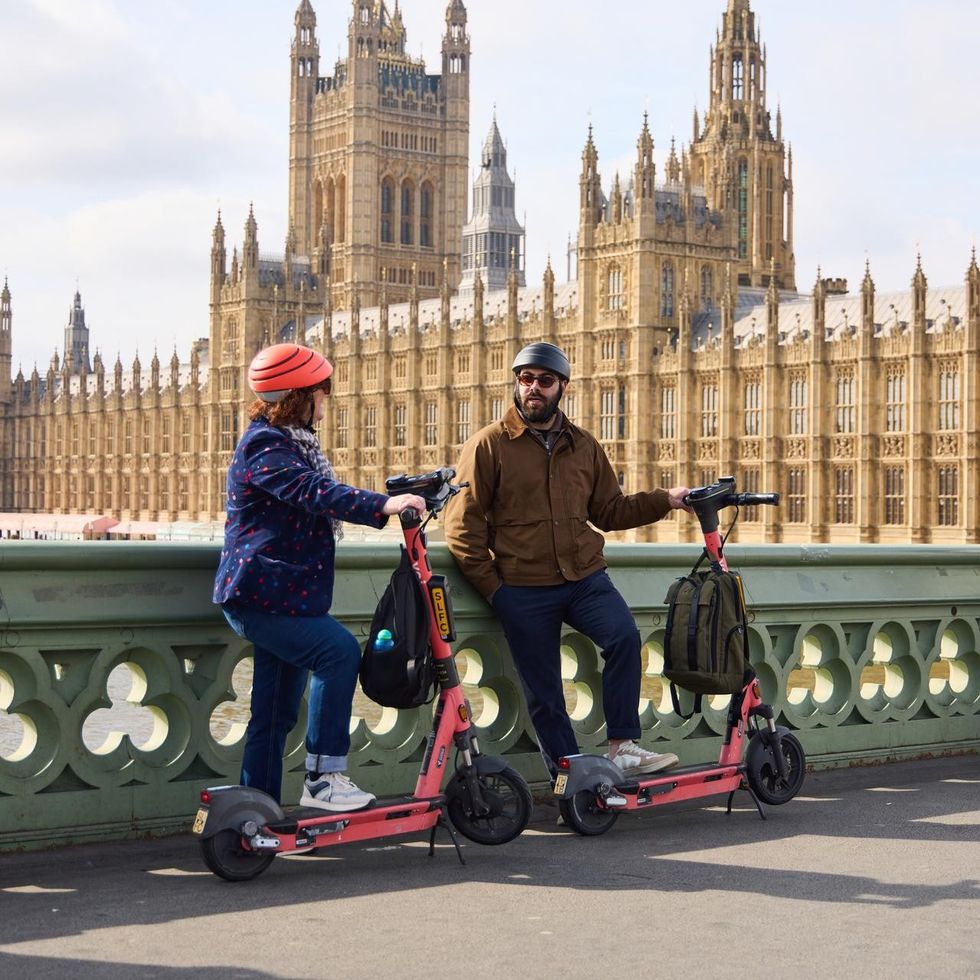
MPs have called for more to be done to crack down on e-scooters
| TFLHe confirmed potential measures included registration or licence plates, which would be carefully evaluated as part of that process, stressing the need to gather evidence and hear from stakeholders before imposing new requirements.
"Any future framework will be subject to public consultation before being enacted," he said, underlining the commitment to consult widely before finalising rules.
However, James Wild, MP for North West Norfolk, challenged Labour's approach, pointing out that around one million privately owned e‑scooters are already in the hands of the public but remain illegal to use on public roads.
He said he had bought an e‑scooter years ago, expecting legal use would have been permitted by now and criticised the Government for repeatedly extending trials instead of introducing proportionate regulation.
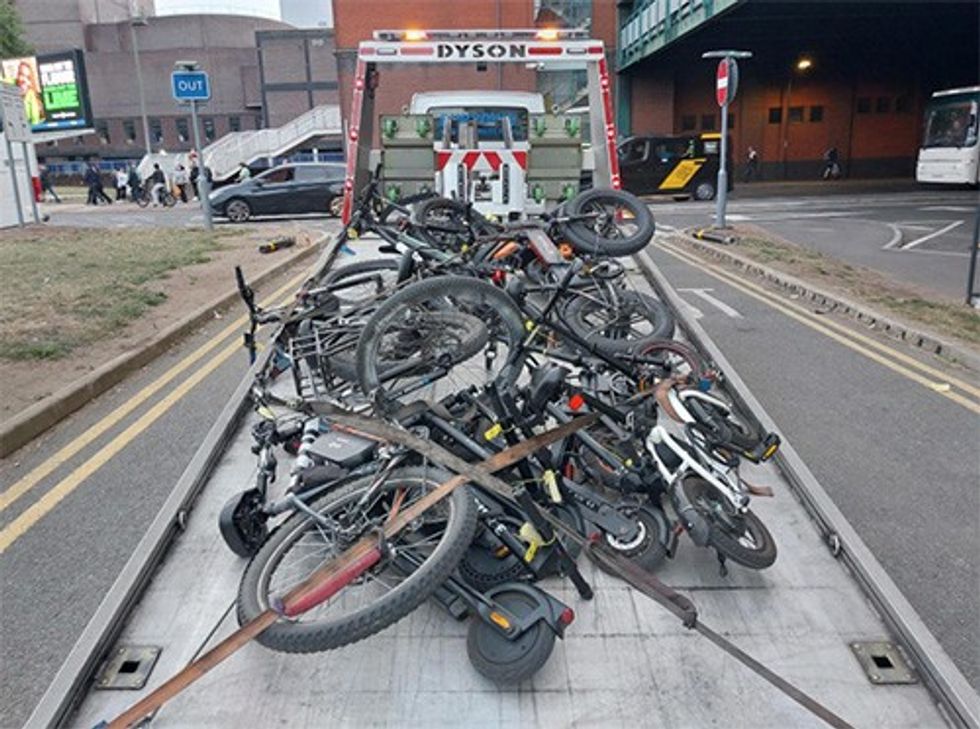
The police have been seizing e-bikes and e-scooters used illegally, which will now be crushed and destroyed
| DERBYSHIRE POLICEThe rental e‑scooter trials began in 2020 and were originally due to end this year. Ministers have extended them multiple times, most recently pushing the deadline to May 2028, to allow more time to build evidence around safety, usage patterns, and community impact.
In defending the extensions, Mr Lightwood said prolonging the trials would help the Government better understand key issues including safety for disabled people and pedestrians, and how e‑scooters fit alongside existing transport networks in towns and cities of different sizes.
He also argued a longer trial period gives the industry greater certainty and encourages continued investment, while allowing time to determine the best regulatory approach.
Government guidance on the trials stated the primary aim is to build robust evidence on safety, public perceptions and the wider impacts of e‑scooters so any future legal changes are well informed.
Our Standards: The GB News Editorial Charter