








Labour has been urged to tighten its support for electric vehicles, which have been seeing a huge rise in car sales and choice across Britain.
New figures from the Society of Motor Manufacturers and Traders showed the UK's electric vehicle market has grown dramatically over the past decade, with registrations soaring 46-fold since 2016.
But industry leaders warned that rising costs and weaker-than-expected demand mean ministers may need to rethink current targets.
The SMMT's chief executive, Mike Hawes, said changing economic conditions had made it harder for motorists to switch from petrol and diesel cars.
"Energy costs were much, much lower than they are now, but [since the outbreak of war in Ukraine] they have shot up, and they've remained higher," he said.
Under the revised rules introduced in 2024, carmakers must ensure 33 per cent of sales are fully electric this year or risk penalties. However, electric vehicles currently account for 23.1 per cent of the market despite strong recent growth.
Mr Hawes said expectations that electric cars would reach price parity with petrol and diesel vehicles had failed to materialise.
Battery costs are currently 31 per cent higher than forecast, while public charging costs have risen by 140 per cent over the past five years.
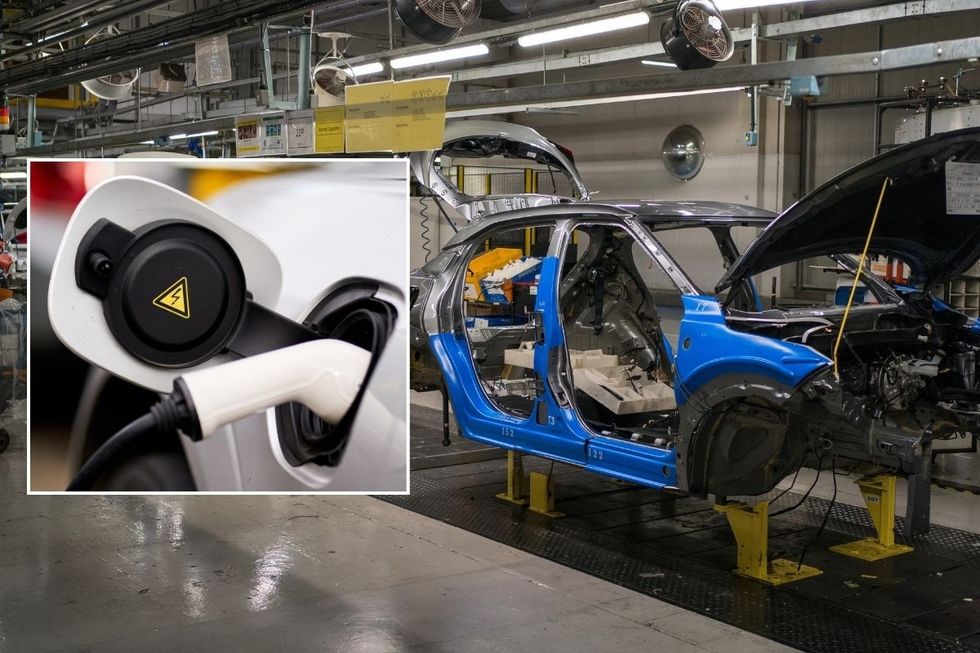
The SMMT warned the ZEV mandate could falter without more support from the Government
| PA"With those sorts of obstacles, it's much harder to get the entire market to move," Mr Hawes added. The warning came as new industry figures revealed the scale of Britain's electric vehicle boom.
The number of electric car models available in the UK has risen from just 14 in 2016 to 167 today, a 12-fold increase. Electric cars now make up two in every five models available in British showrooms.
The number of manufacturers selling electric vehicles has also climbed sharply, from 12 brands a decade ago to 51 today.
Registrations surged from just 10,264 electric vehicles in 2016 to 473,346 last year, with market share rising from 0.4 per cent to 23.4 per cent.
LATEST DEVELOPMENTS
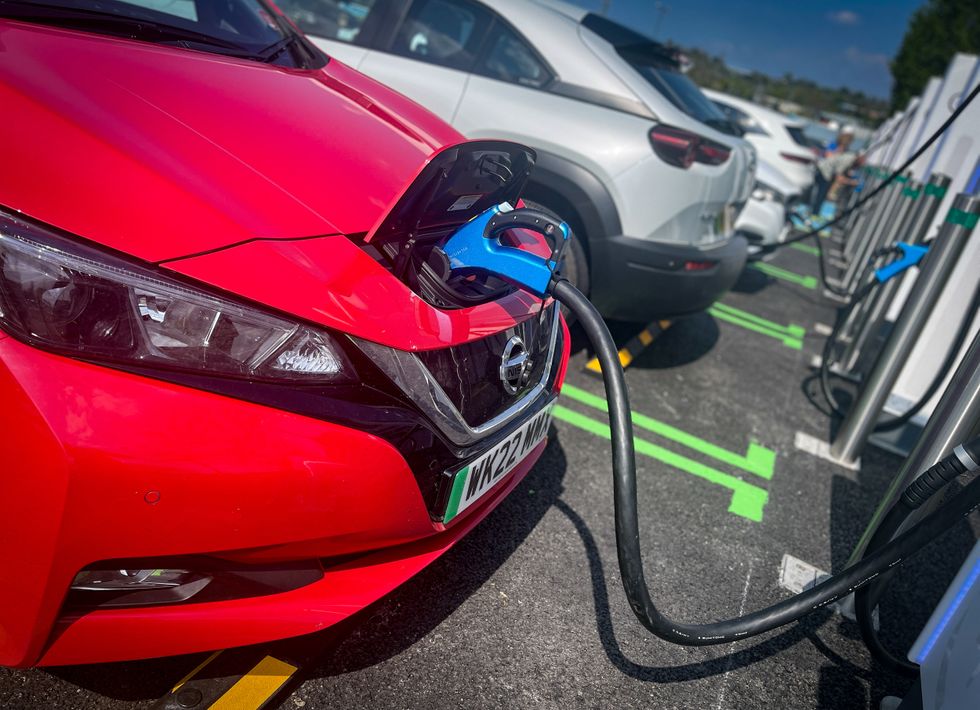
Experts have warned that more support is needed for the Zero Emission Vehicle mandate
| GETTYThe first four months of 2026 saw a further 176,698 electric cars registered, up 22.1 per cent year-on-year. Drivers now have access to electric vehicles across every major segment, from compact city cars and SUVs to luxury saloons and performance models.
Range anxiety has also eased significantly, with the average electric car now capable of travelling more than 300 miles on a single charge. That is comfortably above the average weekly mileage of around 127 miles for most British drivers.
The SMMT said the transition to cleaner vehicles has prevented an estimated 36.6 million tonnes of CO2 emissions since 2016, equivalent to the annual carbon footprint of more than nine million homes.
Manufacturers have also spent more than £10billion on discounts and incentives since 2024 to encourage drivers to switch to electric vehicles.
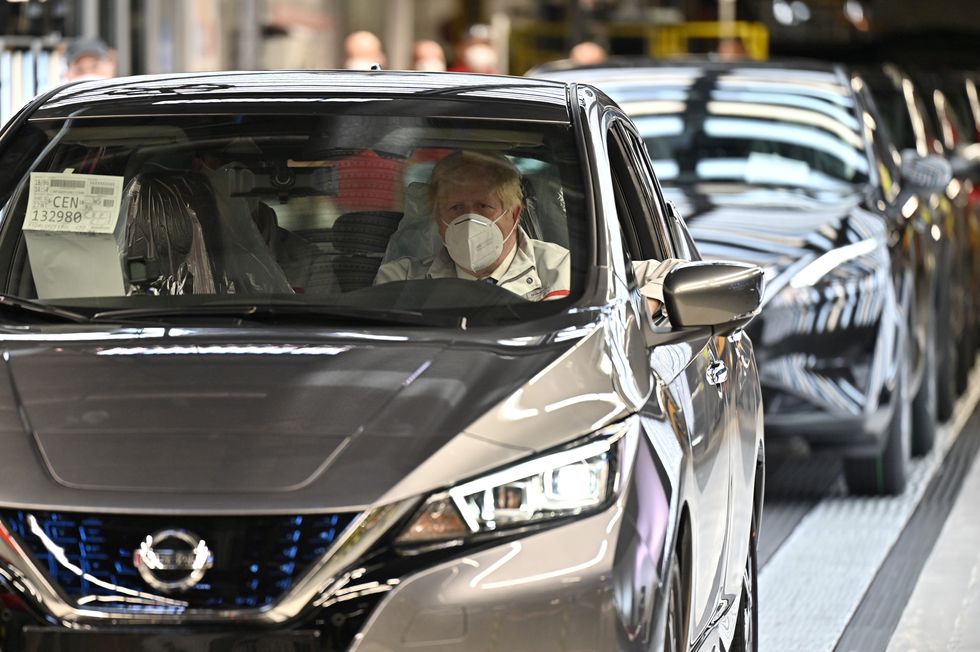
The ZEV mandate hopes to have 100 per cent electric car sales by 2030
| PAThe Electric Car Grant is currently available on 52 battery electric models. The move towards zero emission transport is also accelerating in commercial vehicles.
Electric van choice has increased eightfold over the past decade, while Britain has become Europe's largest market for zero emission buses. There are now more than 40 zero emission HGVs models available, compared with none in 2016.
Despite the progress, the industry said further Government support is needed on charging infrastructure, electricity prices and consumer incentives if Britain is to hit its targets.
"Continued Government action to accelerate demand and support manufacturer investment is essential to keep the transition on track," Mr Hawes said.