





The UK could see the ambitious Zero Emission Vehicle mandate watered down following pressure from carmakers nationwide.
It comes after several UK car dealers called on the Government to rethink its electric vehicle rules after the European Union decided to soften its own plans to ban petrol and diesel cars.
The National Franchised Dealers Association (NFDA) has written to Transport Secretary Heidi Alexander, urging her to reconsider the ZEV mandate. The letter was sent this week and also copied to Local Transport Minister Simon Lightwood.
The NFDA represents more than 4,500 franchised car and van dealers across the UK. Together, they employ over 600,000 people.
TRENDING
Stories
Videos
Your Say
In its letter, the trade body asked ministers to scrap the current 2030 deadline and change the 2035 targets so they better reflect market realities.
The intervention follows a major policy shift by the European Union. Last week, the European Commission confirmed it would no longer require carmakers to cut carbon dioxide emissions by 100 per cent by 2035.
Instead, manufacturers will now have to achieve a 90 per cent reduction. That change means new petrol and diesel cars will not be completely banned.
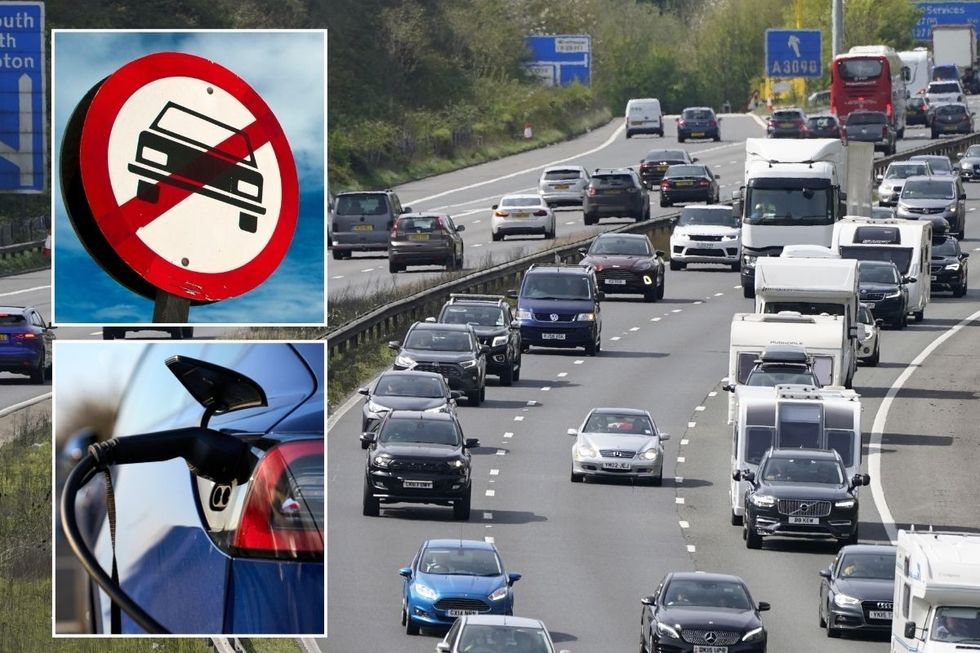
The NFDA urged the Transport Secretary to amend the ZEV mandate to alleviate pressure on the car sector
| GETTYUnder the revised rules, carmakers can offset the remaining 10 per cent of emissions by using EU-made low-carbon steel or cleaner fuels such as biofuels and e-fuels.
As a result, plug-in hybrids, mild hybrids, range-extended vehicles and traditional combustion engine cars can stay on sale beyond 2035.
EU Climate Action Commissioner Wopke Hoekstra said: "We're staying the course towards zero emissions mobility, but introducing some flexibilities for manufacturers to meet their CO2 targets in the most cost-efficient way."
The move came after strong pressure from countries such as Germany and Italy, as well as sustained lobbying from the automotive industry.
LATEST DEVELOPMENTS
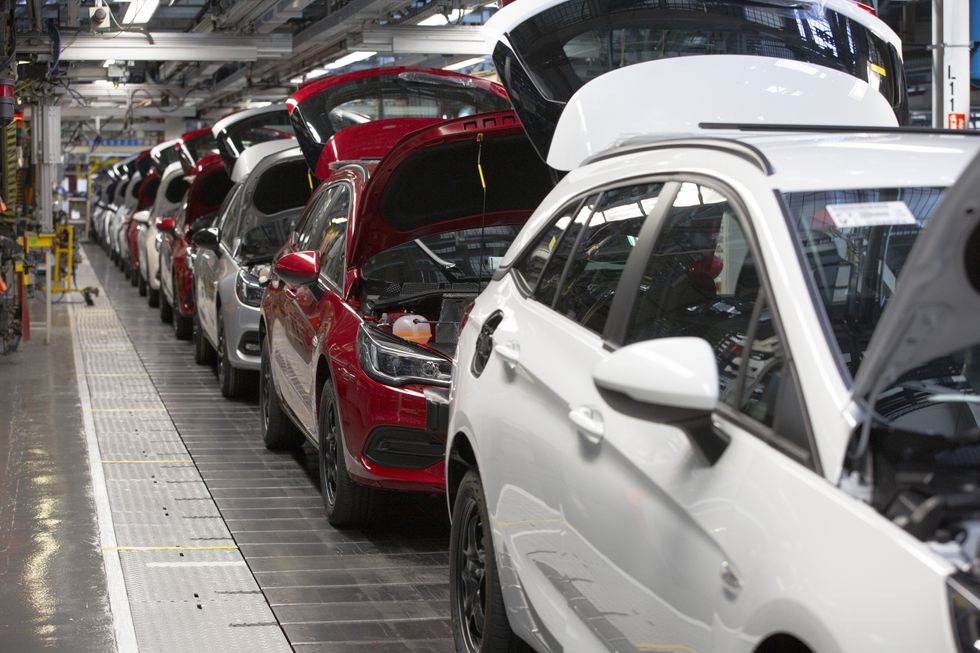 The 2035 petrol and diesel ban saw 150,000 jobs created across the electric car sector | GETTY
But now the NFDA has warned Britain could be at risk of being left out of step. The group said manufacturers could restrict the number of vehicles sent to the UK in order to meet Britain's stricter ZEV targets. That would reduce choice for consumers and damage the retail motor industry.
The association stressed it supports the Government's net zero goals, but said the current targets are too ambitious and risk harming businesses.
The EU is the UK's biggest trading partner, and European brands make up most of the cars sold in Britain. The NFDA said it makes little sense for the UK to pursue tougher rules than Brussels.
The body warned dealers could struggle to get enough stock if targets are not aligned with real-world demand. The NFDA also highlighted ongoing issues with the uptake of electric vehicles. It said many consumers are still worried about range anxiety and the lack of reliable public charging. While it welcomed extra funding for charging points, it said the rollout remains slow.
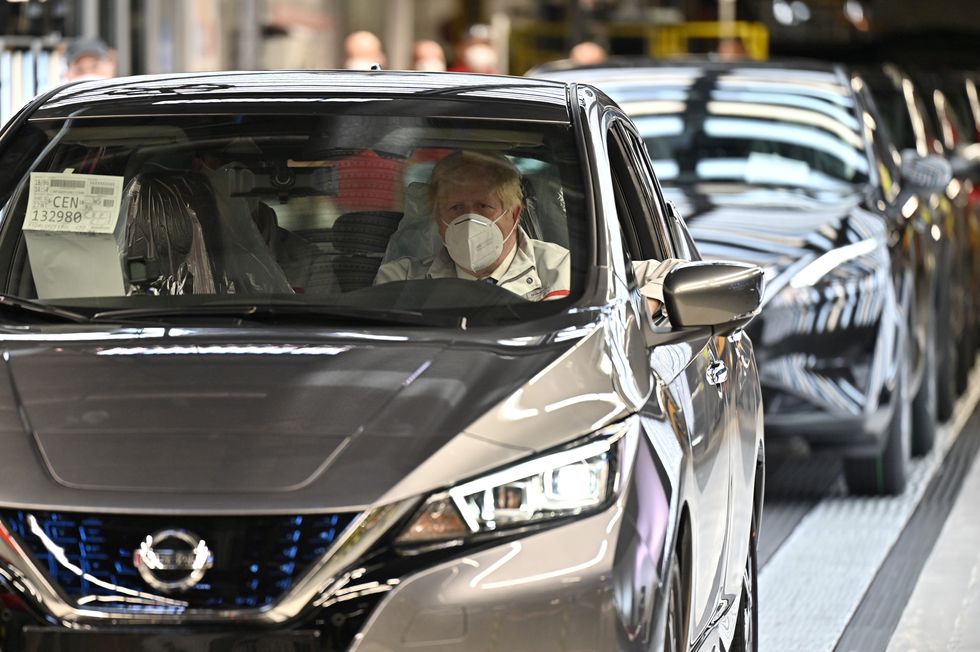
The ZEV mandate hopes to have 100 per cent electric car sales by 2030
| PAHigh EV prices were also blamed for weak demand. Dealers across the country report that many customers are simply unable or unwilling to pay the premium.
The association added that the new Electric Vehicle Excise Duty (E-VED) could further deter people from switching to electric cars. Road transport was described as essential to the UK's economic growth, increasing the importance of getting the transition right.NFDA chief executive Sue Robinson said talks with the Department for Transport would continue next year.
She said: "As the automotive market continues to evolve rapidly, it's essential that the UK's ZEV mandate framework is grounded in the latest developments.
"NFDA remains committed to working collaboratively with the Government to support a balanced transition to zero emission mobility that benefits businesses and consumers across the UK."