







Labour's upcoming petrol and diesel car ban has faced serious criticism from industry leaders, who warned that inconsistent policies coupled with lapsing interest in electric cars risk undermining the UK's transition to net zero.
While ministers insisted the Zero Emission Vehicle mandate is essential to drive adoption of electric cars, businesses operating at the sharp end of the market shared how the policy is increasingly pushing consumers away, particularly in regions outside major cities.
Under the ZEV mandate, manufacturers must ensure that a large portion of vehicles sold are electric, rising from 28 per cent last year to 33 per cent this year, to meet 100 per cent by 2035.
But Jon Lawes, managing director at Novuna Vehicle Solutions, warned that manufacturers are being squeezed by political uncertainty rather than a lack of ambition.
TRENDING
Stories
Videos
Your Say
Speaking to GB News, he explained: "Manufacturers plan over four, five, six or seven years. They build platforms and models well in advance.
"They've done an amazing job transitioning their businesses to meet the ZEV mandate, but it becomes extremely challenging when Government policy keeps changing."
On top of confusing policies, the EU recently diluted elements of its own emissions targets, with the UK retaining its mandate, despite earlier political backtracking on the 2030 petrol and diesel ban. According to Mr Lawes, this inconsistency is already damaging confidence.
"We're either going for EV adoption, or we're not," he said. "Chopping and changing sends a confused message and is out of step with reality. Nobody wants to invest millions of pounds when they think policy could be thrown up in the air again."
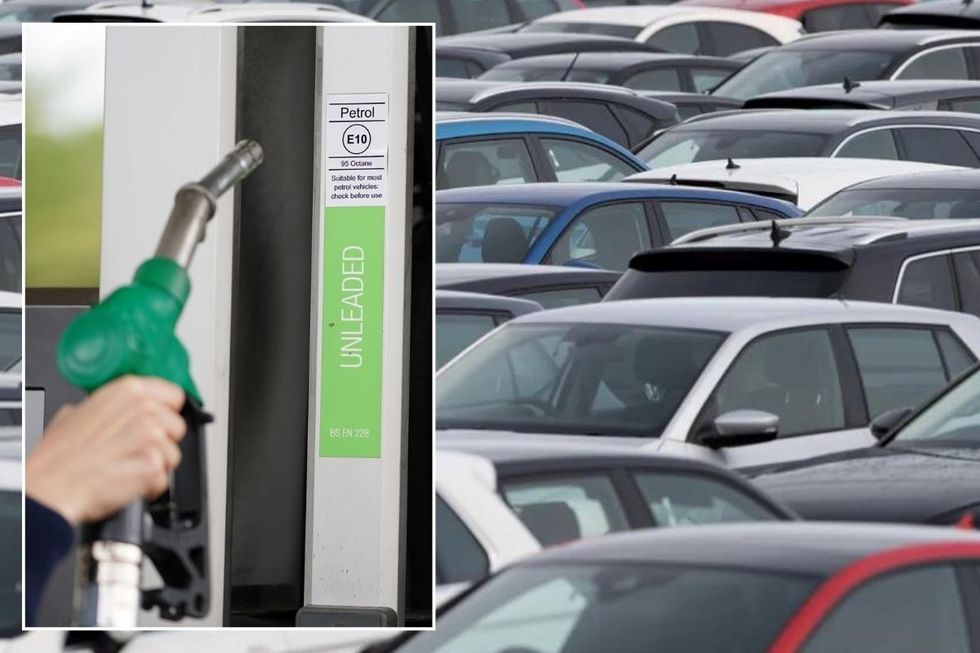
Experts urged the Government to invest in the used car market, where 80 per cent of drivers buy vehicles
| PA/GETTYMatters appear to have been made worse by the punishing Autumn Budget car tax rise announced in November last year.
Chancellor Rachel Reeves unveiled future road pricing for electric vehicles and changes to company car tax, which have now left many drivers questioning whether switching to EVs is worth it, given the new cost burdens.
"If I were an electric car driver, I'd probably be thinking, 'Why did I bother?'" Mr Lawes said. "Why am I now paying more tax on a vehicle I was encouraged to buy?"
While the industry accepted that fuel duty revenues are falling and roads must be paid for, the expert warned that the Government's approach risks stalling demand at a critical moment.
He said: "This felt rushed. There needs to be far more consultation. We understand there's a funding gap, but it has to be solved in a way that doesn't actively discourage EV adoption.
LATEST DEVELOPMENTS
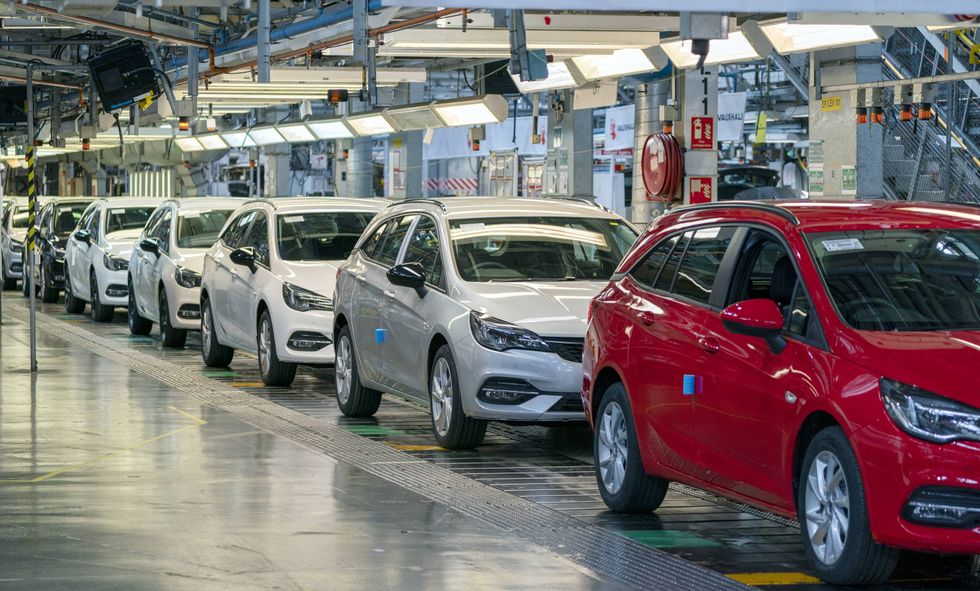 The ZEV mandate requires all new petrol and diesel car sales to be electric by 2030 | PA
"You cannot have a successful new car market without a healthy used car market. At the moment, the used EV market is in free fall. There are no incentives at all, and that's a huge problem."
The biggest weakness in the current policy framework, Mr Lawes argued, is the complete lack of support for the used electric car market, where nearly 80 per cent of drivers buy vehicles.
Used electric vehicle values have fallen sharply over the past 18 months, pushing risk onto leasing companies and making consumers cautious. Yet Mr Lawes rejected claims that battery degradation within the vehicles was to blame.
"We're simply not seeing the level of degradation people feared," he said. "Maintenance costs are significantly lower than petrol or diesel, and battery performance has been far better than expected."
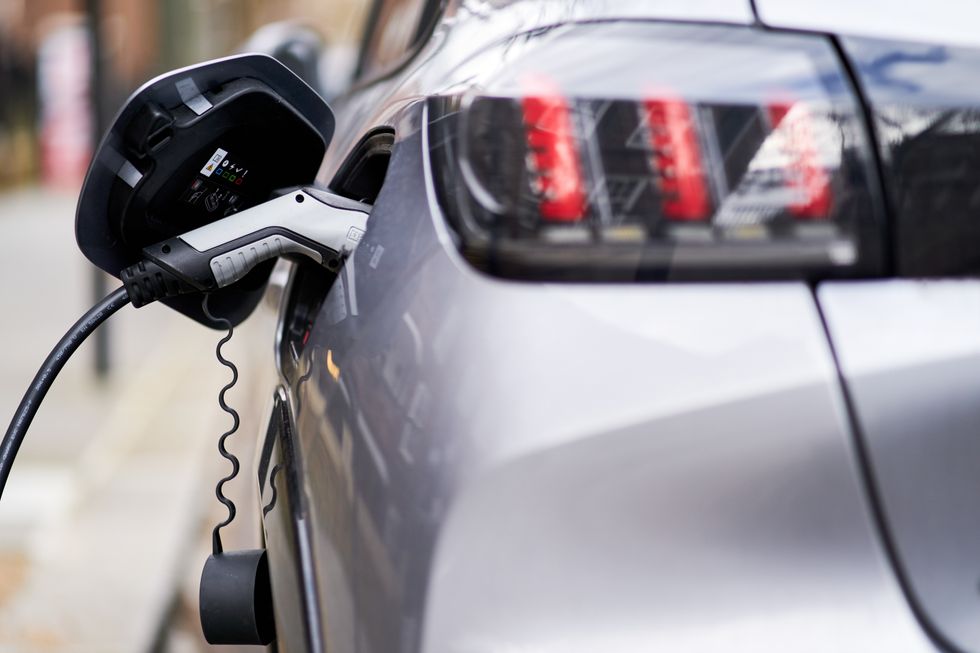
On street and home chargers remain the cheapest options for drivers with electric vehicles
| PAInfrastructure remains another major barrier, particularly for drivers without home charging or those living in rural areas.
Although charging provision has improved markedly in recent years, Mr Lawes noted that future investment depends entirely on long-term policy certainty from the Government and private companies.
Despite the challenges, Mr Lawes said he believes electric vehicles can still work for many motorists, particularly those with driveways and access to home charging. But he warned that without broader support, the ZEV mandate risks losing public backing.
He concluded: "The industry is ready to help the Government get this right. But policy has to be practical, consistent and grounded in real-world experience. Right now, that just isn't happening."