










Natural England has approved two new licences allowing wild beavers to be released at sites across south west England.
The animals will be introduced at the National Trust’s Holnicote Estate on Exmoor and at a Cornwall Wildlife Trust site in the centre of the county.
The approvals mark only the second and third occasions that beavers have been licensed for wild release since the Government took the landmark decision to allow their return to English rivers.
Beavers are known for dramatically reshaping landscapes by building dams, ponds and channels, creating habitats for other species while also helping to reduce flooding and mitigate drought.
The first officially licensed release took place at Purbeck’s national nature reserve in Dorset in March 2025.
The species was wiped out in Britain more than 400 years ago after being hunted for fur, meat and scent glands.
In recent decades, however, beavers have gradually returned through escapes from enclosures and unauthorised releases.
Parliament granted the animals legal protection in 2022 after acknowledging their established presence in the wild.
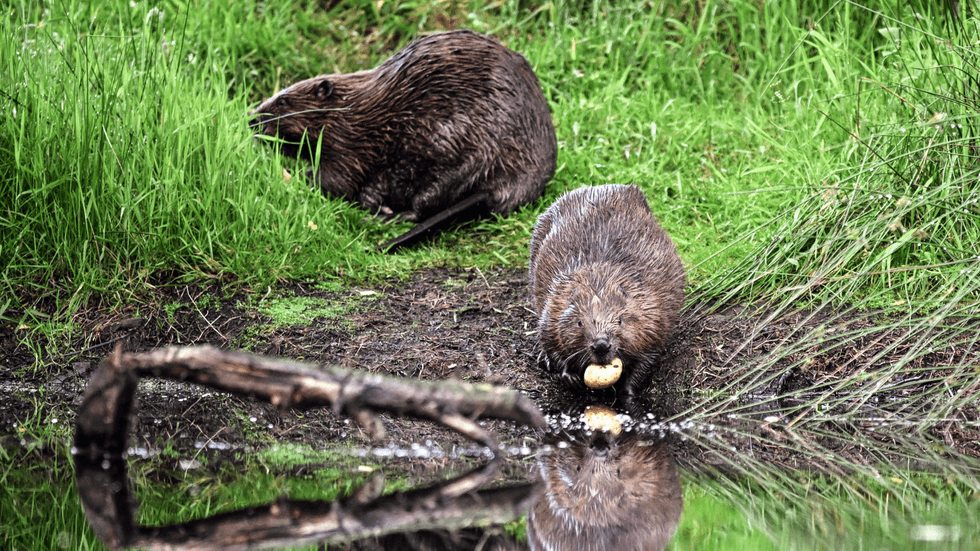
Beavers are known for dramatically reshaping landscapes by building dams, ponds and channels
|GETTY
Conservation organisations have also introduced beavers into a growing number of fenced wetlands and river projects across England.
For years, campaigners pressed for sanctioned wild releases, arguing they would significantly boost biodiversity.
The Government’s decision to permit reintroductions was seen as a major victory, with the Dorset release becoming the first under the new policy.
Nature minister Mary Creagh said the programme was key to the Government’s environmental agenda.
ANIMALS - READ THE LATEST:
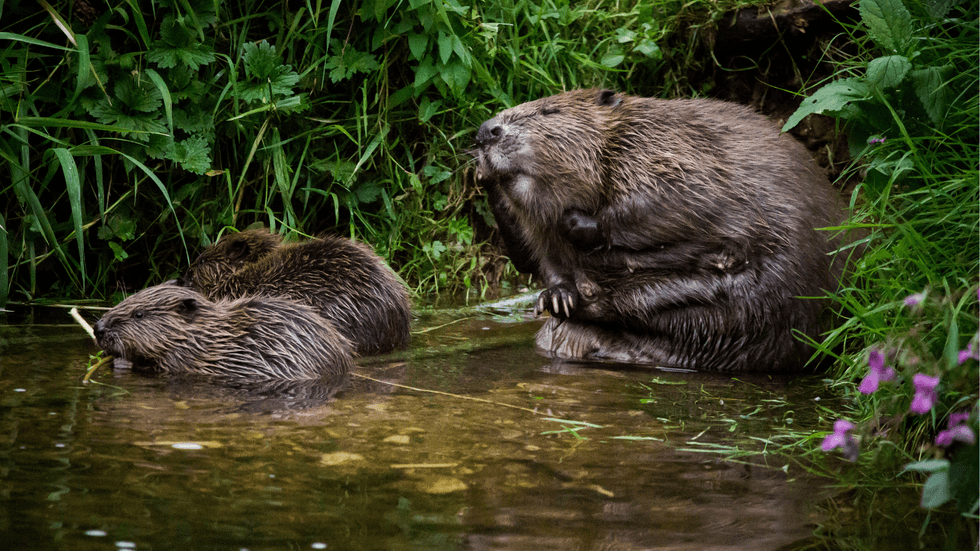
Conservation organisations have introduced beavers into a growing number of fenced wetlands and river projects
|GETTY
“The return of beavers is a vital part of this Government’s mission to protect and restore nature. I look forward to these projects getting going and more future beaver releases,” she said.
Natural England chief executive Marian Spain stressed the need for careful management.
“The successful return of beavers depends on well-planned, collaborative projects built on engagement and trust, and we are committed to getting it right for both nature and communities,” she said.
Ben McCarthy, the National Trust’s head of nature conservation, described the licence as “fantastic news and a major milestone”.
He said the organisation had seen beavers’ “extraordinary ability” to create wetlands that support wildlife, improve water quality and help regulate water flow.
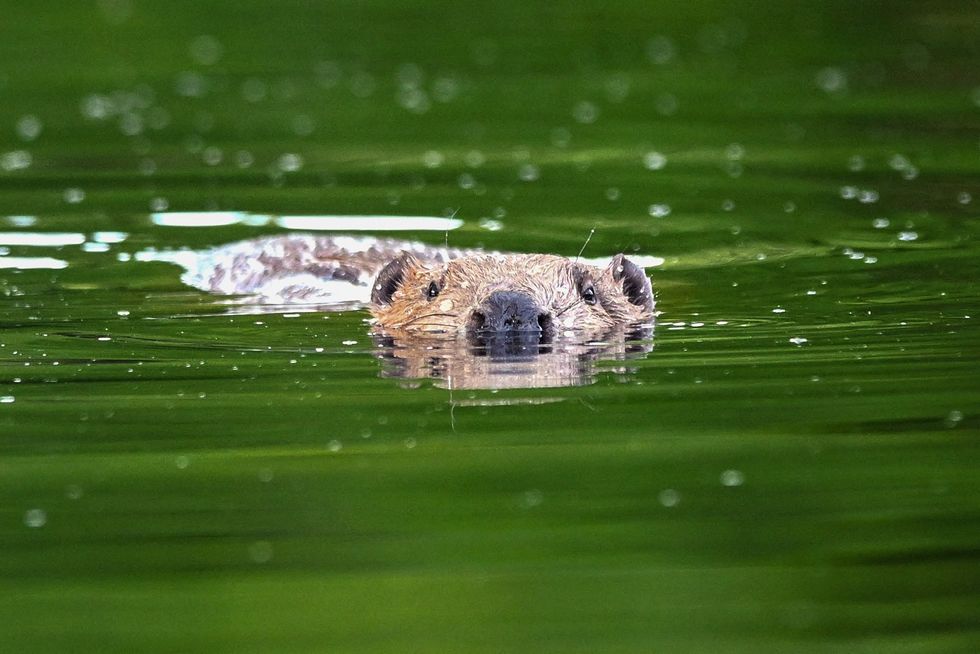
The species was wiped out in Britain more than 400 years ago after being hunted for fur
|GETTY
Natural England said the releases would be tightly managed to limit impacts on farming and infrastructure, requiring applicants to submit 10-year management plans.
The agency has identified 32 potential projects that meet its criteria, with 11 already invited to apply.
Vicki Hird, the Wildlife Trusts’ strategic lead on agriculture, warned that changes to farming subsidy schemes must continue to support coexistence with beavers.
She said removing such support would mean “opportunities for nature recovery and the provision of ecosystem services will be missed".
Our Standards: The GB News Editorial Charter