








Labour has been urged to unveil new driving laws which would give certain vehicles more road benefits and better accessibility.
In a written evidence submission, energy giant Shell has called for electric vehicles to be granted access to travel in bus lanes and receive favourable parking benefits.
The company explained that the benefits would help ensure the UK stays on track with its Zero Emission Vehicle mandate by encouraging the uptake of electric cars.
The oil giant has also suggested offering several road reductions as well as £3,750 grants for buyers of second-hand electric cars, where most drivers buy their vehicles.
TRENDING
Stories
Videos
Your Say
The proposals were made in written evidence to MPs reviewing the UK's shift towards electric vehicles and the impact it would have on the sector.
Shell explained that by giving electric vehicles priority access on the roads, it would encourage more drivers to make the switch.
It also suggested extending financial support, including grants of up to £3,750 for people buying second-hand electric cars, where most drivers shop for vehicles.
In its submission, the firm said electric vehicles are now the "dominant solution" for cutting emissions in transport, especially for everyday cars.
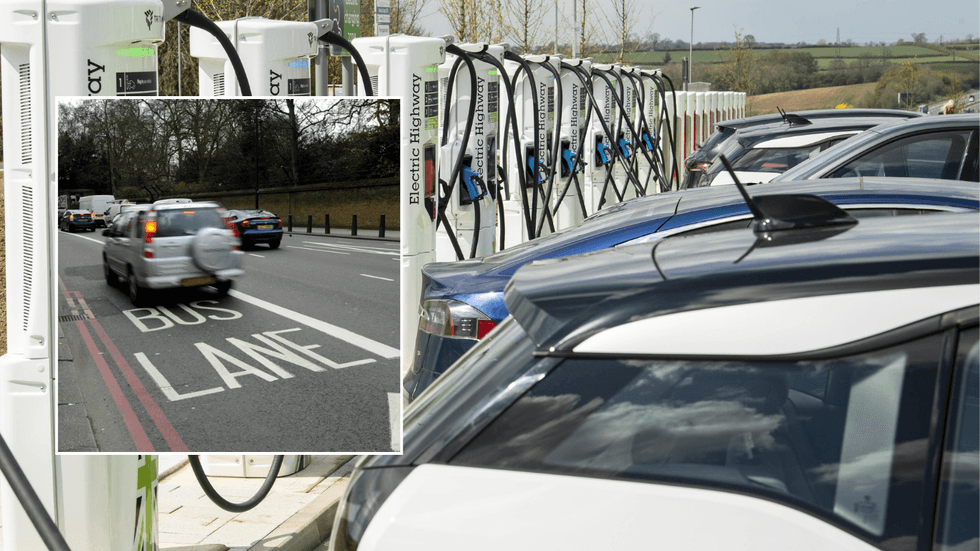
Shell explained that the added benefits could help offset any losses generated from new car tax implications
|PA/GETTY
However, it warned that more action is needed to speed up adoption and deal with the millions of petrol and diesel vehicles that will remain on the roads for years.
Shell backed the UK's target of reaching net zero transport emissions by 2050 and ending the sale of new petrol and diesel cars by 2035. But it added that the transition must be supported by a wider mix of policies to succeed.
The recommendations were sent to the Transport Committee, a cross-party group of MPs currently examining the move towards electric vehicles.
The call comes as electric car sales appear to be slowing, with around 22 per cent of new cars sold now electric, which is far below the target of 33 per cent by the end of the year.
LATEST DEVELOPMENTS
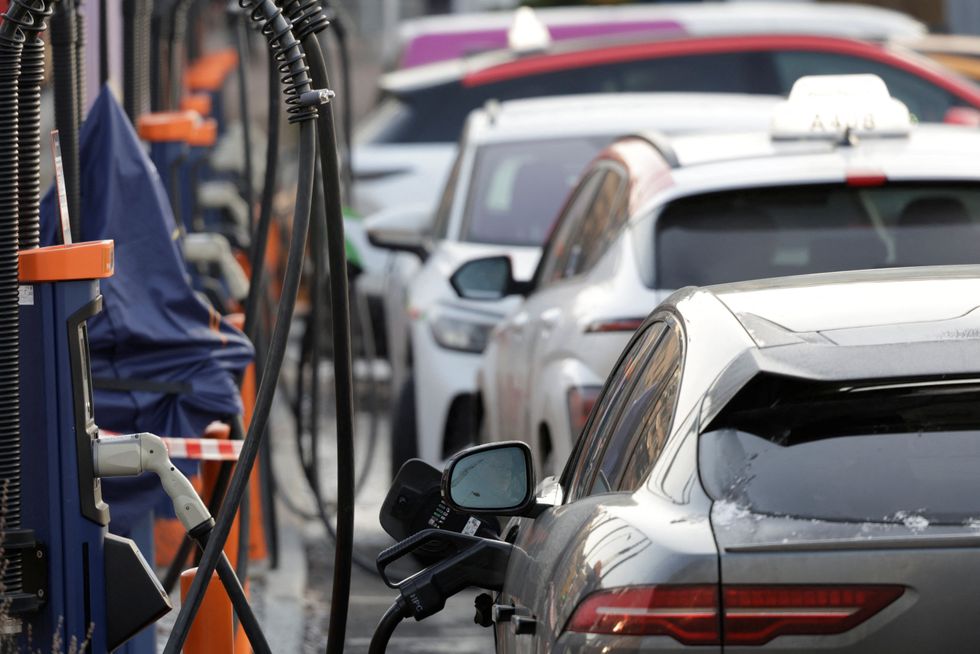
Shell has urged the Government to introduce more benefits for electric car drivers
| REUTERSThe oil giant also raised concerns that future policies could put drivers off, including the introduction of pay-per-mile charges for electric vehicles in 2028.
Shell warned that without further support, the transition to electric cars could stall, with a "real risk" that progress becomes uneven, damaging public confidence and making targets harder to reach.
Affordability was also a key issue, with the group acknowledging that while charging at home offers cost benefits to EV owners, public charging can be more expensive, especially for people without driveways.
The company suggested a range of incentives, including discounted tolls, free parking, and access to bus lanes, measures that have been used in countries like Norway, where electric cars now dominate new sales.
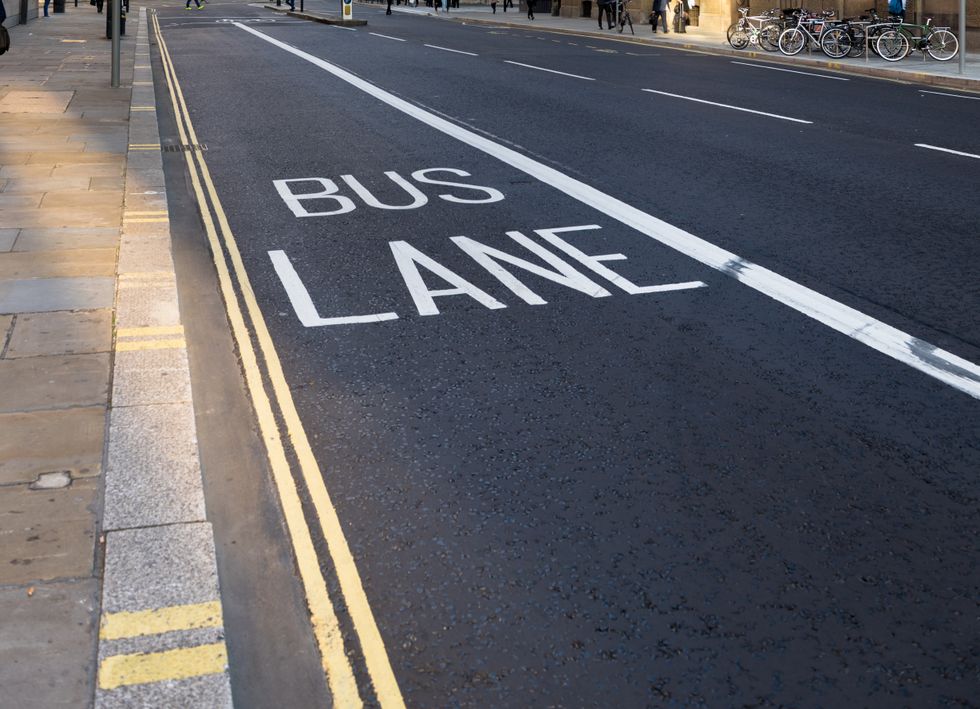
Drivers can be fined for travelling through bus lanes in the UK
| GETTYCurrently, there is only one known bus lane in the UK that allows electric vehicles, in Nottingham, although concerns have been raised about safety.
Shell also pointed to local schemes already in place, with some councils offering reduced parking permits for electric cars, while others have been trialling free parking while vehicles charge.
The written submission detailed: "From Shell's perspective, the most effective response is not to weaken ambition, but to remove avoidable barriers.
"Maintaining policy certainty, addressing structural cost pressures in public charging, ensuring incentives reach those who need them most, and taking a holistic approach to road transport taxation would collectively strengthen consumer confidence and unlock further private investment."