










Labour has been urged to remove a key driving licence requirement for vulnerable road users, which could prevent thousands from travelling more easily.
Campaigners have backed calls for the Government to remove the legal requirement for riders to hold a driving licence to use shared electric scooters, a rule that blocks many disabled and vulnerable people from accessing these vehicles.
A report found that electric bikes and scooters have been helping disabled people travel more easily across the north of England.
A new programme launched in Salford revealed that practical, hands-on training for electric bikes and scooters are beneficial for disabled Britons.
TRENDING
Stories
Videos
Your Say
The pilot project, led by transport charity CoMoUK, found that more than half of participants were riding independently within four weeks of completing the programme.
Organisers explained that the results showed disabled people were eager to use these services when they were given the right guidance.
In total, 15 face-to-face sessions were held for 41 disabled participants, to give people practical experience, showing them how to ride safely, use smartphone apps, and navigate roads and cycle paths confidently.
Most participants explained that they held concerns about e-bikes and e-scooters, including traffic fears, safety worries and difficulties using apps.
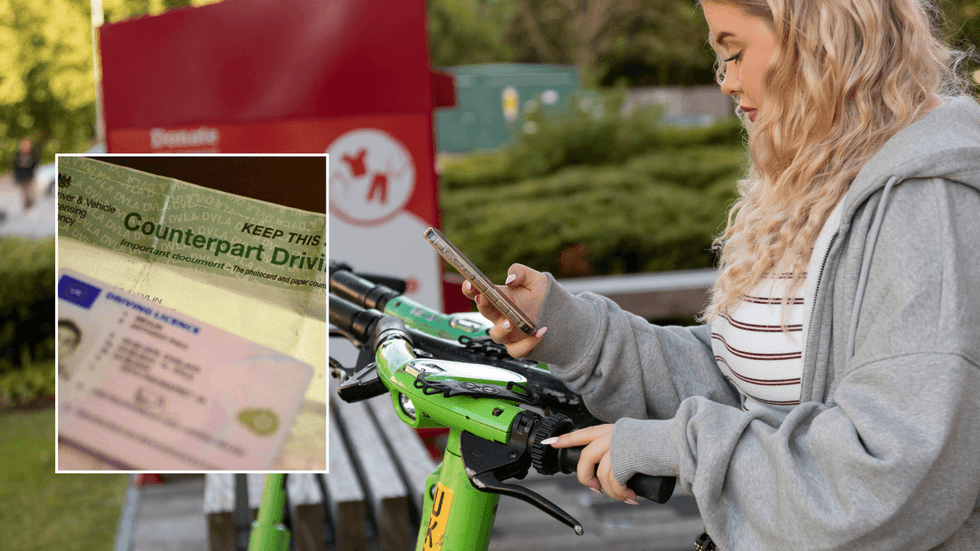
Nearly three out of four riders with disabilities felt more confident using electric scooters and bikes after training
|MOTABILITY SALFORD/COMO UK/pa
However, after the trial, 71 per cent of participants said they now felt confident riding e-bikes alone, while 43 per cent said they would ride independently.
Participants described the experience as eye-opening, with one saying: "I was surprised by all the misconceptions of e-bikes. It wasn't what I thought."
Richard Dilks, chief executive of CoMoUK, said the pilot proved that support and training make a real difference.
He said: "This project shows disabled people are keen to use shared e-scooters and e-bikes once they are given the right support.
LATEST DEVELOPMENTS
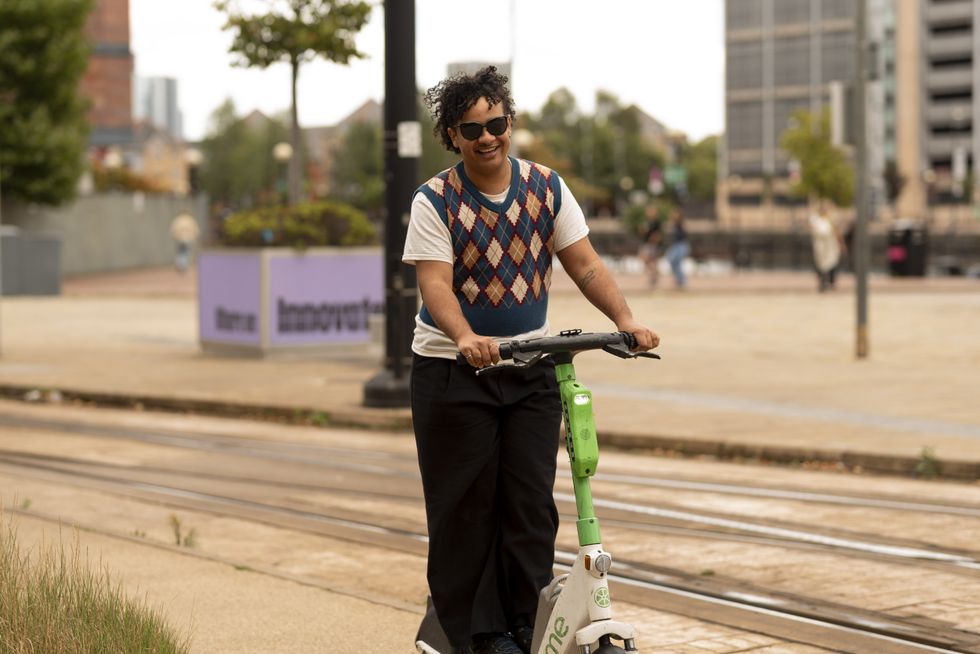
The report found that with training, riders with disabilities became more confident using the electric vehicles
|MOTABILITY SALFORD/COMO UK
"To make sure nobody is left behind, the Government must remove unnecessary barriers, while operators continue developing accessible apps and services."
James Scott, director of behaviour change at Cycling UK, explained that disabled people want to travel more actively and independently, although a lack of confidence has held them back.
Rohan Kakad, transport solutions manager at the Motability Foundation, added: "With the right guidance, shared micromobility can help more disabled people make everyday journeys independently. Practical training opens doors that were previously closed."
Despite the positive results, the trial highlighted ongoing barriers that still limit access, including the legal requirement to hold a driving licence to ride shared e-scooters.
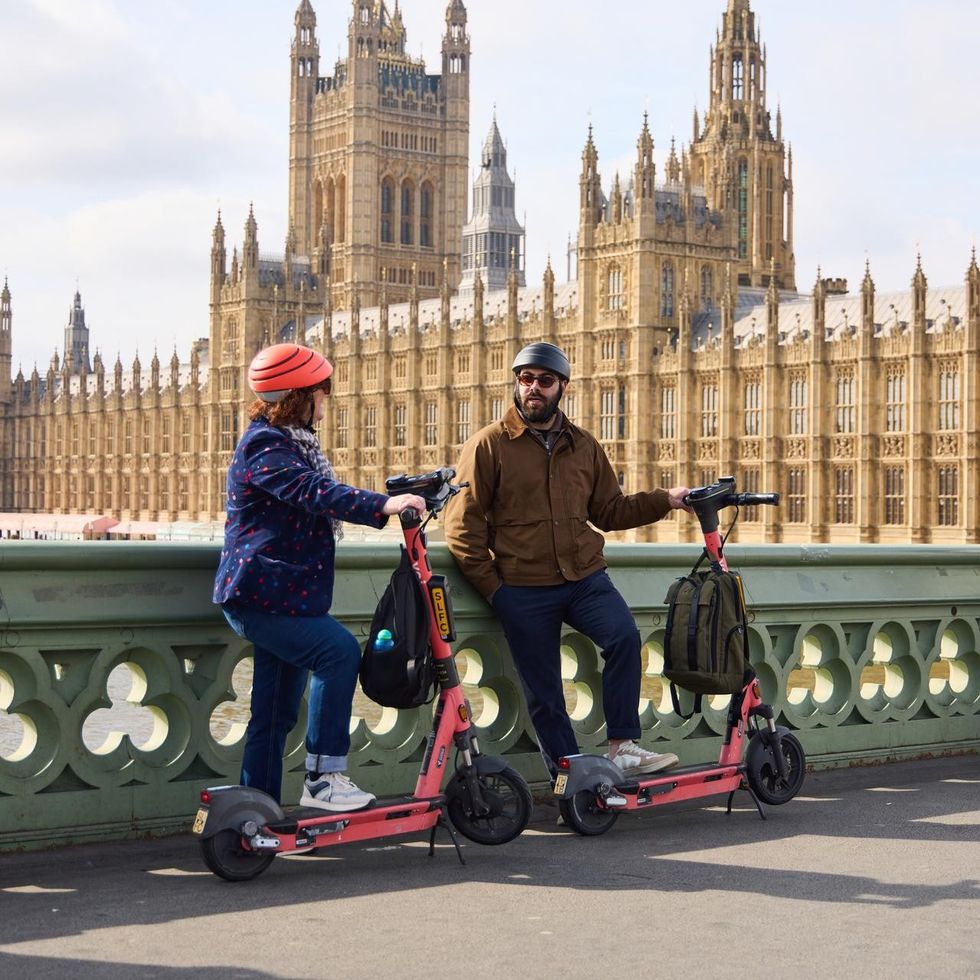
Labour has been urged to scrap driving licence requirements for riders with disabilities to use e-scooters
| TFLExperts warned that many disabled people cannot obtain a valid driving licence, which prevents them from legally using the electric vehicles even if they are capable of riding safely.
The report also recommended that inclusive e-scooter training be expanded across the country, with clear standards to help build skills and confidence.
Local councils have also been urged to invest in safe, accessible infrastructure, including segregated cycle lanes and dedicated parking areas for disabled users.
Mr Dilks added: "Disabled people want to travel independently. They just need the training, the support, and a fair legal framework to do it."