











The UK's car industry took a major hit in October after the cyber attack on Jaguar Land Rover caused serious disruption across the sector, with the impact causing sales to slump by nearly a third.
According to new figures from the Society of Motor Manufacturers and Traders, commercial vehicles were down by 30.9 per cent to 62,116 units in October, with the fall directly linked to JLR's slow recovery following the shutdown.
The data has now underlined the scale of the problems faced by the UK's biggest automotive employer, which was forced to shut down all global systems on September 2 because of the attack.
What began as a crisis for JLR quickly rippled out through the wider manufacturing sector, dragging down national vehicle output and renewing fears about how resilient Britain's car industry really is.
TRENDING
Stories
Videos
Your Say
Experts at RSM UK warned that the timing could not have been worse, with British manufacturers already under pressure as they switch to electric vehicles while also dealing with high energy costs.
But the added impact of a major cyber incident pushed an already strained industry into even deeper trouble, the SMMT warned.
The October numbers by the SMMT revealed just how severe the disruption was, with UK car production falling to 59,010 units, 18,474 fewer than the same month last year.
JLR was forced to suspend operations on August 31, closing production lines at its huge Range Rover plant in Solihull and at Halewood on Merseyside.
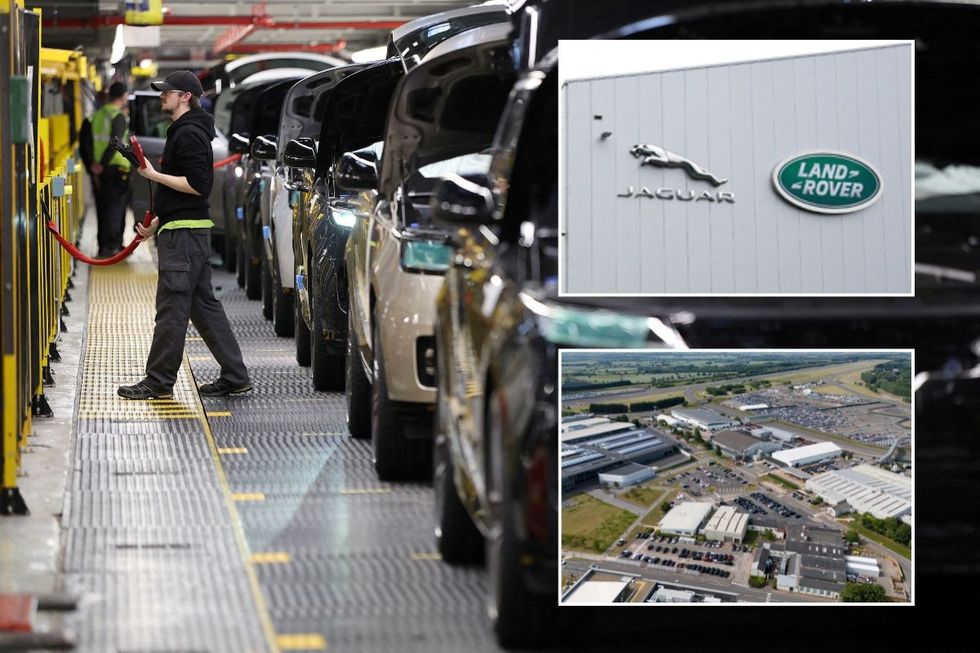
Jaguar Land Rover were devastated by a cyber-attack which halted production in September
| REUTERS/JLR/PABoth sites remained largely idle throughout September, with manufacturing only beginning to restart on October 8, and even then, it was gradual.
The company said all production lines were running again by mid-October, but output remained well below normal levels for the whole month.
The financial toll has been enormous, with JLR reporting a £485million loss for the second quarter alone and £134million for the first half of its financial year.
JLR chief executive Adrian Mardell praised staff for pushing through the crisis, saying the speed of the company's recovery showed "the resilience and hard work of our colleagues".
LATEST DEVELOPMENTS
- Motorists could see new driving laws and speed limits introduced to tackle key road issue under new proposals
- Jaguar's 'woke' Type 00 electric car wins milestone award one year after controversial rollout
- Rachel Reeves 'highly likely' to axe fuel duty freeze in Budget as petrol and diesel drivers face misery
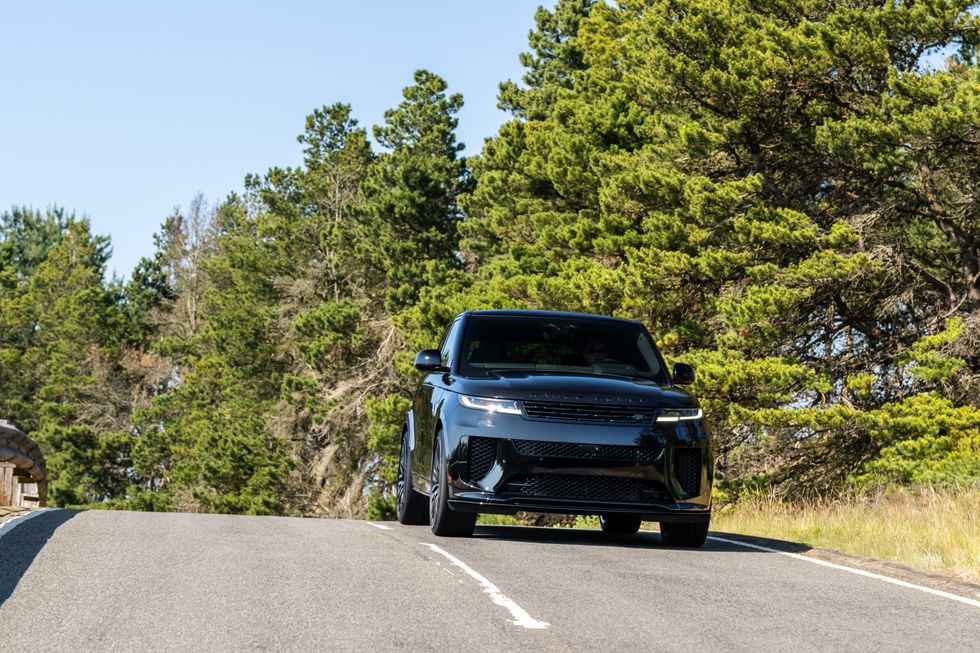 JLR revealed the impact of the cyber attack on its operating profits | JLR
To stabilise the business, JLR secured £3.5billion in extra liquidity and rolled out a £500million supplier financing scheme to help support the companies that feed into its supply chain — a crucial step as production resumed.
Across the wider industry, the picture remains challenging. Britain has built 644,366 vehicles so far this year, a 17 per cent decline compared with the same point in 2024. But not all the news is bleak.
Electrified vehicles, including hybrids, plug-ins and full EVs, made up 46.2 per cent of output in October, with 27,287 such vehicles produced.
Analysts said they believe the sector could bounce back to 828,000 units in 2026, helped by new electric models coming into production.
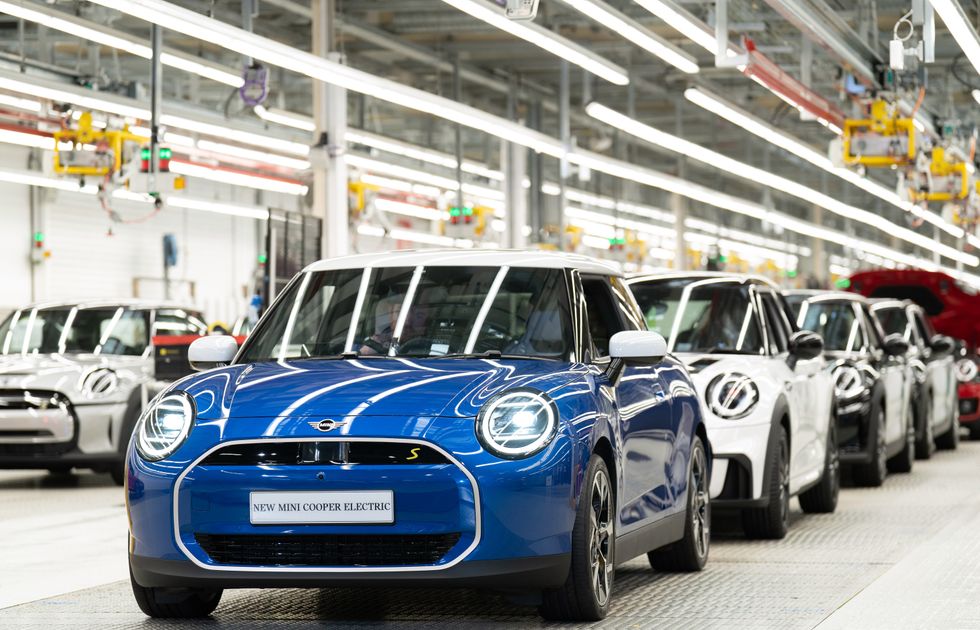
Car production in October fell by 30 per cent
| PASMMT chief executive Mike Hawes admitted the last few months have been extremely tough but insisted there are reasons for optimism.
He said the Government now recognised that the car industry as a key part of Britain's economic strength, and the SMMT believes output could reach around one million vehicles a year by the end of the decade if the right conditions are in place.
The Chancellor's recent Autumn Budget included £1.5billion in industry "transformation" funding and delayed new rules on employee car ownership schemes, changes that carmakers said could have cost £1billion a year and put 5,000 jobs at risk.
These moves were welcomed across the sector, but industry leaders have expressed deep worry about plans to introduce a pay-per-mile tax on electric vehicles from 2028.
They argued the policy sends completely the wrong signal at a time when the Government is urging drivers to switch to EVs.
The SMMT has also warned that new electric vehicle taxes arriving now could put off investment just as the UK is trying to meet its target of producing 1.3 million vehicles by 2035.