










Motorists have been warned of winter danger through a common driving practice, which could land them with significant penalties for breaking the Highway Code.
Experts warned that cranking up the car heater during cold weather journeys may seem harmless, but this everyday habit can trigger drowsiness behind the wheel.
Insurance specialists have now highlighted that prolonged use of vehicle heating systems can lead to fatigue, which authorities may treat as careless or dangerous driving.
Although no specific offence exists for driving while tired, motorists found to be impaired by drowsiness could face potentially unlimited fines and between three and 11 penalty points on their licence.
TRENDING
Stories
Videos
Your Say
The warning comes as winter conditions make the temptation to blast the heating particularly strong for commuters and long-distance travellers alike.
Running the heater for extended periods elevates body temperature while simultaneously depleting oxygen levels within the cabin, creating conditions that dull reaction times and diminish concentration.
Research indicated fatigued driving poses comparable risks to being behind the wheel after consuming alcohol, with tired motorists experiencing slower responses and reduced awareness of their surroundings.
Police data attributed tiredness to roughly four per cent of fatal crashes and two per cent of all incidents nationally.
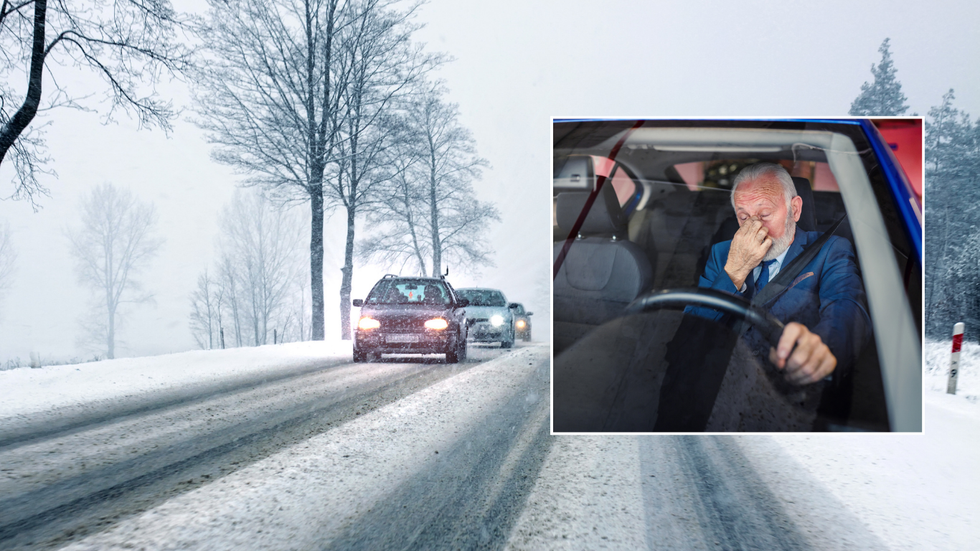
Drivers can be fined for road drowsiness and slapped with between three and 11 penalty points
|GETTY
The majority of sleep-related accidents occur on motorways and dual carriageways, where monotonous driving conditions reduce mental stimulation.
Ian Wilson, managing director and car insurance expert at Tiger.co.uk, said: "In winter, many of us blast on the heating as soon as we get into the car to help combat the chill, but too much heat, especially with the air recirculating, can make you feel drowsy far quicker than you realise.
"It might feel cosy, but that warm, still air can reduce oxygen levels and slow your reflexes, which is dangerous behind the wheel."
LATEST DEVELOPMENTS
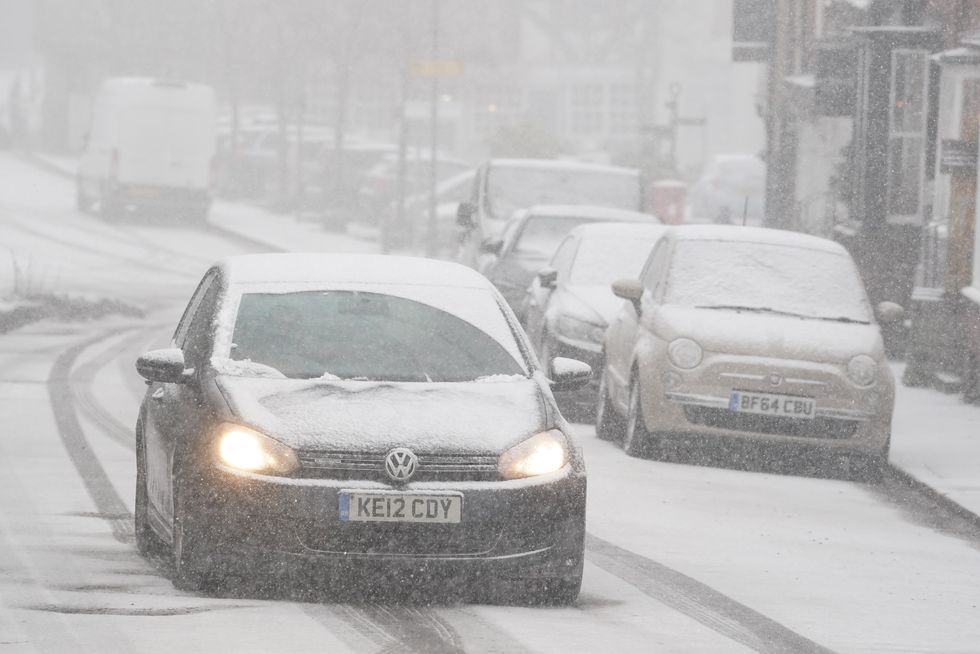
The warning follows reports of colder weather coming into the UK this month, prompting higher car temperatures
| PAIn a bid to protect motorists, the expert suggested keeping the temperature balanced by cracking a window for ventilation and taking breaks on longer journeys.
The combination of excessive warmth and recirculated air creates a particularly hazardous environment, especially when paired with other seasonal challenges such as icy roads and reduced daylight hours.
Motoring specialists recommend maintaining cabin temperatures between 19 and 22 degrees Celsius, warm enough for comfort without inducing sleepiness.
Meanwhile, briefly switching on the air conditioning during winter months may appear counterintuitive, yet this practice helps reduce humidity and improve airflow, preventing the interior from becoming stuffy.
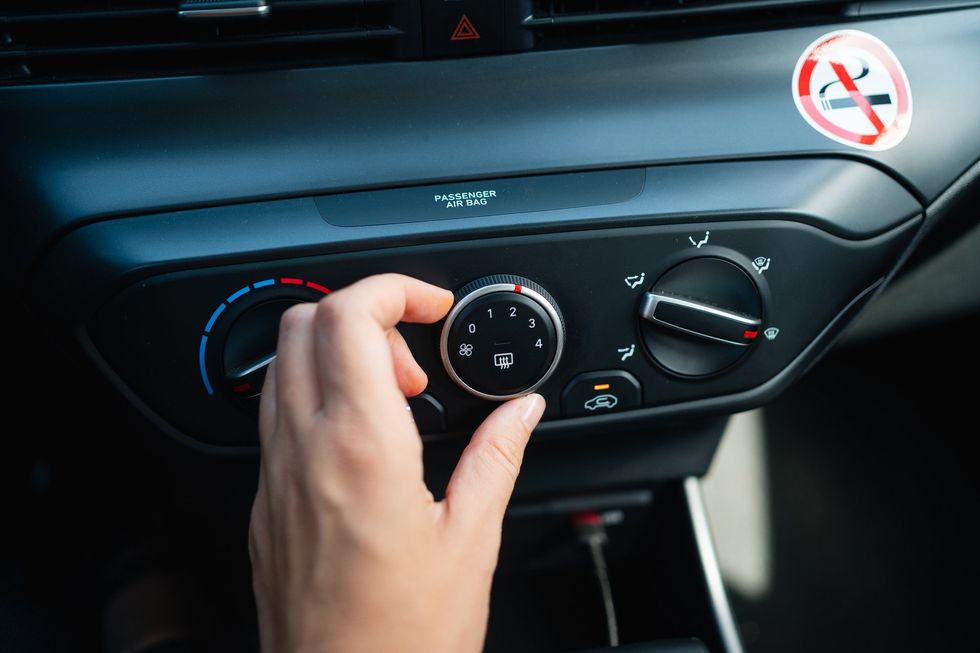
Drivers have been urged to not overheat their vehicles this winter
|GETTY
Clothing choices also play a role in managing warmth safely, with experts advising multiple thin layers rather than bulky coats, which can restrict movement and compromise seatbelt effectiveness during collisions.
Drivers should also remain vigilant for telltale signs of tiredness, including difficulty maintaining focus, frequent yawning, heavy eyelids, and eyes beginning to roll.
By the point a motorist's head starts nodding, experts warned drivers may already be experiencing microsleeps, brief lapses during which a vehicle travelling at 70mph could cover 200 metres without the driver's awareness.
Under UK law, drivers who cause fatal accidents while drowsy can face charges of death by dangerous driving, carrying a maximum sentence of 14 years' imprisonment.