










Experts have called on governments to increase work from home opportunities and reduce motorway speed limits in a bid to protect drivers from expensive fuel costs.
As the war in Iran continues and global tensions remain high, the cost of oil continues to be an issue for drivers across the world.
The latest data from RAC Fuel Watch shows that drivers in the UK are currently paying 157.99p per litre for petrol and 186.64p for diesel.
While this is a slight drop compared to the peak of fuel prices (April 15) since the war began in late February, it shows that prices are rising once again.
During the price peak since the outbreak of conflict in the Middle East, drivers were paying 25.5p more for petrol and a staggering 49.2p extra per litre when buying diesel.
Industry experts have now suggested that governments around the world could implement measures to help drivers lessen their use of fuel.
Fresh analysis from Transport and Environment stated that instructing motorists to work from home where possible could deliver a combined saving of €21.1billion (£18.4billion) a year.
It is estimated that this could save between two and six per cent of car oil use and deliver major savings to hard-pressed motorists.
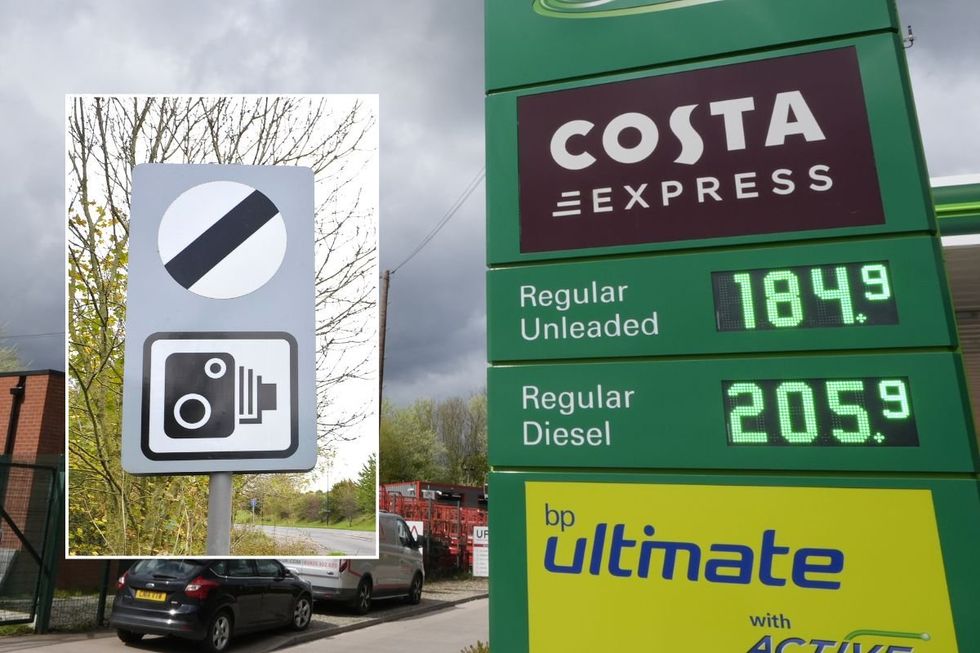
Experts have suggested a number of measures to help drivers save money on fuel
|GETTY
Reducing motorway speed limits by 10km/h or 10mph could also have a significant impact, especially for those who drive as part of their jobs.
T&E suggests that this could result in maximum savings of €9.6billion (£7.2billion) for petrol and €11.5billion (£8.6billion) for diesel.
The largest savings on offer could be from supporting the use of car sharing and so-called "eco-driving".
Analysis suggests that eco-driving, which is often referred to as hypermiling, consists of fuel-saving tips, like managing tyre pressure and air conditioning usage.
LATEST DEVELOPMENTS
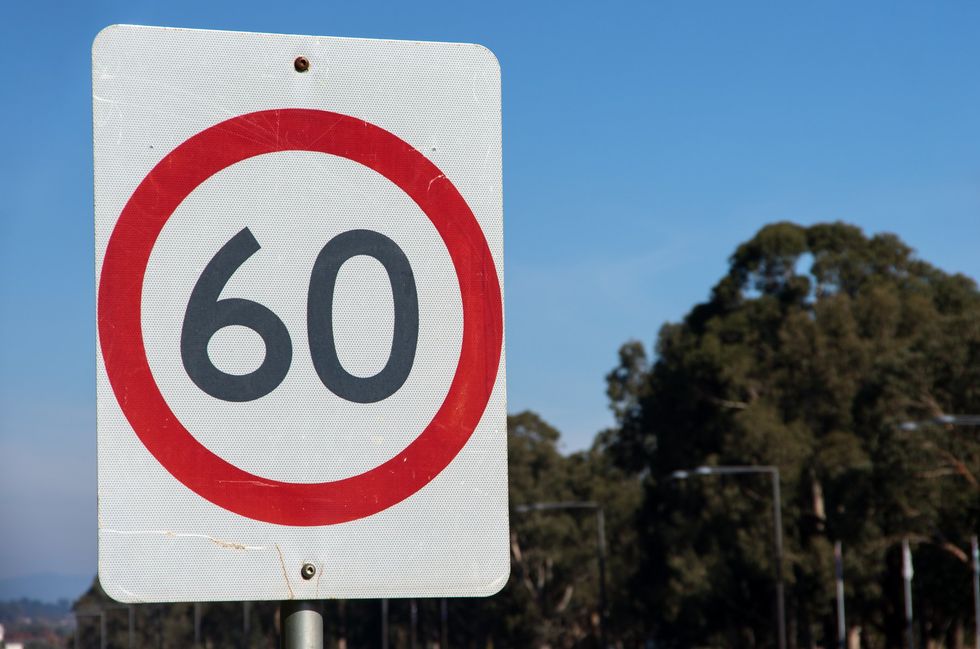 The report said drivers could save a significant amount of fuel if motorway speed limits were cut | GETTY
It states that encouraging these actions could help save between €17.6billion (£15.3billion) and a staggering €28.1billion (£24.5billion).
T&E added: "Demand-side measures offer the fastest available protection. Crucially, these are not measures that require major capital expenditure or long lead times.
"Three additional days of remote working per week, lower speed limits on motorways, or simply checking tyre pressure can be facilitated immediately by governments."
The think tank emphasised that these measures "deserve attention", the oil price shock is continuing and that savings can begin "immediately".
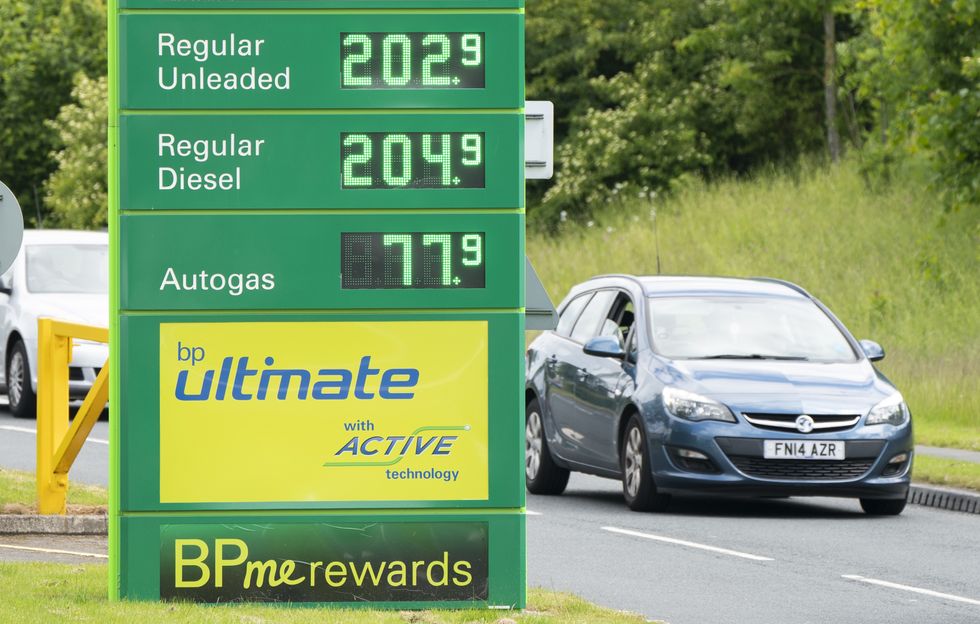
Petrol and diesel prices spiked to their highest prices since the aftermath of the Russian invasion of Ukraine
| PAIt outlined a five-point manifesto for governments to consider to slash the use of oil and protect motorists from further price hikes.
Three additional remote working days every week could reduce fuel bills for the average individual driver by up to 20 per cent.
T&E referenced the International Energy Agency's emergency recommendation of reducing speed limits on key roads by a minimum of 10km/h.