








Drivers have been warned of the new Ofgem energy price cap launching today, which could hit millions of electric car owners with higher home-charging bills.
As of today, January 1, the revised price cap of £1,758 will be in effect and remain in place until the end of March, when the regulator will re-examine the amount people pay.
While the increase is relatively small, it comes at a time when many families are already feeling the strain of higher living costs.
The new cap represents a 0.2 per cent rise in electricity prices, according to the energy regulator. But the change affects not only household bills, but also the growing number of drivers who rely on plugging in their electric vehicles at home.
TRENDING
Stories
Videos
Your Say
The UK is now home to around 1.7 million electric vehicles, with battery-powered cars becoming an increasingly common sight on UK roads.
Figures from car finance firm Carmoola revealed the cost of fully charging a typical electric car has risen under the new cap.
Under the previous price cap, charging a car with a 71.1kWh battery cost drivers an average of £18.73, although this will increase to £19.69.
For motorists driving the national average of 592 miles per month, home charging now costs around £49.37 a month.
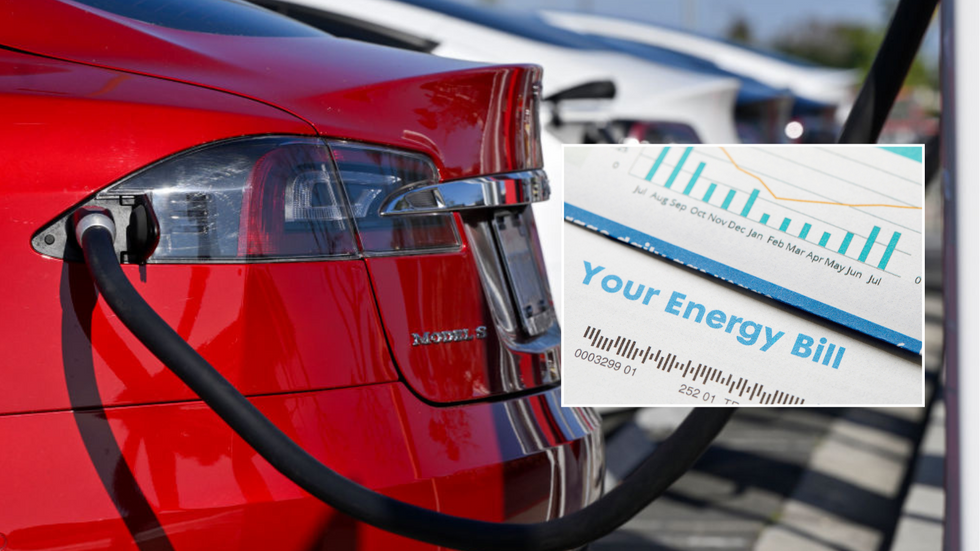
From today, electric car owners will pay 0.2 per cent more to charge their vehicles
| GETTYHowever, drivers covering the same 592 miles per month in a petrol car spend around £93.19 on fuel, while diesel drivers pay roughly £89.48.
Over a full year, electric vehicle owners save more than £525 compared to petrol drivers, and over £481 compared to diesel drivers.
These figures focus only on fuel and charging costs and do not include other expenses such as insurance, maintenance or the cost of buying the vehicle.
Aidan Rushby, chief executive and founder of Carmoola, said the latest Ofgem change should not put people off electric vehicles.
LATEST DEVELOPMENTS
"Every time Ofgem updates the price cap, there's a concern that rising electricity prices will make EV ownership more complicated - but this latest change doesn't alter the picture for people who already drive electric, or those who have been seriously considering the switch," he said.
Mr Rushby admitted that the upfront cost of buying an electric car remains a major hurdle for many households, particularly with growing tax burdens for EVs.
However, he stressed that day-to-day running costs from at-home EV chargers are still far lower than for traditional cars.
He added: "Monthly charging costs remain dramatically cheaper than filling up petrol or diesel cars, even with this modest increase. What matters most to drivers is predictable month-to-month costs - and on that front, nothing has changed."
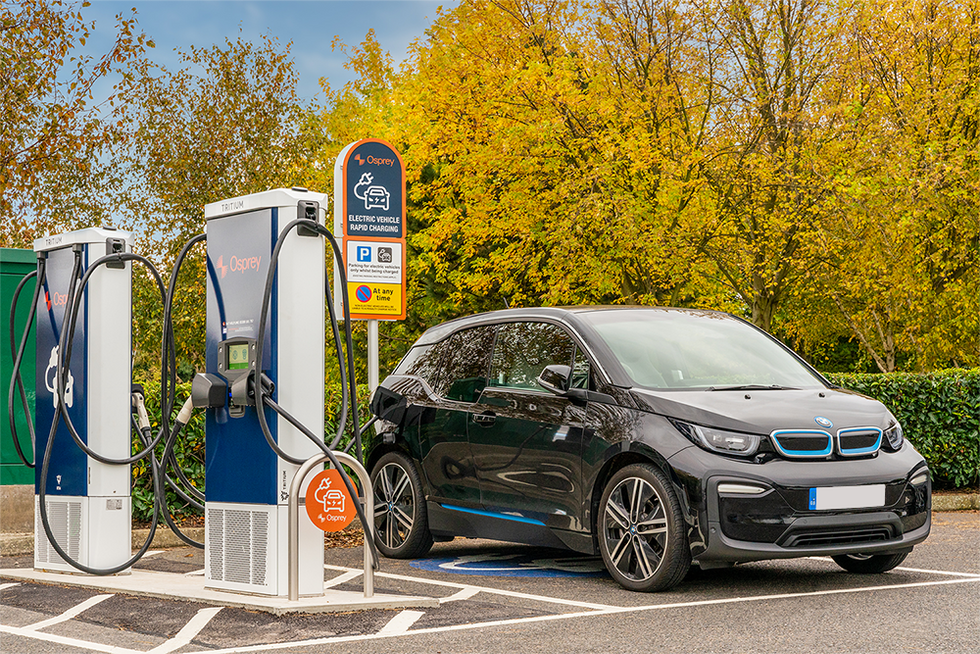
Drivers who charge at public stations will continue to pay more than petrol and diesel drivers
| OSPREY CHARGINGElectric vehicles continue to grow in popularity despite concerns around energy prices. Battery-powered cars now account for 22.4 per cent of all new vehicle sales in the UK, showing how quickly the market has expanded.
Mr Rushby said the small increase in electricity prices actually strengthens the case for electric cars. "Saving hundreds of pounds a year on fuel provides welcome stability at a time when household budgets are tight," he said.
For drivers still deciding whether to go electric, he added that charging costs remain "financially secure over the long term", even as the price cap edges higher.
Tim Jarvis, Director General, Markets, at Ofgem, said: "While energy prices have fallen in real terms over the past two years, we know people may not be feeling it in their pockets."