










The DVLA could slap thousands of mobility scooter users with fines for unintentionally breaking the law under new crackdowns.
Across the UK, drivers have been warned they may be using their scooters illegally because some models must be officially registered before they can be used on public roads, a rule many owners simply do not know exists.
The problem largely centres on Class 3 mobility scooters, which are bigger, more powerful models capable of travelling at speeds of up to 8mph and are permitted to be used on roads alongside other traffic.
However, unlike smaller scooters primarily used in trial areas, they must be registered with the DVLA before being used on the road.
TRENDING
Stories
Videos
Your Say
Many people buy mobility scooters second-hand, pick them up through online marketplaces, or inherit them from friends or relatives.
In these cases, there is often no clear explanation of the legal requirements, leaving users unaware that they may be breaking the law.
By contrast, Class 2 scooters are much simpler and are limited to pavement use only, with a maximum speed of 4mph, and do not need to be registered.
The difference between the two types is a major source of confusion, with many people assuming all mobility scooters follow the same rules.
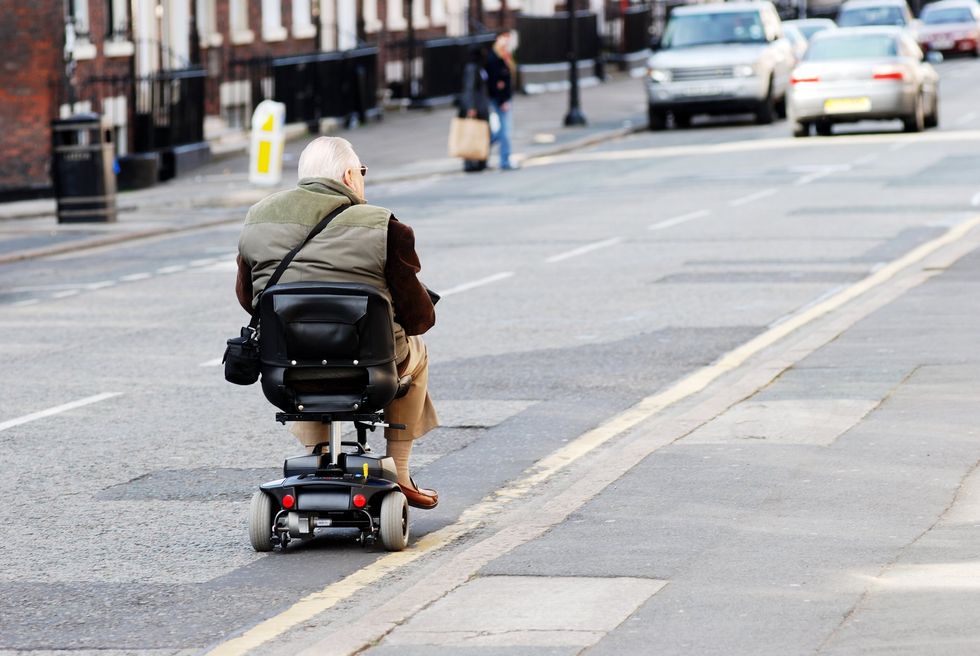 Under DVLA rules, riders of mobility scooters must inform the agency of their licence | GETTY
Lee Cartwright, of Mobility Solutions Direct, said: "A lot of people don't realise there are different types of mobility scooters, so registration just isn't something they think about.
"They're often picked up quite casually, online, through someone they know, or passed on, and there's no clear point where anyone explains what's required."
He warned that if a scooter is being used on the road and hasn't been registered, "then technically it isn't compliant, and that's where people can get caught out".
Class 3 scooters are designed for both pavement and road use, but they must be fitted with lights, indicators, mirrors and a horn to meet safety standards.
LATEST DEVELOPMENTS
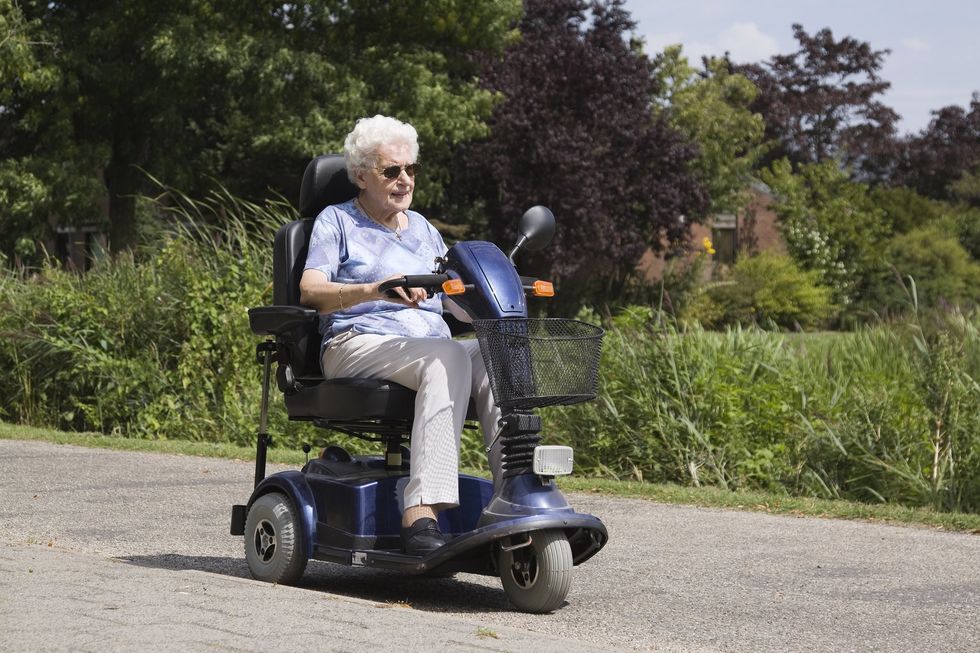 Class 3 mobility scooters are designed to be used on both the pavement and the road | GETTY
On pavements, they are restricted to 4mph, while on roads they can travel at speeds of up to 8mph, while they cannot be used on motorways under any circumstances.
Even though these scooters have road-use capabilities, they are not treated exactly like cars since users do not need a driving licence, although they must be registered with the DVLA.
The DVLA stated: "If you cause an accident while driving a mobility scooter or powered wheelchair that’s not in a class, you can be given the same penalty as if you were driving a car. You can go to prison, get a driving ban or get an unlimited fine."
Mr Cartwright said many people are surprised by this, as Britons tend to see mobility scooters purely as aids for independence rather than vehicles with legal responsibilities.
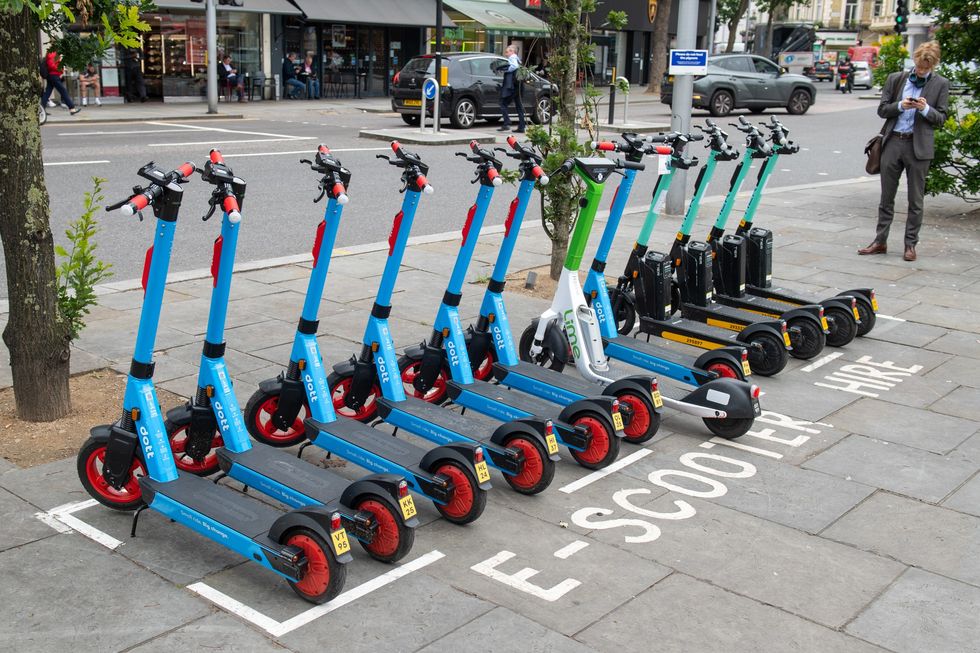 E-scooters can only be used on public roads in trial areas | PA
He added: "Mobility scooters are designed to make life easier, so people don't always expect there to be technical requirements behind the scenes. But when a scooter is capable of being used on the road, there are a few extra things to be aware of."
But the growing popularity of mobility scooters across the UK has led to increasing concern that many users could unknowingly fall foul of the rules. Experts explained that clearer guidance will be needed so people understand their responsibilities before using their scooters in public spaces.
Owners are now being urged to check whether their scooter is Class 2 or Class 3, and if it falls into the latter category, ensure it is properly registered with the DVLA before taking it onto the road.
Riders should also make sure their scooter has all the required safety features, including lights, indicators, mirrors and a horn, and that it is set to the correct speed limits for pavements and roads.
Regular checks of brakes, tyres and battery condition are also important to ensure the scooter remains safe and roadworthy.