







Motorists are being warned of new driving licence rules that could have a serious impact on road users, just months before they are set to be introduced.
Northern Ireland announced in January that it would launch Graduated Driving Licences on October 1, 2026, in a bid to improve road safety.
Graduated Driving Licences are a set of restrictions placed on learner motorists to ensure they are safe on the road after they pass their practical test.
Data from the Department for Infrastructure shows that 164 people were killed or seriously injured in road traffic collisions caused by motorists between the ages of 17 and 23 in 2024.
TRENDING
Stories
Videos
Your Say
While this age group accounts for just 24 per cent of fatal or serious collisions, they make up just eight per cent of licence holders, prompting officials in Northern Ireland to act.
Measures launching in October will include a mandatory six-month learning period, nighttime driving rules for drivers under 24 and a separate restriction for driving with passengers at night.
Northern Ireland's DfI said it would launch a public information campaign about the new scheme, while officials would "liaise" with approved instructors.
Despite this, some driving instructors have claimed that they have not been contacted, despite the new rules being introduced within a matter of months.
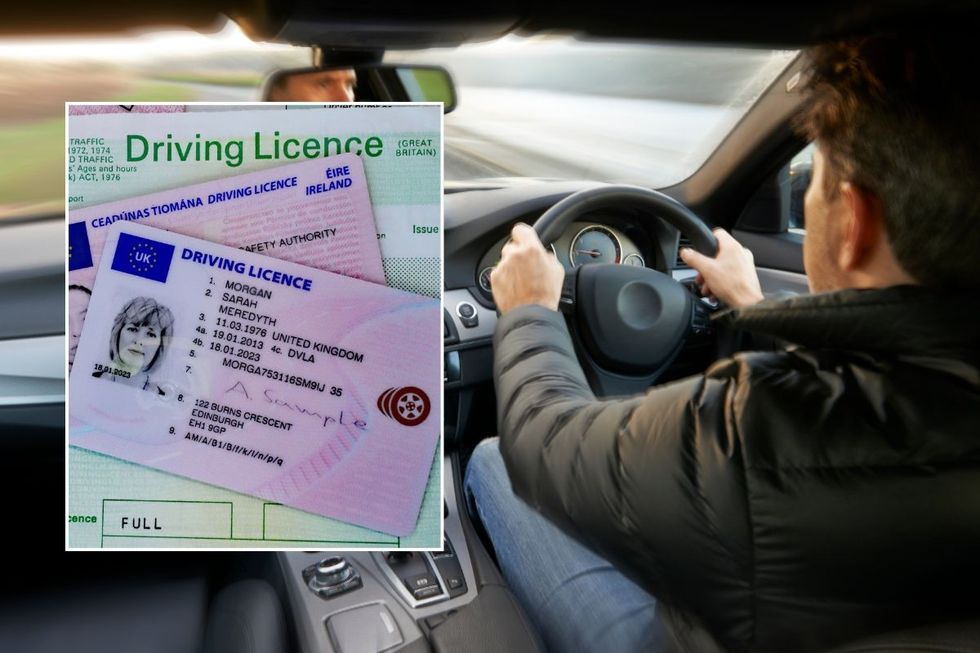
Experts have warned that they have yet to receive information about the 'most significant reform to driver licensing and testing in almost 70 years
| PA/GETTYOne driving instructor from Newtownabbey warned that the motoring industry was "nowhere near ready" to deal with the new changes.
No formal changes to the practical driving test will be launched, although learners will be required to embark on a new "programme of training".
The update will detail how to be a safe driver and must be completed and recorded in a logbook before someone can take a practical test. This will work alongside the minimum six-month learning period.
Instructor Neil McLaren criticised officials in charge of rolling out Graduated Driving Licences as questions remain around how the scheme will work in practice.
LATEST DEVELOPMENTS
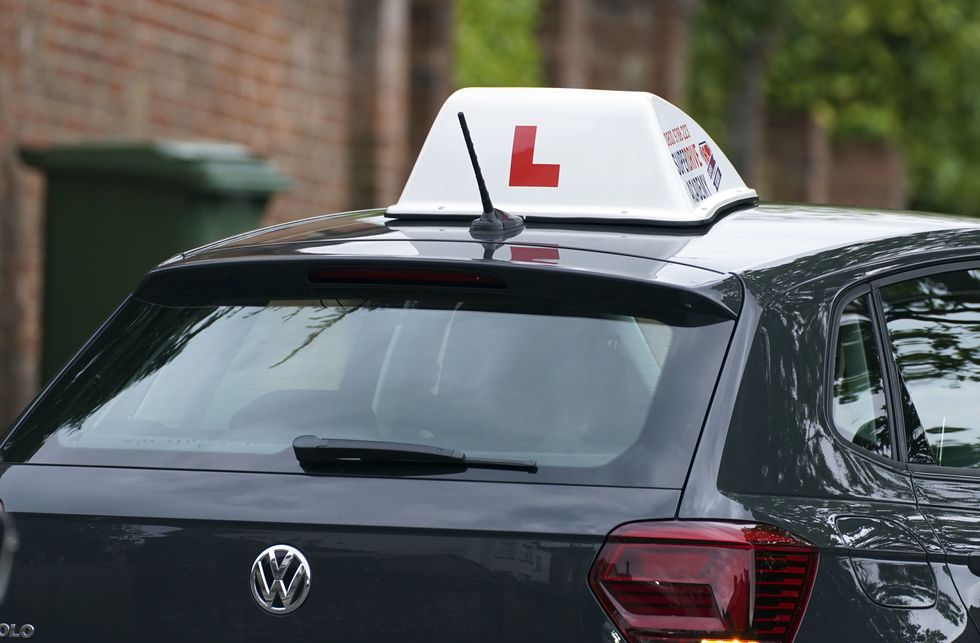
Graduated Driving Licences will be introduced in Northern Ireland from October 1, 2026
| PAHe told the BBC: "We would like to see the apps and what's going to be included - in the 14 sections that we are expected to manage - as of yet we know absolutely nothing of what is going to be contained in this.
"How they are going to be managed? Who is responsible for signing them off? All of this information still has to come to the industry - we would like to know."
Mr McLaren called on the Government to provide clarity on the situation ahead of the October launch and provide instructors with the necessary information to ensure the rollout is successful.
Other instructors have also demanded action ahead of October, suggesting that seminars be introduced to question the finer details of the scheme.
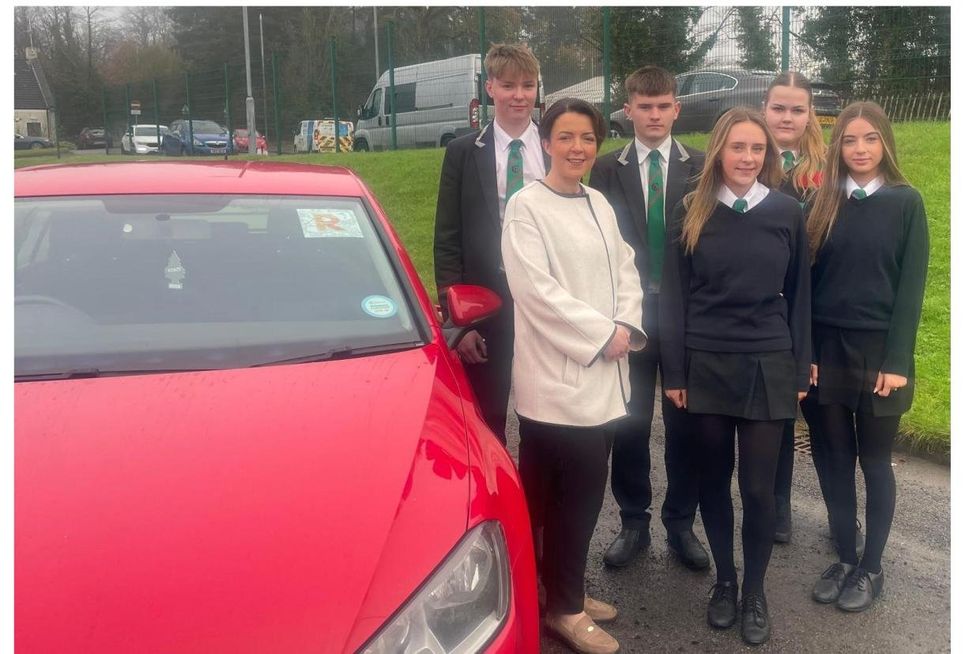
Minister Liz Kimmins alongside students at Erne Integrated College in Enniskillen, who learnt about Graduated Driver Licensing
| DEPARTMENT FOR INFRASTRUCTUREDavid Boyles, from the Northern Ireland Approved Instructors Council, told Stormont's Infrastructure Committee that they had not been given advanced warning before the public announcement in January.
Similarly, Carly Brookfield, CEO of the Driving Instructors Association, questioned how the logbook would work, given the lack of information in the initial details from the Government.
Speaking at the time, Infrastructure Minister Liz Kimmins emphasised that the new rules were the "most significant reform to driver licensing and testing in almost 70 years".
"The fundamental goal of learning to drive and the licensing process should be to create drivers and motorcyclists who are safe, and not just technically competent, by the time they are permitted to drive or ride unsupervised," she added.