









Labour has started examining proposals which would permit electric wheelchairs and mobility scooters to reach speeds of up to 20mph on UK roads.
The Department for Transport launched a public consultation earlier this year looking at how to modernise rules for mobility vehicles.
Advocacy groups have put forward recommendations to more than double the existing 8mph road speed limit while also increasing the maximum weight allowance to approximately 300kg.
Transport minister Simon Lightwood confirmed the Government would assess potential amendments to speed, weight and usage regulations to "better reflect modern technology".
TRENDING
Stories
Videos
Your Say
The consultation, which launched on January 6 and will close on April 22, represents the first formal step following the Government's announcement of a legislative review in July 2025.
Objectives include ensuring disabled people who clinically need specific equipment can legally use it, allowing greater choice in mobility options, protecting perceptions of safety among other road users, and safeguarding actual safety on roads and pavements.
The consultation document acknowledged that legislation dating from several decades ago does not account for the modern mobility devices that disabled people need or want to use.
Nathan Rollinson, a 35-year-old with motor neurone disease, told The Times that he had been pulled over by the police who said the vehicle was travelling "too fast", which he described as the "weirdest thing ever".
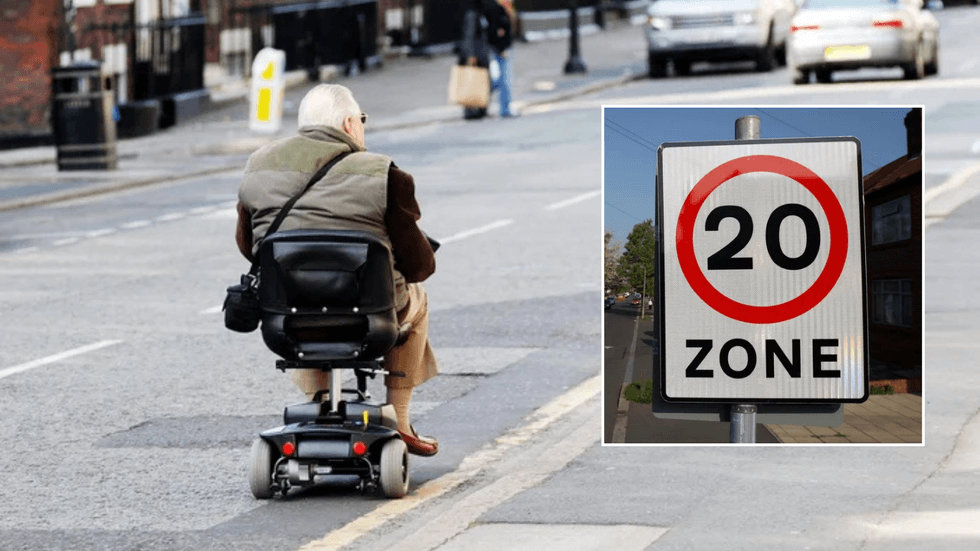
Under the proposals, mobility scooter riders could face higher speed limits
|GETTY/PA
Mr Rollinson owns a wheelchair adaptation capable of 14mph, but cannot lawfully operate it on roads without navigating a complicated DVLA registration process.
The existing speed restrictions have left him dependent on public transport systems that frequently fail him, with Mr Rollinson reporting he has become trapped in station lifts dozens of times during his commute.
In another case, an army veteran with a degenerative spinal condition faces an equally challenging situation with his raised 220kg powerchair, which positions him at eye level with his partner and others, as it exceeds legal weight limits for pavements.
He said: "By the letter of the law, if I need to pop to the shops, I need to go on an A4 trunk road with 44-tonne HGVs behind me."
LATEST DEVELOPMENTS
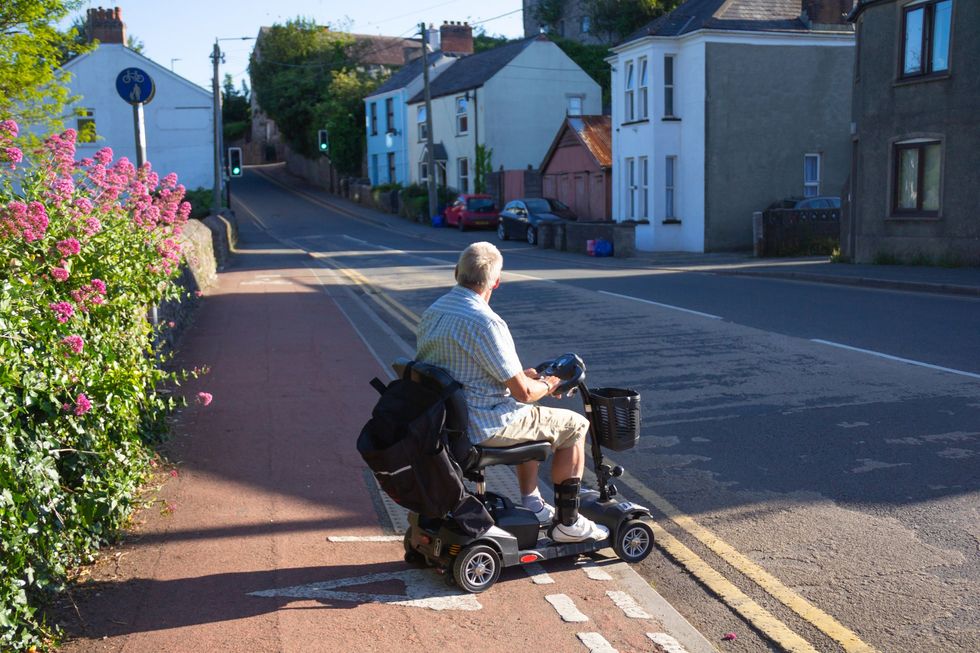 The Department for Transport has launched a new consultation on mobility scooter rules in the UK | GETTY
The Wheelchair Alliance has characterised current weight restrictions as placing many disabled people in an "impossible legal position".
The regulatory framework governing mobility devices dates back to the Chronically Sick and Disabled Persons Act 1970 and subsequent 1988 regulations, which critics pointed out still employ the term "invalid carriages" to describe wheelchairs and scooters.
Under existing rules, powered wheelchairs and mobility scooters are restricted to 4mph on pavements and 8mph on roads, whilst being largely prohibited from using cycle lanes.
By contrast, rental e-scooter trials already permit users to travel up to 15.5mph, including within cycle lanes.
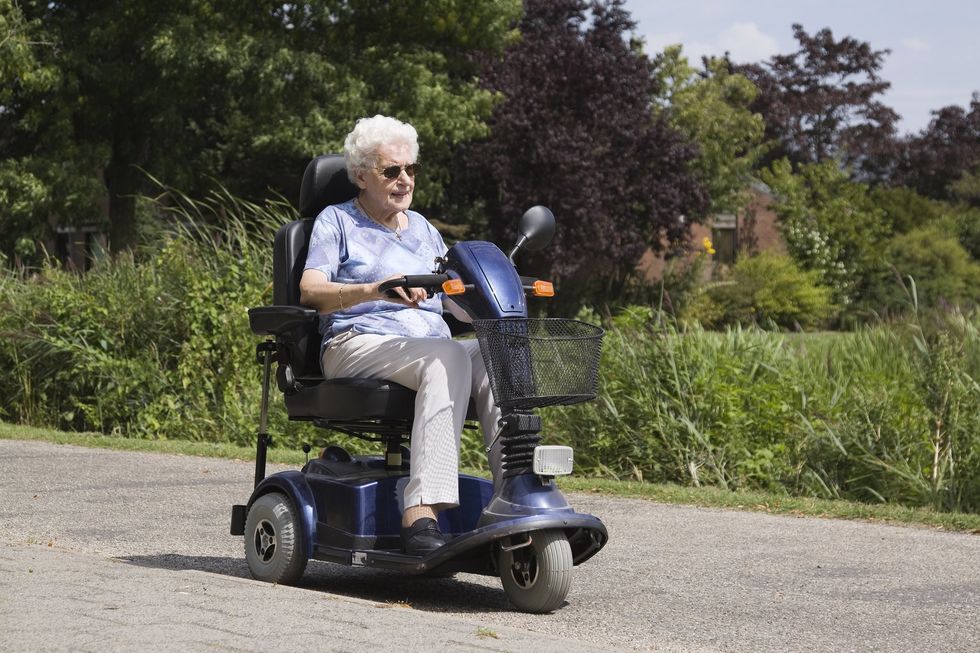 Class 3 mobility scooters are designed to be used on both the pavement and the road | GETTY
Under UK rules, devices exceeding these specifications are classified as a motor vehicle, requiring users to comply with standard road traffic legislation, including driving licence and insurance requirements.
The Government is also proposing to replace the outdated "invalid carriage" terminology with "mobility device" in law.
Mr Lightwood said: "There is now a range of mobility options available to disabled people and people with reduced mobility and currently, through my engagement with disabled people, it is clear the legislation in its current form does not account for the modern mobility devices people need or want to use.
"This Government is committed to championing the rights of disabled people and those most vulnerable so that their views and voices will be at the heart of all we do."