






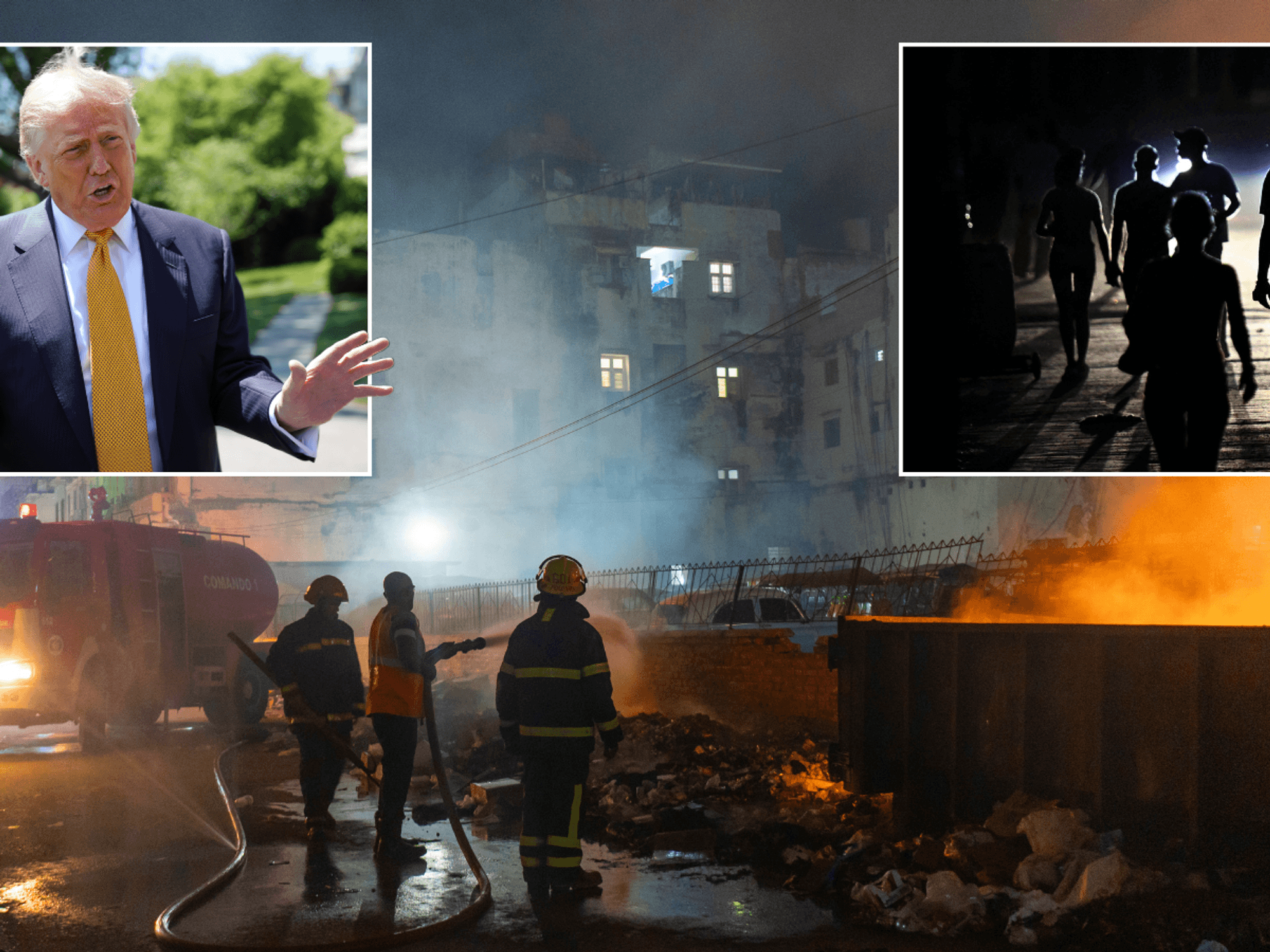



Drivers who rushed to fill up their cars after the start of the Iran conflict last month kick-started a rise in fuel spending across the UK.
New figures from Barclays revealed fuel purchases jumped by 10.9 per cent in the week after fighting across the Middle East began.
The conflict, involving the US and Israel against Iran, started on February 28. Almost immediately, drivers became worried about possible fuel shortages and rising prices.
These fears were not unfounded, as global oil markets reacted quickly. Crude oil prices surged past $100 (£75) per barrel as tensions escalated.
This had a direct impact on petrol prices in the UK. The cost of unleaded petrol rose above 150p per litre for the first time in nearly two years. According to RAC data, there has been an increase of more than 17p per litre since the conflict began.
Faced with uncertainty, many motorists rushed to petrol stations to fill their tanks, worried prices might rise further or supplies could run low.
While Barclays said this initial surge in buying soon settled down, drivers still appeared to be cautious and were topping up their fuel more often than usual.
But at the same time, supermarkets have reported some local problems. Asda's chief executive Allan Leighton admitted there had been "temporary shortages" at certain petrol stations, although he said this was not a nationwide issue.
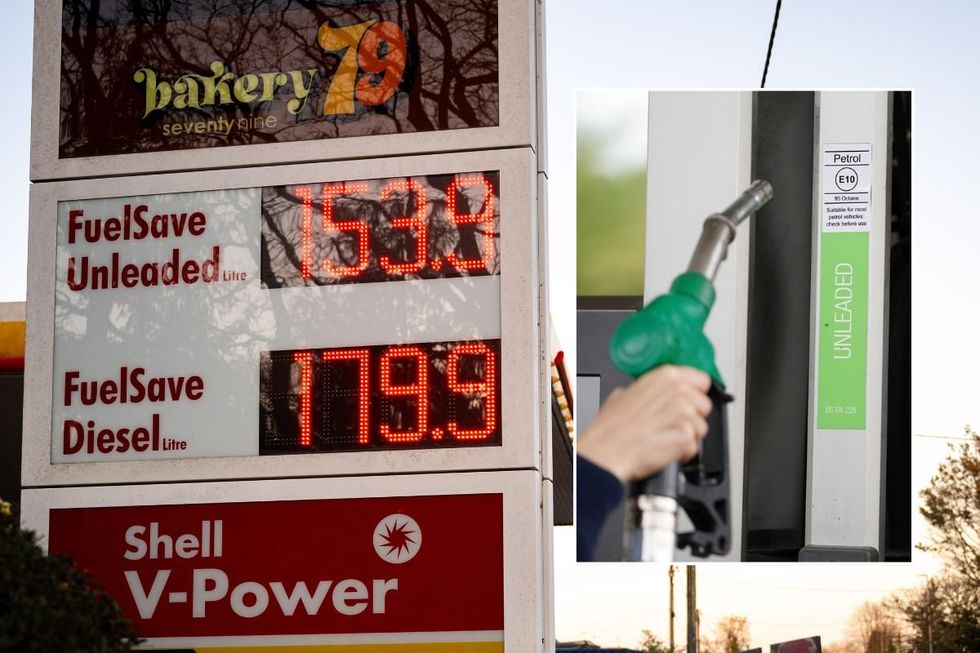
Drivers are being warned that petrol and diesel prices will continue to rise due to the Middle East conflict
| GETTY/PAHowever, he stressed that this was not a nationwide problem and that most areas were unaffected. Industry groups have tried to calm public fears.
Fuel Industry UK said that fuel supplies across the country remain "stable," despite the increase in demand and ongoing concerns. They insist there is no widespread shortage of petrol or diesel.
But the combination of rising prices and uncertainty has made many drivers uneasy. People were found to be more careful with their spending, especially when it comes to essentials like fuel.
The effects of the conflict have also been felt beyond petrol stations. Spending on holidays and travel dropped by 7.9 per cent in the week starting March 14, according to Barclays. Many people are choosing to delay trips, adopting a cautious "wait and see" approach.
LATEST DEVELOPMENTS
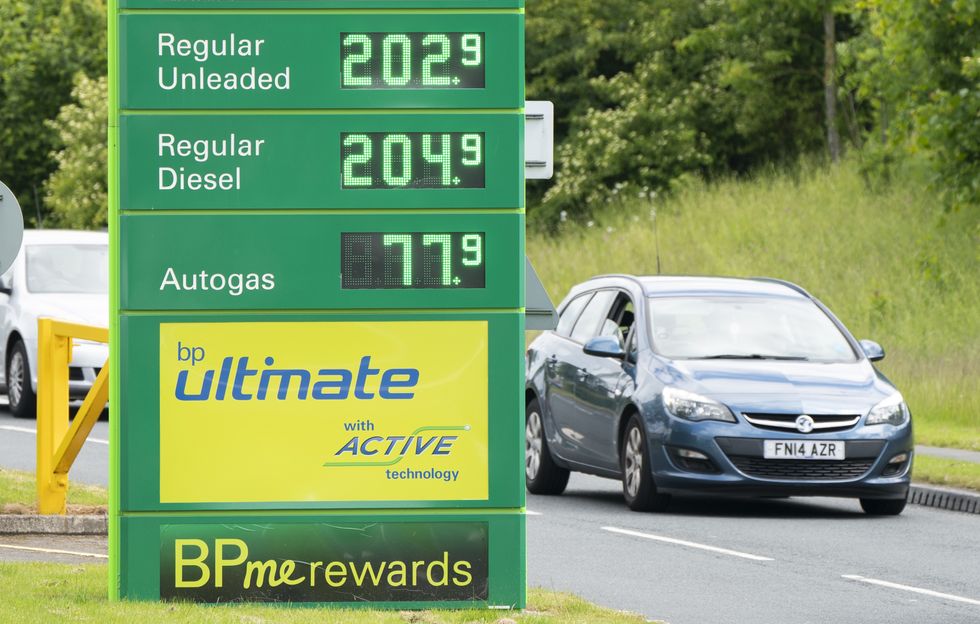 Petrol and diesel prices peaked across the UK in the aftermath of the Russian invasion of Ukraine in 2022 | PA
Vim Maru, chief executive of Barclays UK, said: "The conflict in the Middle East and concerns about rising costs are understandably leading people to be more cautious, even as many continue with their day-to-day spending."
He added: "If you're feeling uncertain about your finances, whether that's spending, your mortgage, savings, debts or investments, being proactive with your finances can help. Seeking advice and making use of money management tools will provide reassurance and support."
Despite these concerns, the Government has urged motorists not to panic. Education Secretary Bridget Phillipson said drivers should continue as normal.
"They've been absolutely clear that if you go to the pump, just fill up as normal, continue as you are," she said.
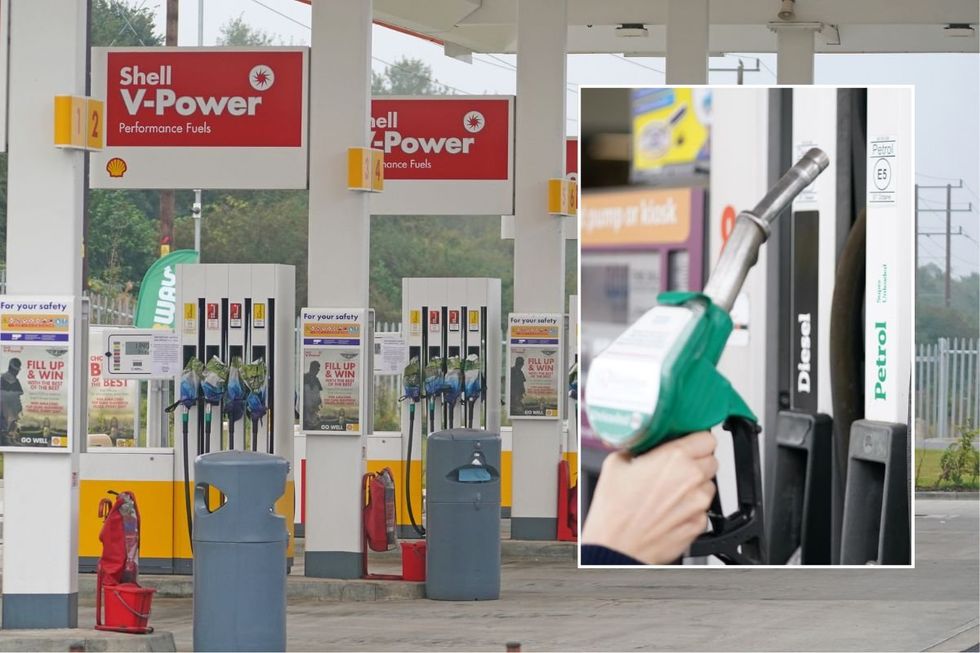
Drivers have seen petrol and diesel prices skyrocket in recent weeks across the UK
| PAShe also reassured the public supplies remain secure, adding: "We've got the security of what is coming in, and production isn't affected. We will always plan for what we need to do. We are well prepared."
However, not everyone agrees that there is no risk. Energy economist Nick Butler warned shortages could still happen because of the blockade in the Strait of Hormuz. He said the Government may need to step in rather than leaving the situation to market forces.
Some politicians have already begun calling for action. The Conservatives, Reform UK and the Liberal Democrats have urged the Government to cancel planned fuel duty increases due in September.
Conservative leader Kemi Badenoch has also argued for more domestic energy production. She said the UK should restart drilling in the North Sea to boost supply.
"What we need is cheap, abundant energy; it should be clean," she said. "And that means doing everything we can - nuclear, renewables and oil and gas."
Our Standards: The GB News Editorial Charter