








Experts have issued a warning to motorists who modify their vehicles using over-the-air software updates, amid fears that it could worsen performance.
Most modern vehicles can now perform a software update without needing to visit their local dealership if anything is wrong with their vehicle.
With a growing number of electric cars on the road and a larger push for technologically advanced vehicles, over-the-air software updates are becoming more common.
However, experts have warned that the updates could "reduce the capabilities", which can cause particular issues for company cars and vans.
TRENDING
Stories
Videos
Your Say
At a recent meeting of the Association of Fleet Professionals' (AFP) Megafleets committee, questions were raised around the legality and ethics of downgrading vehicles.
The meeting, which involves some of the country's largest car and van operators, discussed how fleets could avoid impacting their vehicles.
Paul Hollick, chair of the AFP, said: "There are, for example, reported cases where OTA updates have slowed the charging speeds of electric vehicles, sometimes quite substantially, and this obviously has a direct impact on their operational potential.
"If a fleet manager has allocated 30 minutes to charge a van midway through a carefully planned route and it suddenly takes 45 minutes instead, that has cost and service implications."
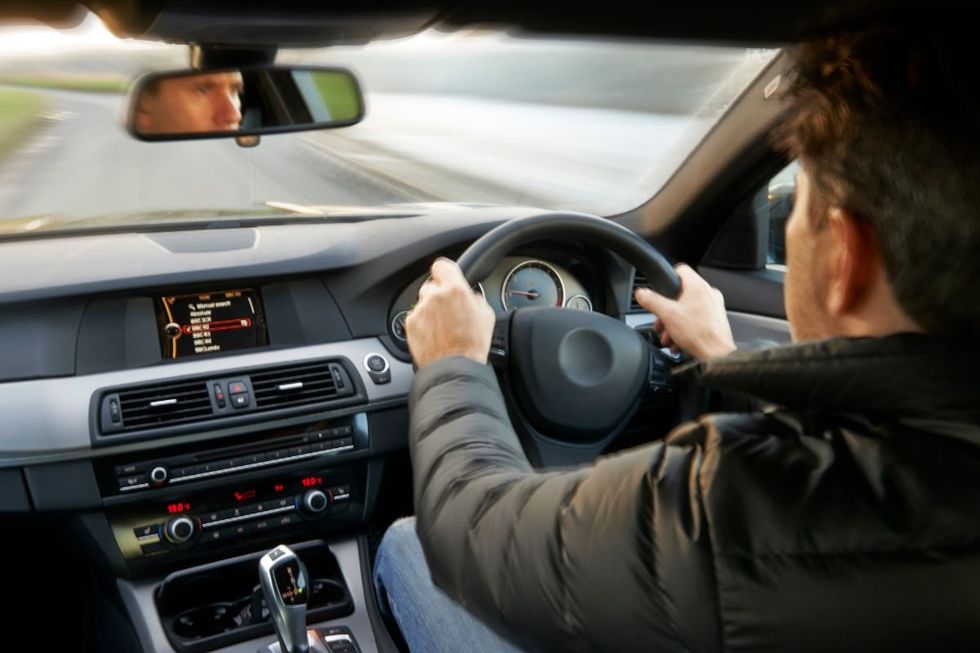
Experts have warned that there could be hidden issues with over-the-air software updates
|GETTY
He added that it "doesn't seem right" that manufacturers could make changes to vehicles to improve battery life or safety when those changes could have a negative impact at the same time.
The expert warned that these over-the-air software updates were "reducing the capabilities of a vehicle long after the fleet has decided to buy or lease it".
Over-the-air updates have been heralded for removing the need for drivers to take their vehicles to a garage every time they need to be updated.
They can also be used to make minor upgrades to the vehicles, including the infotainment system, as well as fixing any bugs that may be present.
LATEST DEVELOPMENTS
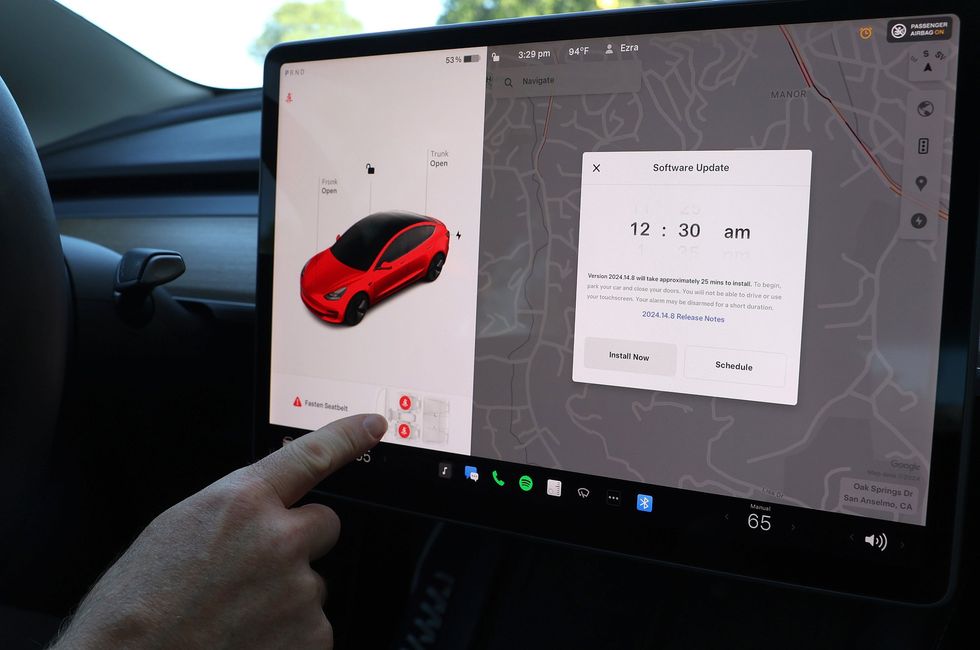
Drivers can receive over-the-air software updates for minor bug fixes
|GETTY
The AFP meeting also discussed whether fleets may feel the need to consider how far they could go with update modifications.
Mr Hollick continued, saying: "We are in a situation where car and van makers are using OTA technology to downgrade the capabilities of vehicles to a noticeable degree - usually without warning, consultation or explanation. That is concerning and needs to change.
"The possible solutions to this are not clear but at the very least, we'd like to see limits placed on the number and extent of changes that are made, and much more information provided about what is happening to fleet vehicles and why."
One of the key points raised by the Megafleets meeting was the "degree of control" provided by vehicle apps and how there was no tool allowing fleet managers to decide whether updates should be made.
Fleet managers have highlighted particular issues with over-the-air software updates
| GETTYExperts noted that it was "often difficult or impossible" for drivers and managers to remove rights from apps once they have been approved.
If a fleet is buying a vehicle, the apps will likely already have access to the car's data, even if they do not want to accept the terms.
Mr Hollick said: "Also, manufacturers often carry out updates to apps that alter their capabilities in a similar fashion to OTA software changes, and do not consult with the fleets who are their largest users.
"Our members feel, at the very least, they need to be kept in the loop when changes are made and given the opportunity to make any concerns known."