










Electric car sales continued to soar across Europe last month as almost a quarter of a million new EVs were sold and motorists turned their backs on expensive petrol and diesel cars.
New data shows that 242,265 new cars were registered in March, an impressive year-on-year increase of 51.3 per cent compared to 12 months ago.
Europe's five largest countries (Germany, France, Spain, Italy and Poland) all saw growth of more than 40 per cent in battery electric vehicle sales.
Across 14 of the largest European Union markets, electric vehicles made up 22 per cent of total car sales last month.
TRENDING
Stories
Videos
Your Say
When adjusted to include all European Union member states, this falls marginally to 21.2 per cent as some nations are playing catch-up in the transition to electric cars.
Norway saw the largest market share of electric vehicle sales with a staggering 98.4 per cent, with 17,406 new models registered in the last month.
Other Nordic nations saw electric cars make up a large market share, including Denmark (76.6 per cent), Finland (49.6 per cent) and Sweden (39.6 per cent).
Germany saw the highest number of electric vehicle registrations in March with 70,427 after it launched a nationwide incentive programme.
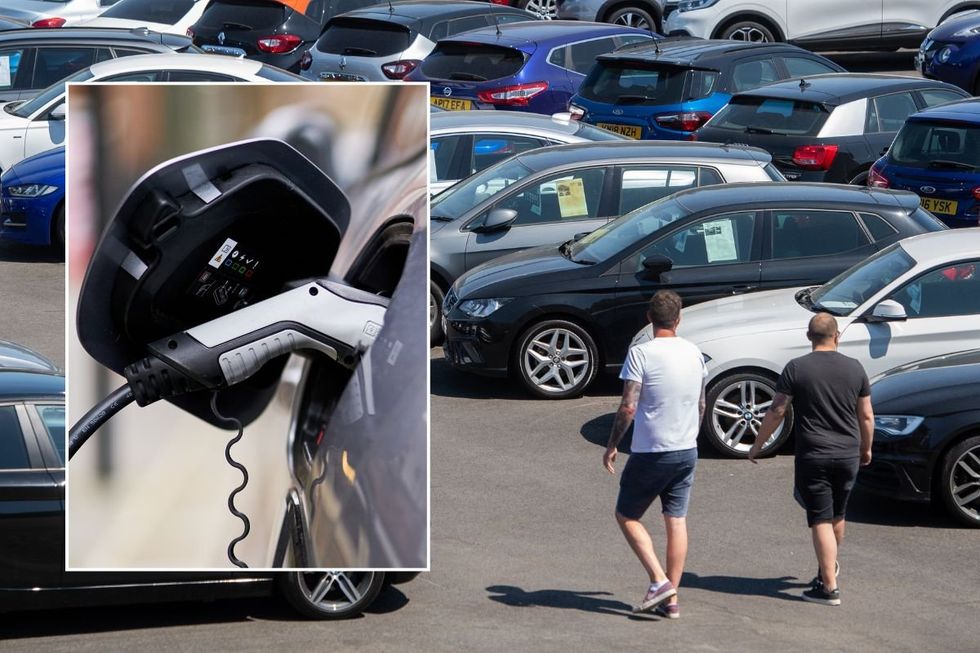
Electric cars made up almost one-quarter of total sales across Europe last month
|GETTY
The €3billion (£2.6billion) scheme will see motorists receive €1,500 (£1,305) for a plug-in hybrid or a range-extended electric vehicle, or €3,000 (£2,611) for EVs.
Households earning less than €45,000 (£39,169) with two or more children can save €6,000 (£5,222), while those without children can obtain a grant worth €5,000 (£4,351).
Chris Heron, Secretary-General of E-Mobility Europe, said: "March's surge in electric car sales is one of Europe's biggest recent gains in energy security, in a month when oil dependence has become a real vulnerability.
"Across the EU’s major markets, EV sales are growing at rates above 40 per cent, marking a clear step change, not statistical noise.
LATEST DEVELOPMENTS
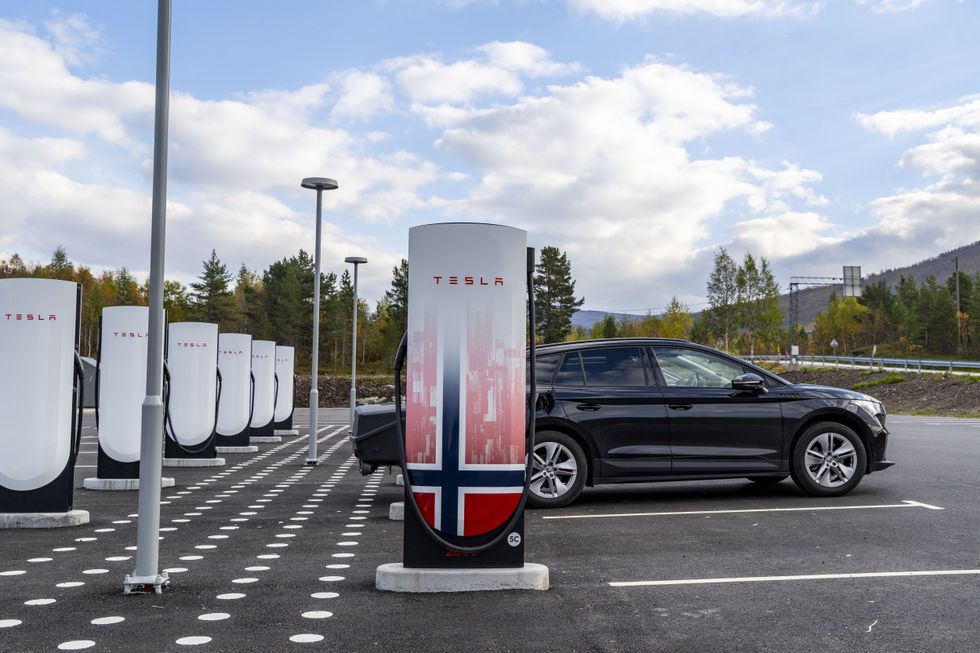 Norway has one of the highest adoption rates of EVs in the world | GETTY
"That translates into half a million electric cars registered so far this year, cutting roughly two million barrels of oil demand annually."
In contrast, the UK registered 86,120 new electric vehicles last month, representing 22.4 per cent of the total market share and a jump of 24.2 per cent year-on-year.
Car sales in the UK always see a jump in March and September as new number plates are released, incentivising drivers to get their hands on a new vehicle.
More than 85,000 drivers have already made use of the Government's Electric Car Grant, which allows them to save up to £3,750 off the list price of an EV worth £37,500.
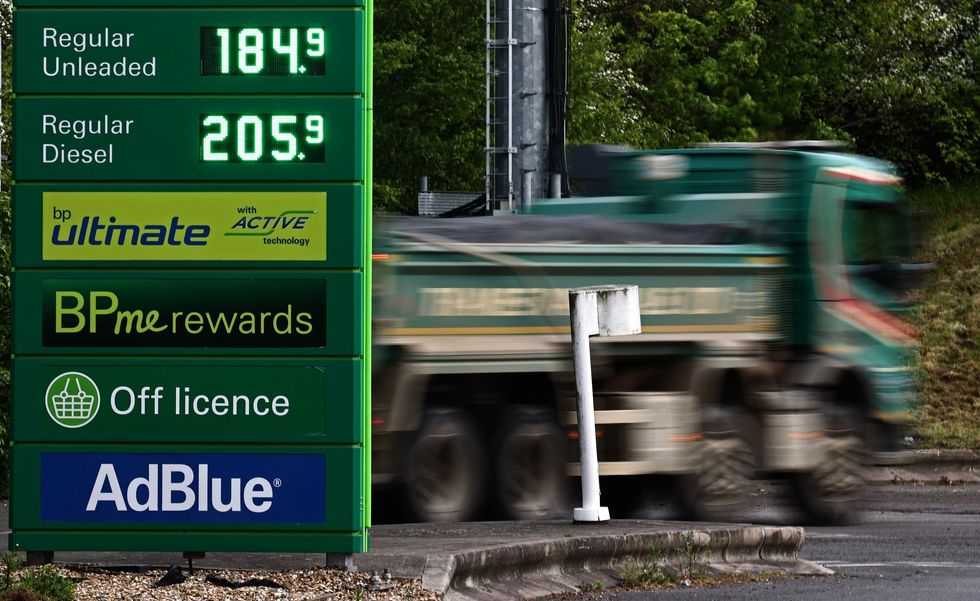
Drivers have been put off from investing in petrol and diesel vehicles in place of electric cars
|GETTY
Some experts have noted that these totals will continue to rise over the coming months as motorists make use of incentives and the fuel price crisis continues to take effect.
Ben Nelmes, CEO of New AutoMotive, highlighted how every new electric car registered across Europe lessens the reliance on imported oil.
He noted that this would benefit the entire car market by shoring up energy security, which has quickly become one of the most important talking points across the political spectrum.
"The pace of change we're now seeing across major European markets - including countries like Italy and Poland that were slower to start - suggests the transition has entered a new phase," Mr Nelmes said.