










Motorists are being urged to familiarise themselves with new AI road cameras rolling out across the UK amid concerns around the behaviour of drivers behind the wheel.
Police forces around the UK have adopted new technology using artificial intelligence, some of which can see inside vehicles and track the movements of drivers.
A handful of police forces use the AI cameras to crack down on drivers not wearing their seatbelts and using mobile devices while operating the vehicle.
In a recent campaign, 2,200 drivers were prosecuted for mobile phone and seatbelt offences during a four-week trial in Sussex.
Similarly, recent data found that AI road cameras had contributed to a drop in the number of people killed or seriously injured across Devon and Cornwall in 2025.
Vision Zero South West said AI cameras had been instrumental in reducing accidents, with a 50 per cent drop in seatbelt detections and a 33 per cent fall in cases of mobile phone use in August 2024.
The cameras were used on the A38 at Landrake during 2023, 2024 and 2025, with Vision Zero noting that there had been a "prolonged and significant reduction" in seatbelt and phone offences.
Peter Golding, CEO of FleetCheck, said: "Safety camera technology has improved over the years, but this new generation of technology does appear to be a step forward, especially when it comes to not just speeding but harder-to-detect offences such as mobile phone use.

Experts have issued a warning to drivers about AI road cameras
| VISION ZERO SOUTH WEST"We welcome any development that improves road safety and believe that all fleets should do the same, but it is sensible to ensure that drivers are aware of the much higher risk that now exists of being caught."
He added that fleet drivers should be especially cautious when behind the wheel, as a "quick" check of their phone could land them in deep trouble.
Mr Golding acknowledged that it was always a "huge risk" in terms of overall safety, but that the AI road cameras make it even more likely to face consequences.
If caught using their phone at the wheel, they can face a £200 fine and six penalty points on their driving licence.
LATEST DEVELOPMENTS
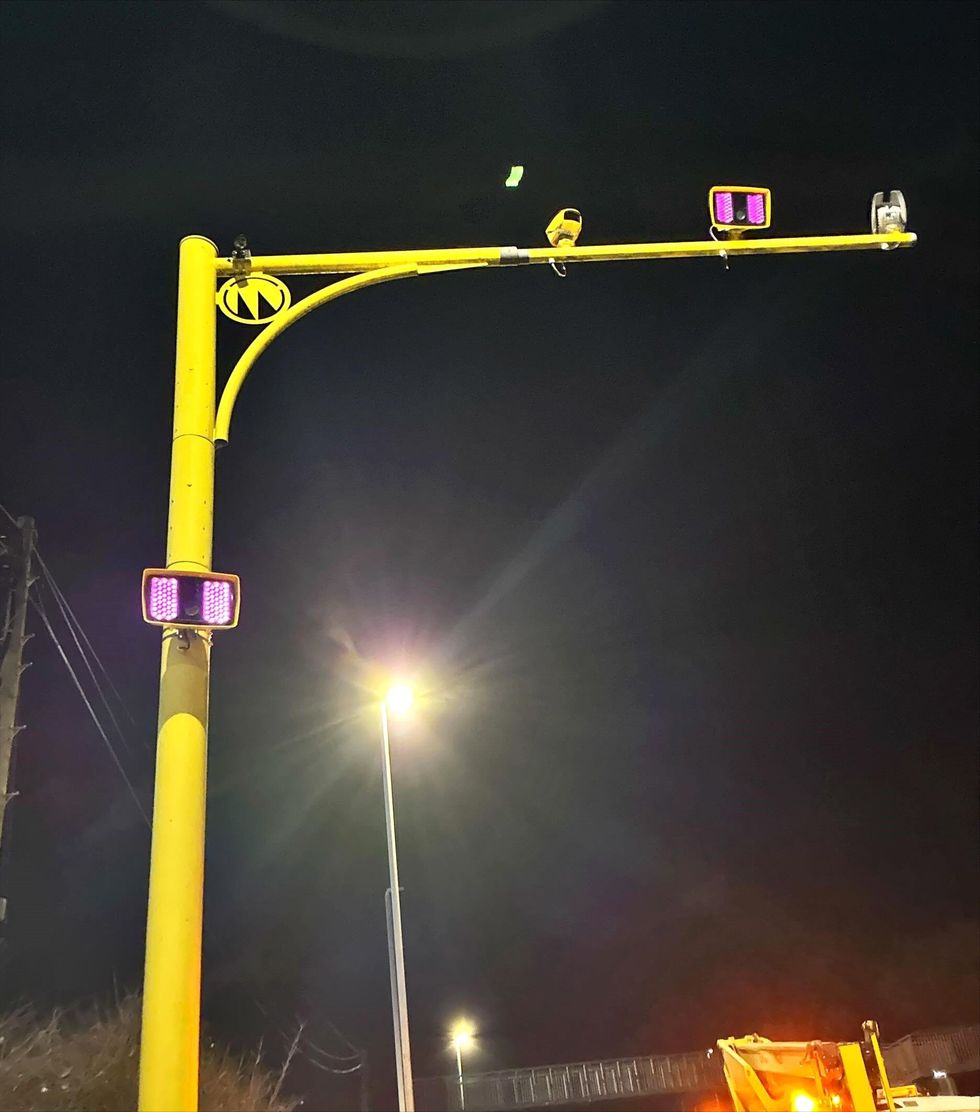
AI road cameras have been used more commonly across the UK in recent years
| VISION ZERO SOUTH WESTThe expert suggested that the rise of AI cameras was likely to add to an increasing area of a fleet manager's workload.
Almost three million driving offences were committed in the UK in 2024, a concerning nine per cent jump compared to the previous year.
Mr Golding added: "The best way to contain this problem is at source, with a low degree of tolerance for company car and van drivers who are caught.
"Ensuring they are aware of the effectiveness of the latest cameras, as well as how dimly you, as their employer, view issues such as mobile phone use behind the wheel, is not only the right move from an ethical and risk management point of view but can help to reduce a simply unnecessary managerial task."
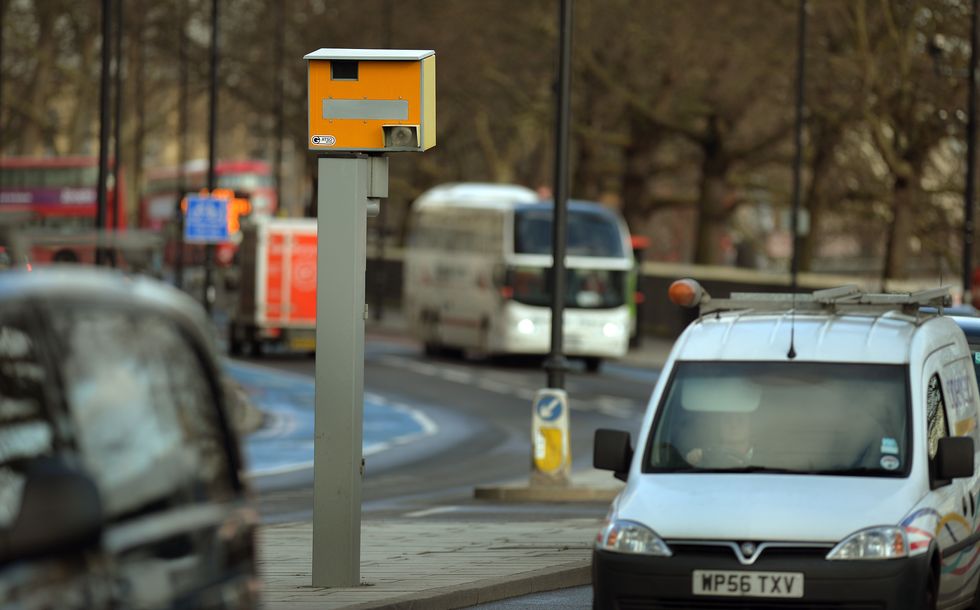
Transport for London has confirmed that it will launch new high-tech speed cameras across the capital
| PAThe spread of AI cameras is expected to be rolled out across the country in the near future as trial schemes prove effective in reducing road casualties, especially with new technologies constantly being developed.
Transport for London confirmed earlier this year that it would trial new radar-based speed cameras, which do not visibly flash, in addition to not needing road markings.
It explained that they can provide coverage of up to five lanes of bi-directional traffic flow from a single camera, compared to current spot-cameras that can only monitor three lanes of traffic.
Data shows that speeding or driving too fast for the conditions accounted for around half of the fatal collisions in the capital in 2024.